Cultic Studies Journal, Vol. 9, No. 2, 1992, Page 71
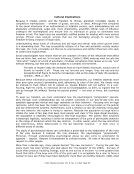
McMahon, R. C., Davidson, R. S., &Flynn, P. M. (1986). Psychological correlates and
treatment outcomes for high and low social functioning alcoholics. The International
Journal of the Addictions, 2](7), 819-835.
McMahon, R. C., Flynn, P. M., &Davidson, R. S. (1985). Stability of the personality and
symptom scales of the Milton Clinical Multiaxial Inventory. Journal of Personality
Assessment, 49(3), 231-234.
Milton, T. (1983). The Millon Clinical Multiaxial Inventory Manual (3rd edition). Minneapolis:
National Computer Systems.
Milton, T. (1987). Manual for the MCMI-II (second edition). Minneapolis, MN: National
Computer Systems.
Ofshe, R., &Singer, M. T. (1986). Attacks on peripheral versus central elements of self and
the impact of thought reforming techniques. Cultic Studies Journal, 3(l), 3-24.
Overholser, J. C. (1990). Retest reliability of the Millon Clinical Multiaxial Inventory. Journal
of Personality Assessment, 55, 202-208.
Piersma, H. L. (1986). The stability of the Millon Clinical Multiaxial Inventory for psychiatric
inpatients. Journal of Personality Assessment, 50(2), 193-197.
Piotrowski, C., &Keller, J. W. (1989). Psychological testing in outpatient mental health
facilities: A national study. Professional Psychology. Research and Practice, 20, 423-
425.
Piotrowksi, C., &Lubin, B. (1989). Assessment practices of Division 38 practitioners. Health
Psychologist, 11, 1.
Piotrowski, C., &Lubin, B. (1990). Assessment practices of health psychologists: Survey of
APA Division 38 clinicians. Professional ,Psychology. Research and Practice, 21, 99-
106.
Rickels, K., Lipman, R. S., Park, L. C., Covi, L., Uhlenhuth, E. H., &Mock, J. E. (1971). Drug
doctor warmth and clinic setting in the symptomatic response to minor tranquilizers.
Psychopharmacologia, Berl. 20: 128-152.
Rickels, K., Lipman, Garcia, C. R., &Fisher, E. (1972). Evaluating clinical improvement in
anxious outpatients. A.M.S. Psychiatry, 128, 119-123.
Ross, M.(1983). Clinical profiles of Hare Krishna devotees. American Journal of Psychiatry,
140, 416-420.
Schwartz, L. L. (1985). Leaving the cults. Update: A Quarterly Journal of New Religious
Movements, 9(4), 3-12.
Simonsen, E., &Mortensen, E. L. (1990). Difficulties in translation of personality scales.
Journal of Personality Disorders, 4, 290-296.
Singer, M. T. (1978). Therapy with ex-cult members. Journal of the National Association of
Private Psychiatric Hospitals, 9, 15-18.
Singer, M. T. (1979, January). Coming out of the cults. Psychology Today, 12, 72-82.
Singer, M. T. (1987). Group psychodynamics. In R. Berkow (Ed.), The Merck Manual of
diagnosis and therapy (15th ed.) (pp. 1467-1471). Rahway, NJ: Merck.
Singer, M. T., &Ofshe, R. (1990). Thought reform programs and the production of
psychiatric casualties. Psychiatric Annals, 20, 188-193.
Sirkin, M., &Grellong, B. A. (1988). Cult vs. non-cult Jewish families: Factors influencing
conversion. Cultic Studies Journal, 5, 2-23.
Skonovd, N. (1983). Leaving the cultic religious milieu. In D. G. Bromley &J. T. Richardson
(Eds.), The brainwashing/deprogramming controversy. Sociological, psychological,
legal and historical perspectives (pp. 106-121). Lewiston, NY: Edwin Mellen Press.
Solomon, T. (1981). Integrating the “Moonie” experience: A survey of ex-members of the
Unification Church. In T. Robbins &D. Anthony (Eds.), In god we trust: New patterns
of religious pluralism in America (pp. 275-295). New Brunswick, NJ: Transaction.
Spero, M. (1982). Psychotherapeutic procedure with religious cult devotees. The Journal of
Nervous and Mental Disease, 170, 332-344.
SPSS, Inc. Staff. (1990). SPSS reference guide.:SPSS, Inc.
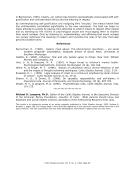
McMahon, R. C., Davidson, R. S., &Flynn, P. M. (1986). Psychological correlates and
treatment outcomes for high and low social functioning alcoholics. The International
Journal of the Addictions, 2](7), 819-835.
McMahon, R. C., Flynn, P. M., &Davidson, R. S. (1985). Stability of the personality and
symptom scales of the Milton Clinical Multiaxial Inventory. Journal of Personality
Assessment, 49(3), 231-234.
Milton, T. (1983). The Millon Clinical Multiaxial Inventory Manual (3rd edition). Minneapolis:
National Computer Systems.
Milton, T. (1987). Manual for the MCMI-II (second edition). Minneapolis, MN: National
Computer Systems.
Ofshe, R., &Singer, M. T. (1986). Attacks on peripheral versus central elements of self and
the impact of thought reforming techniques. Cultic Studies Journal, 3(l), 3-24.
Overholser, J. C. (1990). Retest reliability of the Millon Clinical Multiaxial Inventory. Journal
of Personality Assessment, 55, 202-208.
Piersma, H. L. (1986). The stability of the Millon Clinical Multiaxial Inventory for psychiatric
inpatients. Journal of Personality Assessment, 50(2), 193-197.
Piotrowski, C., &Keller, J. W. (1989). Psychological testing in outpatient mental health
facilities: A national study. Professional Psychology. Research and Practice, 20, 423-
425.
Piotrowksi, C., &Lubin, B. (1989). Assessment practices of Division 38 practitioners. Health
Psychologist, 11, 1.
Piotrowski, C., &Lubin, B. (1990). Assessment practices of health psychologists: Survey of
APA Division 38 clinicians. Professional ,Psychology. Research and Practice, 21, 99-
106.
Rickels, K., Lipman, R. S., Park, L. C., Covi, L., Uhlenhuth, E. H., &Mock, J. E. (1971). Drug
doctor warmth and clinic setting in the symptomatic response to minor tranquilizers.
Psychopharmacologia, Berl. 20: 128-152.
Rickels, K., Lipman, Garcia, C. R., &Fisher, E. (1972). Evaluating clinical improvement in
anxious outpatients. A.M.S. Psychiatry, 128, 119-123.
Ross, M.(1983). Clinical profiles of Hare Krishna devotees. American Journal of Psychiatry,
140, 416-420.
Schwartz, L. L. (1985). Leaving the cults. Update: A Quarterly Journal of New Religious
Movements, 9(4), 3-12.
Simonsen, E., &Mortensen, E. L. (1990). Difficulties in translation of personality scales.
Journal of Personality Disorders, 4, 290-296.
Singer, M. T. (1978). Therapy with ex-cult members. Journal of the National Association of
Private Psychiatric Hospitals, 9, 15-18.
Singer, M. T. (1979, January). Coming out of the cults. Psychology Today, 12, 72-82.
Singer, M. T. (1987). Group psychodynamics. In R. Berkow (Ed.), The Merck Manual of
diagnosis and therapy (15th ed.) (pp. 1467-1471). Rahway, NJ: Merck.
Singer, M. T., &Ofshe, R. (1990). Thought reform programs and the production of
psychiatric casualties. Psychiatric Annals, 20, 188-193.
Sirkin, M., &Grellong, B. A. (1988). Cult vs. non-cult Jewish families: Factors influencing
conversion. Cultic Studies Journal, 5, 2-23.
Skonovd, N. (1983). Leaving the cultic religious milieu. In D. G. Bromley &J. T. Richardson
(Eds.), The brainwashing/deprogramming controversy. Sociological, psychological,
legal and historical perspectives (pp. 106-121). Lewiston, NY: Edwin Mellen Press.
Solomon, T. (1981). Integrating the “Moonie” experience: A survey of ex-members of the
Unification Church. In T. Robbins &D. Anthony (Eds.), In god we trust: New patterns
of religious pluralism in America (pp. 275-295). New Brunswick, NJ: Transaction.
Spero, M. (1982). Psychotherapeutic procedure with religious cult devotees. The Journal of
Nervous and Mental Disease, 170, 332-344.
SPSS, Inc. Staff. (1990). SPSS reference guide.:SPSS, Inc.