Cultic Studies Journal, Vol. 9, No. 2, 1992, Page 17
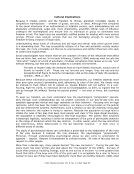
Cults, Coercion, and Contumely
Margaret Thaler Singer, Ph.D.
University of California, Berkeley
Marsha Emmer Addis
Jonsson Comprehensive Cancer Center
University of California, Los Angeles
Abstract
This article, originally written as part of a festschrift in honor of Dr. Louis Jolyon West
for his contributions in a wide area of psychiatry, shows how West‟s interest in cults
evolved naturally out of three lifelong pursuits--his studies of the physiology of
emotions, his studies of how human interactions impact on physiological reactions
and lead toward health or illness, and his sense of social responsibility as a physician.
West‟s intellectual foci serve here as a framework for addressing the definition of
exploitative cults and the scientific basis for understanding cults‟ thought-reform
techniques as a coordinated program of coercive influence and behavior control. The
article also addresses 14 cult-related myths that have been promoted and perpetuat-
ed by cult apologists. Today, with the continuing growth of the cult phenomenon and
with such tragedies as Jonestown and Waco behind us, we can perhaps see more
clearly why cults are a public health concern.
Rather than focusing on one particular biological, social, or psychological aspect of Louis
Jolyon West‟s professional career so far, we synthesize several of his intellectual foci, as he
did, to show the logical path that drew his interest to the challenging, and controversial, world
of modern-day totalistic groups (e.g., cults). We have chosen that background as the
framework around which we deal with the systematic manipulation of psychological and social
influence procedures variously known as thought reform, coercive persuasion, and
brainwashing.
West formulates his opinions within the domain in which he was trained--that of a
physician-psychiatrist. From that vantage point, he never loses sight of the verity that all life
is a living, interacting process. Thus, his psychosociopolitical observations are those of a
physician who thinks in terms related to health and illness, pain and its alleviation, and indi-
vidual and public health within the ecosystem of health and illness.
West‟s research on hypnosis, on how social interactions alter physiological responses, and his
studies of prisoners of war and other intense influence experiences, combined with his studies
of the psychological components of social movements, led him to recognize the social and
psychological phenomena that he and others saw in many persons emerging from totalistic
groups. He recognized the generic group influence procedures that were being used and he
knew their social, medical, psychological, and public health consequences.
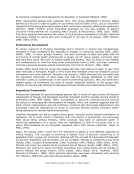
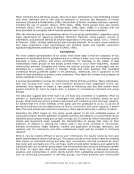
For years we and our colleagues have struggled to define totalistic groups with destructive
potential so that it is clear to others how these organizations differ from various groups whose
activities represent less potential to harm their members. In 1985, as a result of the
Wingspread Conference on Cults and Society (which West directed), a definition was written
that clarifies the cult:
Cult (totalist type): A group or movement exhibiting a great or excessive devotion or
dedication to some person, idea, or thing and employing unethical, manipulative or
coercive techniques of persuasion and control ...designed to advance the goals of
Cults, Coercion, and Contumely
Margaret Thaler Singer, Ph.D.
University of California, Berkeley
Marsha Emmer Addis
Jonsson Comprehensive Cancer Center
University of California, Los Angeles
Abstract
This article, originally written as part of a festschrift in honor of Dr. Louis Jolyon West
for his contributions in a wide area of psychiatry, shows how West‟s interest in cults
evolved naturally out of three lifelong pursuits--his studies of the physiology of
emotions, his studies of how human interactions impact on physiological reactions
and lead toward health or illness, and his sense of social responsibility as a physician.
West‟s intellectual foci serve here as a framework for addressing the definition of
exploitative cults and the scientific basis for understanding cults‟ thought-reform
techniques as a coordinated program of coercive influence and behavior control. The
article also addresses 14 cult-related myths that have been promoted and perpetuat-
ed by cult apologists. Today, with the continuing growth of the cult phenomenon and
with such tragedies as Jonestown and Waco behind us, we can perhaps see more
clearly why cults are a public health concern.
Rather than focusing on one particular biological, social, or psychological aspect of Louis
Jolyon West‟s professional career so far, we synthesize several of his intellectual foci, as he
did, to show the logical path that drew his interest to the challenging, and controversial, world
of modern-day totalistic groups (e.g., cults). We have chosen that background as the
framework around which we deal with the systematic manipulation of psychological and social
influence procedures variously known as thought reform, coercive persuasion, and
brainwashing.
West formulates his opinions within the domain in which he was trained--that of a
physician-psychiatrist. From that vantage point, he never loses sight of the verity that all life
is a living, interacting process. Thus, his psychosociopolitical observations are those of a
physician who thinks in terms related to health and illness, pain and its alleviation, and indi-
vidual and public health within the ecosystem of health and illness.
West‟s research on hypnosis, on how social interactions alter physiological responses, and his
studies of prisoners of war and other intense influence experiences, combined with his studies
of the psychological components of social movements, led him to recognize the social and
psychological phenomena that he and others saw in many persons emerging from totalistic
groups. He recognized the generic group influence procedures that were being used and he
knew their social, medical, psychological, and public health consequences.
For years we and our colleagues have struggled to define totalistic groups with destructive
potential so that it is clear to others how these organizations differ from various groups whose
activities represent less potential to harm their members. In 1985, as a result of the
Wingspread Conference on Cults and Society (which West directed), a definition was written
that clarifies the cult:
Cult (totalist type): A group or movement exhibiting a great or excessive devotion or
dedication to some person, idea, or thing and employing unethical, manipulative or
coercive techniques of persuasion and control ...designed to advance the goals of