Cultic Studies Journal, Vol. 9, No. 2, 1992, Page 8
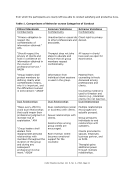
limitations on the extent to which clients can become vulnerable to exploitation by
professionals (APA, 1989 ASGW, 1983 NASW, 1990). In group therapies, the desire to be
accepted as a member and the power of group pressures to conform add risks that appear
different from those associated with individual psychotherapies. Ethical group leaders are
expected to take care to protect individuals from excessive pressures (Corey, Corey, Callahan,
&Russell, 1982) and to promote the independence of participants (Keith-Spiegel &Koocher,
1985 Lakin, 1986) by helping clients define and adhere to their own goals (ASGW, 1983).
Unethical therapists minimize individuals‟ competence to make decisions and encourage
dependency on the therapy and the group (Temerlin &Temerlin, 1986). It is common for
clients to idealize and inflate the wisdom and skills of the therapist. Unethical therapists
reinforce this inaccurate transference (Corey, Corey, Callahan, &Russell, 1982). In the
theoretical framework of the groups under study, the concepts of transference and
countertransference appear to be ignored (Ayella, 1985). This positive transference is labeled
and accepted as “deserved and accurate” (Temerlin &Temerlin, 1986).
Whereas ethical group counselors are expected to exercise control over inordinate peer
pressure and client self-esteem (Corey, Corey, Callahan, &Russell, 1982 Lakin, 1986),
reports from the groups under study indicate that they often foster feelings of humiliation
(Ayella, 1985 Hochman, 1984), failure (Ayella, 1985), and punishment (Ayella, 1985 Ofshe,
1976). Ayella (1985) also noted a constant striving for a “perfect” standard of mental health
as defined by the group. The result of these forces is that psychotherapy cults evolve into
enmeshed groups of dependent clients who are rarely referred elsewhere for help (Temerlin &
Temerlin, 1986).
In these groups independence is not a goal. Instead, the measure of success is more
commonly whether the individual develops a new identity (Ayella, 1985 Hochman, 1984).
This is verified by “true-believing” acceptance of the therapy and the therapist (Temerlin &
Temerlin, 1986). In these groups, submission to the group is Acharacterized as the height of
personal liberation and transcendence@ (Appel, 1983, p. 20). Retaining successful members
as therapists perpetuates the dependency and reinforces pressures for conformity (Ayella,
1985 Bainbridge, 1978 Black, 1975 Conason &McGarrahan, 1986 Mithers, 1988).
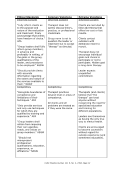
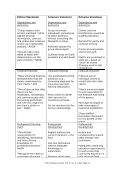
Financial Practices
Professional standards for dealing with financial arrangements include informed consent
regarding financial obligations and consideration of the clients‟ financial abilities to pay (APA,
1989 NASW, 1990), as well as accuracy of billing and payment practices. Common violations
include manipulating a diagnosis in order to qualify for insurance payment, billing for services
not delivered, bartering for client services, or entering into other business relationships with
clients.
Violations in group therapy contexts follow these themes with added variations, such as
charging for membership in its club (Ofshe, 1976), soliciting donations from clients to the
sponsoring agency, and pressuring clients to recruit new referrals or to proselytize them from
other groups or to donate volunteer time to the sponsoring agency (Ayella, 1985 Mithers,
1988). In the groups under study, financial relationships appear to become more exploitative
and coercive (Bainbridge, 1978 Lewin, 1988 Span, 1988). The catalog of documented
practices includes (a) requiring prepayment for services (Ayella, 1985) (b) therapists
providing investment advice (Ayella, 1985) (c) borrowing money from clients (Boland, 1989
Hennican, 1988) (d) using volunteer and low-salaried labor by clients (Ayella, 1985 Mithers,
1988 Ofshe, 1976) (e) imposing fines for noncompliance (Lewin, 1988) (f) charging
members fees for legal services provided to the group (Lewin, 1988) (g) asking members to
donate their salaries with the exception of $50 per month (Ofshe, 1976) (h) soliciting clients
to become “stockholders” in the purchase of real estate (Span, 1988) and (i) sending billings
limitations on the extent to which clients can become vulnerable to exploitation by
professionals (APA, 1989 ASGW, 1983 NASW, 1990). In group therapies, the desire to be
accepted as a member and the power of group pressures to conform add risks that appear
different from those associated with individual psychotherapies. Ethical group leaders are
expected to take care to protect individuals from excessive pressures (Corey, Corey, Callahan,
&Russell, 1982) and to promote the independence of participants (Keith-Spiegel &Koocher,
1985 Lakin, 1986) by helping clients define and adhere to their own goals (ASGW, 1983).
Unethical therapists minimize individuals‟ competence to make decisions and encourage
dependency on the therapy and the group (Temerlin &Temerlin, 1986). It is common for
clients to idealize and inflate the wisdom and skills of the therapist. Unethical therapists
reinforce this inaccurate transference (Corey, Corey, Callahan, &Russell, 1982). In the
theoretical framework of the groups under study, the concepts of transference and
countertransference appear to be ignored (Ayella, 1985). This positive transference is labeled
and accepted as “deserved and accurate” (Temerlin &Temerlin, 1986).
Whereas ethical group counselors are expected to exercise control over inordinate peer
pressure and client self-esteem (Corey, Corey, Callahan, &Russell, 1982 Lakin, 1986),
reports from the groups under study indicate that they often foster feelings of humiliation
(Ayella, 1985 Hochman, 1984), failure (Ayella, 1985), and punishment (Ayella, 1985 Ofshe,
1976). Ayella (1985) also noted a constant striving for a “perfect” standard of mental health
as defined by the group. The result of these forces is that psychotherapy cults evolve into
enmeshed groups of dependent clients who are rarely referred elsewhere for help (Temerlin &
Temerlin, 1986).
In these groups independence is not a goal. Instead, the measure of success is more
commonly whether the individual develops a new identity (Ayella, 1985 Hochman, 1984).
This is verified by “true-believing” acceptance of the therapy and the therapist (Temerlin &
Temerlin, 1986). In these groups, submission to the group is Acharacterized as the height of
personal liberation and transcendence@ (Appel, 1983, p. 20). Retaining successful members
as therapists perpetuates the dependency and reinforces pressures for conformity (Ayella,
1985 Bainbridge, 1978 Black, 1975 Conason &McGarrahan, 1986 Mithers, 1988).
Financial Practices
Professional standards for dealing with financial arrangements include informed consent
regarding financial obligations and consideration of the clients‟ financial abilities to pay (APA,
1989 NASW, 1990), as well as accuracy of billing and payment practices. Common violations
include manipulating a diagnosis in order to qualify for insurance payment, billing for services
not delivered, bartering for client services, or entering into other business relationships with
clients.
Violations in group therapy contexts follow these themes with added variations, such as
charging for membership in its club (Ofshe, 1976), soliciting donations from clients to the
sponsoring agency, and pressuring clients to recruit new referrals or to proselytize them from
other groups or to donate volunteer time to the sponsoring agency (Ayella, 1985 Mithers,
1988). In the groups under study, financial relationships appear to become more exploitative
and coercive (Bainbridge, 1978 Lewin, 1988 Span, 1988). The catalog of documented
practices includes (a) requiring prepayment for services (Ayella, 1985) (b) therapists
providing investment advice (Ayella, 1985) (c) borrowing money from clients (Boland, 1989
Hennican, 1988) (d) using volunteer and low-salaried labor by clients (Ayella, 1985 Mithers,
1988 Ofshe, 1976) (e) imposing fines for noncompliance (Lewin, 1988) (f) charging
members fees for legal services provided to the group (Lewin, 1988) (g) asking members to
donate their salaries with the exception of $50 per month (Ofshe, 1976) (h) soliciting clients
to become “stockholders” in the purchase of real estate (Span, 1988) and (i) sending billings