Cultic Studies Journal, Vol. 9, No. 2, 1992, Page 22
mechanisms. West also clearly differentiated the group political indoctrination process known
as “thought reform” from forceful interrogation and torture, which was applied to certain
prisoners of war (POWs) (usually Air Force personnel) in order to secure propaganda state-
ments during the Korean War. In his 1963 article for The Encyclopedia of Mental Health,30
West explained:
The thought reform technique relies heavily upon small group dynamics, the group
structure, the relationship of the leader to the group, the relative initial psychological
isolation of each individual from the other members of the group as individuals, and
the evolution of a growing group identity and group pressure to bring the tardy or
errant members into line. ...Thought reform is defined by the word “indoctrination”
in which certain specific ideas and attitudes are inculcated deliberately and without
the merits of competitive doctrines being offered.
The theory of thought reform is based on accepted and decades-old material from the dis-
ciplines of clinical and social psychology. These general techniques of social and psychological
influence, ways of patterning and sequencing them, are verified in the scientific literature.49-57
Because the terms thought reform, coercive persuasion, and brainwashing have become so
intermingled in everyday language that their distinctions are an artifact of history, Ofshe and
Singer58 coined a new term “coordinated programs of coercive influence and behavior
control.” This term also avoids any erroneous historical connotation suggesting that a “gun at
the head” is necessary to control effectively a person‟s decisions, behavior, or expressed atti-
tudes.
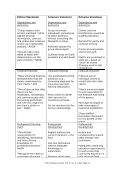
Many situations include planned influence procedures (e.g., sales programs, recruitment
programs, political campaigns). However, there are specific differences between these and a
coordinated program of coercive influence and behavior control (or, as we have suggested
here, exploitative persuasion). In the latter:
1. Intense and frequent attempts and contrived environmental settings are employed to
undermine a person‟s confidence and judgment.
2. Intense and frequent attempts and environmental manipulation also are used to cause
people to reevaluate themselves, their values, and their prior conduct in negative ways.
3. Efforts are made to establish considerable control over a person‟s social environment and
sources of social support. Isolation from previous social contacts is promoted. Contact with
family and friends is abridged, as is contact with persons who do not share group-approved
attitudes. Economic and other dependence on the group is fostered.
4. Disconfirming information and nonsupporting opinions are prohibited in communication
within the group. Rules exist about permissible topics to discuss with outsiders.
Communication is tightly controlled.
5. Nonphysical punishments are used (e.g., humiliation, loss of privilege, social status
changes, guilt manipulation, and other techniques for creating aversive emotional arousals).
6. Social, psychological, and spiritual threats (real or implied) are present, the implications of
which are that failure to adopt the approved attitude will lead to severe punishment or dire
consequences (e.g., damnation, physical or mental illness, drug dependence, economic
collapse, divorce, failure to find a mate, rejection by the group, etc.).
Recovery of Damages
One of West‟s 12 “Rs”--recovery of damages--has provided the forum for controversy around
the meaning of thought reform. In recent years an increasing number of ex-cult members
have instigated legal suits against totalist groups, alleging harms they suffered as a result of
membership in those organizations. Many of these lawsuits have resulted in judgment for the
mechanisms. West also clearly differentiated the group political indoctrination process known
as “thought reform” from forceful interrogation and torture, which was applied to certain
prisoners of war (POWs) (usually Air Force personnel) in order to secure propaganda state-
ments during the Korean War. In his 1963 article for The Encyclopedia of Mental Health,30
West explained:
The thought reform technique relies heavily upon small group dynamics, the group
structure, the relationship of the leader to the group, the relative initial psychological
isolation of each individual from the other members of the group as individuals, and
the evolution of a growing group identity and group pressure to bring the tardy or
errant members into line. ...Thought reform is defined by the word “indoctrination”
in which certain specific ideas and attitudes are inculcated deliberately and without
the merits of competitive doctrines being offered.
The theory of thought reform is based on accepted and decades-old material from the dis-
ciplines of clinical and social psychology. These general techniques of social and psychological
influence, ways of patterning and sequencing them, are verified in the scientific literature.49-57
Because the terms thought reform, coercive persuasion, and brainwashing have become so
intermingled in everyday language that their distinctions are an artifact of history, Ofshe and
Singer58 coined a new term “coordinated programs of coercive influence and behavior
control.” This term also avoids any erroneous historical connotation suggesting that a “gun at
the head” is necessary to control effectively a person‟s decisions, behavior, or expressed atti-
tudes.
Many situations include planned influence procedures (e.g., sales programs, recruitment
programs, political campaigns). However, there are specific differences between these and a
coordinated program of coercive influence and behavior control (or, as we have suggested
here, exploitative persuasion). In the latter:
1. Intense and frequent attempts and contrived environmental settings are employed to
undermine a person‟s confidence and judgment.
2. Intense and frequent attempts and environmental manipulation also are used to cause
people to reevaluate themselves, their values, and their prior conduct in negative ways.
3. Efforts are made to establish considerable control over a person‟s social environment and
sources of social support. Isolation from previous social contacts is promoted. Contact with
family and friends is abridged, as is contact with persons who do not share group-approved
attitudes. Economic and other dependence on the group is fostered.
4. Disconfirming information and nonsupporting opinions are prohibited in communication
within the group. Rules exist about permissible topics to discuss with outsiders.
Communication is tightly controlled.
5. Nonphysical punishments are used (e.g., humiliation, loss of privilege, social status
changes, guilt manipulation, and other techniques for creating aversive emotional arousals).
6. Social, psychological, and spiritual threats (real or implied) are present, the implications of
which are that failure to adopt the approved attitude will lead to severe punishment or dire
consequences (e.g., damnation, physical or mental illness, drug dependence, economic
collapse, divorce, failure to find a mate, rejection by the group, etc.).
Recovery of Damages
One of West‟s 12 “Rs”--recovery of damages--has provided the forum for controversy around
the meaning of thought reform. In recent years an increasing number of ex-cult members
have instigated legal suits against totalist groups, alleging harms they suffered as a result of
membership in those organizations. Many of these lawsuits have resulted in judgment for the