Cultic Studies Journal, Vol. 9, No. 2, 1992, Page 68
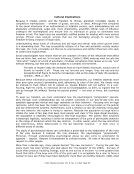
One might argue that Wellspring‟s employment of a thought reform model as a conceptual
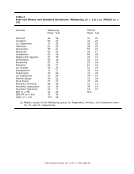
tool for understanding cult involvements may produce an artificial decrease in Dependent
scores at Time 11. However, other clinical populations in which Dependent is high do not
show so large a drop as the Wellspring clients did. Moreover, for the FOCUS group,
Dependent and years out of group varied inversely (a subsequent report will go into greater
detail on this point).
The implications for treatment are noteworthy. Some of the issues suggested by this study
relate to the nature of dissociation itself and how it is associated with trauma. If indeed
these former cultists are in a partial state of dissociation as a result of their cult
involvement, then this dissociation must be treated. Our clinical impressions of most of the
clients indicate that they are split off from their emotional responses to the various traumas
described to the clinician.
Wellspring‟s approach to treating the dissociation begins therapy by reconstructing the
client‟s experiences in terms of a systems model of thought reform. Typically, clients‟
awareness of what happened to them is restricted because they lack a conceptual
framework that can adequately attach meaning to their experiences. In this regard,
Wellspring‟s treatment, at least in the beginning phases, is similar to certain methods of
treating victims of trauma or sexual abuse. In treating trauma and abuse, the nature of the
experience must be explained in order to prevent victims from blaming themselves.
Similarly, former cultists are able to free themselves of the cult-imposed tendency to blame
their own inadequacy for personal problems and to recognize the role of forces within the
cult environment. As Langone (1992) argues, behind such treatment lies an unavoidable
ethical imension. In order to regain their former level of psychological well-being, which
includes their sense of right and wrong, former cultists must come to understand not only
what was done to them and how it was done but also why it was wrong. To ignore this
ethical dimension is to ignore one of the central elements of self.(Ofshe &Singer, 1986)
that cults assault and that is dissociated from consciousness.
Very much tied to the sense of right and wrong are religious concerns, which often
preoccupy many former cultists, in part because, especially for those who were in religious
cults, they have used religious frameworks to understand the world since at least the time
of joining the cult. Addressing these concerns can be a daunting task for many mental
health clinicians, and even for pastoral counselors. Frequently, former cultists need to adopt
new religious frameworks, or return to their pre-cult religious belief systems, in order to
recapture dissociated parts of themselves, understand the cult experience, cope with
present challenges, and tie all of these issues together. Typically, psychological and
theological analyses cannot be cleanly separated.
As ex-cultists come to understand the mechanisms operating in the cultic environment, they
become more capable of effectively grieving the loss of friends, time, career pursuits,
idealism, and other aspirations that were lost as a result of spending time in and leaving the
cult. Supportive counseling reinforced by educational programs regarding grief and loss
appears to be effective in helping ex-cultists deal with grief-related problems.
Graduates of the Wellspring program frequently say that the daily treatment regime in a
quiet, rural milieu with understanding staff is a source of healing and comfort. This
temporary, supportive time of reflection enables former cultists to reconnect to dissociated
elements of self and to assess their lives in more detail than would be possible in a hectic
environment. The clarity thus gained permits them to plan more effectively for their time
after Wellspring.
One might argue that Wellspring‟s employment of a thought reform model as a conceptual
tool for understanding cult involvements may produce an artificial decrease in Dependent
scores at Time 11. However, other clinical populations in which Dependent is high do not
show so large a drop as the Wellspring clients did. Moreover, for the FOCUS group,
Dependent and years out of group varied inversely (a subsequent report will go into greater
detail on this point).
The implications for treatment are noteworthy. Some of the issues suggested by this study
relate to the nature of dissociation itself and how it is associated with trauma. If indeed
these former cultists are in a partial state of dissociation as a result of their cult
involvement, then this dissociation must be treated. Our clinical impressions of most of the
clients indicate that they are split off from their emotional responses to the various traumas
described to the clinician.
Wellspring‟s approach to treating the dissociation begins therapy by reconstructing the
client‟s experiences in terms of a systems model of thought reform. Typically, clients‟
awareness of what happened to them is restricted because they lack a conceptual
framework that can adequately attach meaning to their experiences. In this regard,
Wellspring‟s treatment, at least in the beginning phases, is similar to certain methods of
treating victims of trauma or sexual abuse. In treating trauma and abuse, the nature of the
experience must be explained in order to prevent victims from blaming themselves.
Similarly, former cultists are able to free themselves of the cult-imposed tendency to blame
their own inadequacy for personal problems and to recognize the role of forces within the
cult environment. As Langone (1992) argues, behind such treatment lies an unavoidable
ethical imension. In order to regain their former level of psychological well-being, which
includes their sense of right and wrong, former cultists must come to understand not only
what was done to them and how it was done but also why it was wrong. To ignore this
ethical dimension is to ignore one of the central elements of self.(Ofshe &Singer, 1986)
that cults assault and that is dissociated from consciousness.
Very much tied to the sense of right and wrong are religious concerns, which often
preoccupy many former cultists, in part because, especially for those who were in religious
cults, they have used religious frameworks to understand the world since at least the time
of joining the cult. Addressing these concerns can be a daunting task for many mental
health clinicians, and even for pastoral counselors. Frequently, former cultists need to adopt
new religious frameworks, or return to their pre-cult religious belief systems, in order to
recapture dissociated parts of themselves, understand the cult experience, cope with
present challenges, and tie all of these issues together. Typically, psychological and
theological analyses cannot be cleanly separated.
As ex-cultists come to understand the mechanisms operating in the cultic environment, they
become more capable of effectively grieving the loss of friends, time, career pursuits,
idealism, and other aspirations that were lost as a result of spending time in and leaving the
cult. Supportive counseling reinforced by educational programs regarding grief and loss
appears to be effective in helping ex-cultists deal with grief-related problems.
Graduates of the Wellspring program frequently say that the daily treatment regime in a
quiet, rural milieu with understanding staff is a source of healing and comfort. This
temporary, supportive time of reflection enables former cultists to reconnect to dissociated
elements of self and to assess their lives in more detail than would be possible in a hectic
environment. The clarity thus gained permits them to plan more effectively for their time
after Wellspring.