Cultic Studies Journal, Vol. 9, No. 2, 1992, Page 53
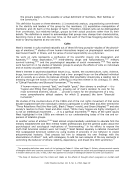
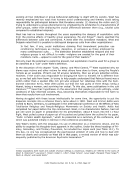
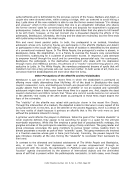
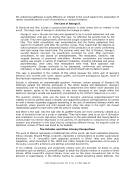
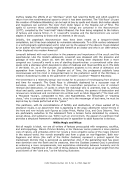
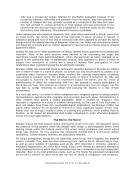
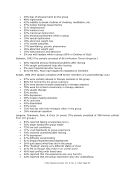
38% feared physical harm by the group
34% severe anxiety attacks after leaving
11% were sexually abused in the group
Solomon (1981) has suggested that negative effects reported by former cult members
reflect the influence of contact with the anti-cult movement, which, she maintains, seems
“to serve a reference group function, influencing an ex-member‟s attitudes and values,
regardless of whether this group had been chosen by the subject or had been imposed
primarily through deprogramming and/or rehabilitation” (p. 287). Solomon appears to
overlook the possibilities that (a) contact with the “anti-cult movement” could reflect a self-
selection process that screens out those ex-cultists who are inclined positively toward their
group and (b) the “anti-cult movement” may help ex-cultists become aware of factors that
have much objective significance.
Post-cult distress may at least in part reflect pre-cult psychopathology. This suggestion is
bolstered by findings concerning the percentage of cultists reporting pre-cult psychological
counseling: 7% (Barker, 1984), 30% (Spero, 1982), 30% (Galanter, Rabkin, Rabkin, &
Deutsch, 1979), 38% (Galanter &Buckley, 1978), 42% (Langone et al., in press), 59%
(Knight, 1986), and 62% (Sirkin &Grellong, 1988). Averaged out, these studies indicate
that approximately one third of former cultists had had counseling before joining the cult, a
finding that is very similar to Sirkin &Grellong‟s (1988) non-cult comparison group of
Jewish youth, 33% of whom had had counseling. It is certainly possible that cult joiners
tend to be somewhat more troubled psychologically than nonjoiners. However, since a
comprehensive National Institute of Mental Health epidemiological study found that
approximately 20% of the general population suffer from at least one psychiatric disorder
(Freedman, 1986), the level of psychopathology in the cult joiner population may not be
much greater than that of the population as a whole. Cult joiners may simply be more
willing to seek help, which could possibly contribute to their susceptibility to cultic
recruitment. Moreover, even if on the whole cultists are more disturbed psychologically, a
majority appear to have been within the normal range psychologically before they joined
their group.
Whatever the nature, magnitude, and causes of cult-related harm, helping professionals
must try to treat it as best they can. Their effectiveness is difficult to evaluate, for only
three studies have investigated treatment/intervention outcomes, and two of those
examined exit-oriented interventions. None looked at treatment effectiveness with regard to
symptomatology or personality dimensions.
Langone‟s (1984) survey of parents who had attempted deprogrammings of a cult-involved
child found that 63% of the deprogrammings were “successful,” that is, the cultist left
his/her group. Of the 37% who returned to the group, 25% later left on their own. Dubrow
Eichel, Dubrow Eichel, and Eisenberg (1984) reported a 67% success rate with 17 cases at
an outpatient facility specializing in the treatment of cult-related problems. “Success” was
defined either as the client‟s deciding to leave the group or, if cult involvement was deemed
secondary to a more primary destructive problem, as the client‟s taking “clear and sincere
action to remedy this problem” (p. 158). Spero (1982) completed psychodynamically
oriented psychotherapy with 51 of 65 former cultists. A number of indices of improvement
were noted. IQ scores increased. Bender Gestalt scores demonstrated a “significant trend
toward increased perceptual openness” (p. 338). Responses to the Draw-a-Person Test
indicated a decline in emotionality suggestive of conflict. Of the 51 subjects who completed
therapy, 5 consulted their therapist prior to the scheduled six-month followup, in which 42
subjects participated.
In this study we add to the limited amount of systematically collected data bearing on post-
cult distress and its treatment. More specifically, the study‟s purposes are to:
38% feared physical harm by the group
34% severe anxiety attacks after leaving
11% were sexually abused in the group
Solomon (1981) has suggested that negative effects reported by former cult members
reflect the influence of contact with the anti-cult movement, which, she maintains, seems
“to serve a reference group function, influencing an ex-member‟s attitudes and values,
regardless of whether this group had been chosen by the subject or had been imposed
primarily through deprogramming and/or rehabilitation” (p. 287). Solomon appears to
overlook the possibilities that (a) contact with the “anti-cult movement” could reflect a self-
selection process that screens out those ex-cultists who are inclined positively toward their
group and (b) the “anti-cult movement” may help ex-cultists become aware of factors that
have much objective significance.
Post-cult distress may at least in part reflect pre-cult psychopathology. This suggestion is
bolstered by findings concerning the percentage of cultists reporting pre-cult psychological
counseling: 7% (Barker, 1984), 30% (Spero, 1982), 30% (Galanter, Rabkin, Rabkin, &
Deutsch, 1979), 38% (Galanter &Buckley, 1978), 42% (Langone et al., in press), 59%
(Knight, 1986), and 62% (Sirkin &Grellong, 1988). Averaged out, these studies indicate
that approximately one third of former cultists had had counseling before joining the cult, a
finding that is very similar to Sirkin &Grellong‟s (1988) non-cult comparison group of
Jewish youth, 33% of whom had had counseling. It is certainly possible that cult joiners
tend to be somewhat more troubled psychologically than nonjoiners. However, since a
comprehensive National Institute of Mental Health epidemiological study found that
approximately 20% of the general population suffer from at least one psychiatric disorder
(Freedman, 1986), the level of psychopathology in the cult joiner population may not be
much greater than that of the population as a whole. Cult joiners may simply be more
willing to seek help, which could possibly contribute to their susceptibility to cultic
recruitment. Moreover, even if on the whole cultists are more disturbed psychologically, a
majority appear to have been within the normal range psychologically before they joined
their group.
Whatever the nature, magnitude, and causes of cult-related harm, helping professionals
must try to treat it as best they can. Their effectiveness is difficult to evaluate, for only
three studies have investigated treatment/intervention outcomes, and two of those
examined exit-oriented interventions. None looked at treatment effectiveness with regard to
symptomatology or personality dimensions.
Langone‟s (1984) survey of parents who had attempted deprogrammings of a cult-involved
child found that 63% of the deprogrammings were “successful,” that is, the cultist left
his/her group. Of the 37% who returned to the group, 25% later left on their own. Dubrow
Eichel, Dubrow Eichel, and Eisenberg (1984) reported a 67% success rate with 17 cases at
an outpatient facility specializing in the treatment of cult-related problems. “Success” was
defined either as the client‟s deciding to leave the group or, if cult involvement was deemed
secondary to a more primary destructive problem, as the client‟s taking “clear and sincere
action to remedy this problem” (p. 158). Spero (1982) completed psychodynamically
oriented psychotherapy with 51 of 65 former cultists. A number of indices of improvement
were noted. IQ scores increased. Bender Gestalt scores demonstrated a “significant trend
toward increased perceptual openness” (p. 338). Responses to the Draw-a-Person Test
indicated a decline in emotionality suggestive of conflict. Of the 51 subjects who completed
therapy, 5 consulted their therapist prior to the scheduled six-month followup, in which 42
subjects participated.
In this study we add to the limited amount of systematically collected data bearing on post-
cult distress and its treatment. More specifically, the study‟s purposes are to: