Cultic Studies Journal, Vol. 6, No. 2, 1989, Page 9
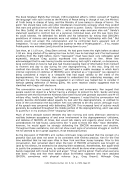
My experiences in Barrytown, as an interviewer/researcher and as a therapist for former
cultists have contributed considerably to my formulations about the process of cult
conversion and deconversion (deprogramming). Clinical experience continues to produce
evidence that, for at least a great many individuals in a broad range of totalistic groups.
Conversion to the cult‟s beliefs and lifestyles involves varying degrees of deception and
coercive persuasion.
Chapter II
Review of the Literature
The cult conversion debate: Coercive persuasion or free choice?
The ongoing debate over the nature of cult conversion is central to understanding
deprogramming, for deprogrammers purport to undo the process of coerced conversion in
destructive cults.
There are three viewpoints regarding the nature of cult conversion. On one side of the
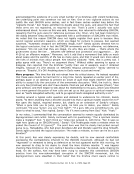
debate are social scientists and theologians who eschew the labels “cult” and “destructive
cult” in favor of the term “new religion” (cf., Bromley and Shupe, 1983 Kilbourne and
Richardson, 1984 Ungerleider &Wellisch, 1979a, 1979b). I term the proponents of this
viewpoint “new religionists.” The new religionists believe that cults are unconventional and
perhaps unrealistically utopian but nevertheless bona fide, and are at worst no more
harmful than traditional religions and institutions. At best, new religions provide alternative
socialization and meaning to young people who cannot find their niche in “traditional”
lifestyles and religions and are similar in social processes and results to psychotherapy
(Kilbourne and Richardson, 1984), or they improve psychological functioning (Ross, 1985
Wilson, 1985). This view holds that deprogramming is a misnomer at best (if cultists are not
“programmed” to begin with, they cannot be “deprogrammed”) ad a violation of civil liberty
at worst. The new religionists remind us that many “conventional” religions began as
controversial sects that were persecuted relentlessly attempts to control or curb the
activities of new religions are therefore seen as violations of constitutional guarantees of
religious freedom.
On the opposite side of this debate is what critics (cf., Barker, 1984 Bromley and
Richardson, 1983 Bromley and Shupe, 1983 Kilbourne, 1983 Kilbourne and Richardson,
1984) label the “anti-cult movement” or ACM view: Cultic conversion is induced without the
participant‟s informed consent. The ACM‟s major concerns about cults include objections to
the conversion process, and objections to cult activities (Dole &Dubrow-Eichel, 1985
Enroth, 1977 Rudin &Rudin, 1980 Zeitlin, 1985). In contrast to the new religionists, the
anti-cultists view deprogramming and exit counseling as viable and effective interventions
aimed at returning cultists to individual liberty.
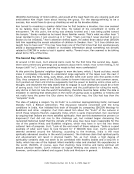
There also appears to be a broad middle ground made up of some mental health
professionals (e.g., Galanter, 1983 Kriegman &Solomon, 1985 Levine, 1984) and social
scientists (e.g. Bakken, 1985 Galanti, 1984 Gordon, 1984) who find cults varying
abhorrent and deceptive, but tend to reject reductionist “brainwashing” models of
conversion. They may view participation in a cult as a sign of an underlying psychiatric
disorder (e.g., Kriegman &Solomon, 1985 Spero, 1984), family dysfunction (e.g.,
Schwartz, 1983 Stipes, 1985), or a paradoxical attempt to achieve maturity and
independence through ego surrender to an ultimate authority (e.g., Levine, 1984 Schwartz,
1983 Stipes, 1985). This group may acknowledge the deceptiveness and imperialistic
qualities of cultic groups, but they usually believe the “evils” of deprogramming and other
forms of social control that appear to diminish religious freedoms outweigh cultic
misbehavior. I would also include in this broad middle ground (albeit more closely
associated with the anti-cult view) those mental health professionals and social scientists
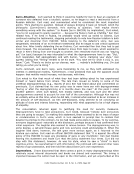
My experiences in Barrytown, as an interviewer/researcher and as a therapist for former
cultists have contributed considerably to my formulations about the process of cult
conversion and deconversion (deprogramming). Clinical experience continues to produce
evidence that, for at least a great many individuals in a broad range of totalistic groups.
Conversion to the cult‟s beliefs and lifestyles involves varying degrees of deception and
coercive persuasion.
Chapter II
Review of the Literature
The cult conversion debate: Coercive persuasion or free choice?
The ongoing debate over the nature of cult conversion is central to understanding
deprogramming, for deprogrammers purport to undo the process of coerced conversion in
destructive cults.
There are three viewpoints regarding the nature of cult conversion. On one side of the
debate are social scientists and theologians who eschew the labels “cult” and “destructive
cult” in favor of the term “new religion” (cf., Bromley and Shupe, 1983 Kilbourne and
Richardson, 1984 Ungerleider &Wellisch, 1979a, 1979b). I term the proponents of this
viewpoint “new religionists.” The new religionists believe that cults are unconventional and
perhaps unrealistically utopian but nevertheless bona fide, and are at worst no more
harmful than traditional religions and institutions. At best, new religions provide alternative
socialization and meaning to young people who cannot find their niche in “traditional”
lifestyles and religions and are similar in social processes and results to psychotherapy
(Kilbourne and Richardson, 1984), or they improve psychological functioning (Ross, 1985
Wilson, 1985). This view holds that deprogramming is a misnomer at best (if cultists are not
“programmed” to begin with, they cannot be “deprogrammed”) ad a violation of civil liberty
at worst. The new religionists remind us that many “conventional” religions began as
controversial sects that were persecuted relentlessly attempts to control or curb the
activities of new religions are therefore seen as violations of constitutional guarantees of
religious freedom.
On the opposite side of this debate is what critics (cf., Barker, 1984 Bromley and
Richardson, 1983 Bromley and Shupe, 1983 Kilbourne, 1983 Kilbourne and Richardson,
1984) label the “anti-cult movement” or ACM view: Cultic conversion is induced without the
participant‟s informed consent. The ACM‟s major concerns about cults include objections to
the conversion process, and objections to cult activities (Dole &Dubrow-Eichel, 1985
Enroth, 1977 Rudin &Rudin, 1980 Zeitlin, 1985). In contrast to the new religionists, the
anti-cultists view deprogramming and exit counseling as viable and effective interventions
aimed at returning cultists to individual liberty.
There also appears to be a broad middle ground made up of some mental health
professionals (e.g., Galanter, 1983 Kriegman &Solomon, 1985 Levine, 1984) and social
scientists (e.g. Bakken, 1985 Galanti, 1984 Gordon, 1984) who find cults varying
abhorrent and deceptive, but tend to reject reductionist “brainwashing” models of
conversion. They may view participation in a cult as a sign of an underlying psychiatric
disorder (e.g., Kriegman &Solomon, 1985 Spero, 1984), family dysfunction (e.g.,
Schwartz, 1983 Stipes, 1985), or a paradoxical attempt to achieve maturity and
independence through ego surrender to an ultimate authority (e.g., Levine, 1984 Schwartz,
1983 Stipes, 1985). This group may acknowledge the deceptiveness and imperialistic
qualities of cultic groups, but they usually believe the “evils” of deprogramming and other
forms of social control that appear to diminish religious freedoms outweigh cultic
misbehavior. I would also include in this broad middle ground (albeit more closely
associated with the anti-cult view) those mental health professionals and social scientists