Cultic Studies Journal, Vol. 6, No. 2, 1989, Page 27
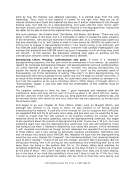
two kinds of sources. First, he conducted extensive interviews with 26 ex-members, 13 of
their close relatives, 35 parents of active U.C. members, 26 anticult activists, and an
unspecified number of journalists and “official policy makers.” Second, he analyzed written
and personal documents drawn from anticult publications ex-member autobiographies,
journalistic accounts, legal transcripts and research studies. Beckford's sample (both human
subjects and written materials) was drawn primarily from Great Britain, with additional
subject and information coming from the Federal Republic of Germany, France Japan, and
the U.S.A. Despite the geographic difference from U.S.-based research, Beckford found
surprising similarities in demographics between hi non-American subjects and their
American counterparts.
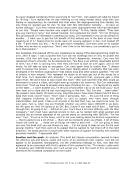
Like Wright, Beckford found less antagonism and greater ambivalence among voluntary
defectors, although he hesitated to give these subjects positively biased labels such as
“more tolerant” or “less rigid.” Like Levine (1984) Beckford also found the rate of
disengagement among Moonists to be fairly high, with approximately 75% of recruits in
Great Britain leaving the U.S. within one year of joining he labeled this “the “revolving
door” syndrome” (Beckford, 1985, p. 151).
In contrast to most models of religious defection, Beckford found that U.C ex-members did
not leave because of cognitive conflicts (e.g., changes in belief systems). Instead, they
tended to leave because of material (e.g. uncomfortable living conditions, poor diet,
exhaustion constant demand to fund-raise), social (e.g., emotional cruelty, rigid leadership,
resentment of the discrepancies between the lifestyles of leaders and the rank-and-file),
and psychological (e.g., fear, guilt, constant belittling and demands to subjugate concerns.
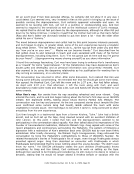
Although most of the defectors reported long-term conflicts and doubts (which were usually
actively suppressed), the decision finally to leave was generally made on the spur of the
moment, following a chance conversation, the experience of an unaccustomed freedom, a
bout of homesickness, etc. A few of Beckford‟s informants were expelled for being “too
lazy,” insubordinate, or disruptive. Beckford's report of U.C. response to defectors matched
my own experience: “One was either a member in good standing or a defector ...the vast
majority [of defectors] sank immediately into oblivion from the movements point of view”
(Beckford, 1985, p. 159).
Beckford reported a variety of psychological stress symptoms among hi defector subjects,
including confusion, shame, guilt, frustration, boredom and extreme listlessness that often
lasted six months or longer. Immediately following their leave-taking “it was not uncommon
for them to sleep for more than twelve hours for several consecutive nights” (Beckford,
1985, pp. 162-163). These factors, among others, led Beckford to conclude that U.C.
defectors differed significantly from leave-takers from traditional, but nevertheless
demanding religious orders (e.g., nuns, priests and ranks):
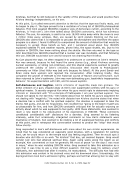
The fact that ex-nuns, ex-priests and ex-Moonies all share the experience of
abandoning “high commitment roles” should not be allowed to conceal the
sharp differences between their respective experiences in other, possibly
more important, respects. (Beckford, 1985, p. 168)
Most of Beckford's (1985) nondeprogrammed subjects also described “floating” symptoms.
He concluded that “nearly all informants were troubled after leaving the U.C. by recurrent
nightmares and [other] psychic phenomena that included “hallucinations ...and out-of-
body experiences” (p. 164). Spiritual or paranormal experiences that had initially caused an
emotional “high” had, toward the end of their U.C. membership and lingering after
defection, become unpleasant and frightening. These defectors felt “burned out:”
An intriguing feature of the psychic experiences reported by ex- Moonies after
disengagement is that so many of them related to frightening or threatening
themes ...The persistence of unpleasant and frightening experiences with the
two kinds of sources. First, he conducted extensive interviews with 26 ex-members, 13 of
their close relatives, 35 parents of active U.C. members, 26 anticult activists, and an
unspecified number of journalists and “official policy makers.” Second, he analyzed written
and personal documents drawn from anticult publications ex-member autobiographies,
journalistic accounts, legal transcripts and research studies. Beckford's sample (both human
subjects and written materials) was drawn primarily from Great Britain, with additional
subject and information coming from the Federal Republic of Germany, France Japan, and
the U.S.A. Despite the geographic difference from U.S.-based research, Beckford found
surprising similarities in demographics between hi non-American subjects and their
American counterparts.
Like Wright, Beckford found less antagonism and greater ambivalence among voluntary
defectors, although he hesitated to give these subjects positively biased labels such as
“more tolerant” or “less rigid.” Like Levine (1984) Beckford also found the rate of
disengagement among Moonists to be fairly high, with approximately 75% of recruits in
Great Britain leaving the U.S. within one year of joining he labeled this “the “revolving
door” syndrome” (Beckford, 1985, p. 151).
In contrast to most models of religious defection, Beckford found that U.C ex-members did
not leave because of cognitive conflicts (e.g., changes in belief systems). Instead, they
tended to leave because of material (e.g. uncomfortable living conditions, poor diet,
exhaustion constant demand to fund-raise), social (e.g., emotional cruelty, rigid leadership,
resentment of the discrepancies between the lifestyles of leaders and the rank-and-file),
and psychological (e.g., fear, guilt, constant belittling and demands to subjugate concerns.
Although most of the defectors reported long-term conflicts and doubts (which were usually
actively suppressed), the decision finally to leave was generally made on the spur of the
moment, following a chance conversation, the experience of an unaccustomed freedom, a
bout of homesickness, etc. A few of Beckford‟s informants were expelled for being “too
lazy,” insubordinate, or disruptive. Beckford's report of U.C. response to defectors matched
my own experience: “One was either a member in good standing or a defector ...the vast
majority [of defectors] sank immediately into oblivion from the movements point of view”
(Beckford, 1985, p. 159).
Beckford reported a variety of psychological stress symptoms among hi defector subjects,
including confusion, shame, guilt, frustration, boredom and extreme listlessness that often
lasted six months or longer. Immediately following their leave-taking “it was not uncommon
for them to sleep for more than twelve hours for several consecutive nights” (Beckford,
1985, pp. 162-163). These factors, among others, led Beckford to conclude that U.C.
defectors differed significantly from leave-takers from traditional, but nevertheless
demanding religious orders (e.g., nuns, priests and ranks):
The fact that ex-nuns, ex-priests and ex-Moonies all share the experience of
abandoning “high commitment roles” should not be allowed to conceal the
sharp differences between their respective experiences in other, possibly
more important, respects. (Beckford, 1985, p. 168)
Most of Beckford's (1985) nondeprogrammed subjects also described “floating” symptoms.
He concluded that “nearly all informants were troubled after leaving the U.C. by recurrent
nightmares and [other] psychic phenomena that included “hallucinations ...and out-of-
body experiences” (p. 164). Spiritual or paranormal experiences that had initially caused an
emotional “high” had, toward the end of their U.C. membership and lingering after
defection, become unpleasant and frightening. These defectors felt “burned out:”
An intriguing feature of the psychic experiences reported by ex- Moonies after
disengagement is that so many of them related to frightening or threatening
themes ...The persistence of unpleasant and frightening experiences with the