Cultic Studies Journal, Vol. 6, No. 2, 1989, Page 84
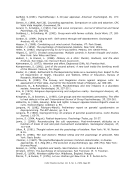
Brandyberry and Whalen not guilty in attempted deprogramming of Unification Church
member. (1988, November). Cult Awareness Network News, p. 5.
Bromley, D. (1979). “Moonies” in America. Beverly Hills, CA. Sage. Bromley, D., &
Richardson, J. (1983). The brainwashing/deprogramming Controversy: Sociological,
psychological, legal and historical perspectives. Lewiston, NY: Edwin Mellen.
Bromley, D., &Shupe, A. (1979). Just a few years seem like a lifetime: A role theory
approach to participation in religious movements. In L. Kriesberg (Ed.), Research in
social movements, conflict and change (pp. 159-185). Greenwich, CT. JAI Press.
Burgoon, M., &Bettinghaus, E. (1980). Persuasive message strategies. In M. Roloff &G.
Miller (Eds.), Persuasion: New directions in theory and research (pp. 141-164). Beverly
Hills, CA, Sage.
Cialdini, R. (1984). Influence: How and why people agree to things. New York: William
Morrow.
Clark, I., Langone, M., Schecter, R., &.Daly, R. (1981). Destructive cult conversion:
Theory, research, and treatment. Weston, MA: American Family Foundation.
Conway, F., &Siegelman, J. (1978). Snapping: America's epidemic of sudden personality
change. Philadelphia: 1. B. Lippincott.
Conway, F., &Siegelman, J. (1982, January). Information disease: Have cults created a
new mental illness? Science Digest, pp. 86-91.
Corydon, B., &Hubbard, L. (1987). L. Ron Hubbard: Messiah or madman? Secaucus, NJ:
Lyle Stuart
Curminghan4 S. (1984, October). Zimbardo: Coming close to 1984 [report on lecture by
Philip Zimbardo. APA Monitor, p. 16.
Delgado, R. (1977). Religious totalism: Gentle and ungentle persuasion under the First
Amendment Southern California Law Review, 51, I- 98.
Dole, A., &Dubrow-Eichel, S. (1985). Some new religions are dangerous. Cultic Studies
Journal, 2, 17-30.
Dubrow-Eichel, L., Dubrow-Eichel, S., Eisenberg, R., Eisenberg, S., &Schoenberg, G. (1983,
June). Psychotherapy for ex-cultists: A new specialty? Pennsylvania Psychological
Association annual meeting, Lancaster, PA.
Dubrow-Eichel, S., Dubrow-Eichel, L., &Eisenberg, R. (1984). Mental health interventions in
cult-related cases: Preliminary investigations of outcomes. Cultic Studies Journal, 1,
156-166.
Edwards, C. (1979). Crazy for God. Englewood Cliffs, NJ: Prentice-Hall.
Enroth, R. (1977). Youth, brainwashing, and the extremist cults. Grand Rapids, MI: The
Zondervan Publishing House.
Feldman, J. (1985). Subliminal perception and information processing theory: Empirical and
conceptual validation of Erickson's notion of the unconscious. In J. Zeig (Ed.),
Ericksonian psychotherapy, Volume I: Structures. New York: Brunner/Mazel, pp. 431-
447.
Feldman, J. (1986). The utilization of cognition in psychotherapy: A comparison of
Ericksonian and cognitive therapy approaches. Invited address presented at the 3rd
International Congress on Ericksonian Approaches to Hypnosis and Psychotherapy,
Phoenix, AZ, December 3-7, 1986.
Festinger, L. (1954). A theory of social comparison processes. Human Relations, 7, 117-
140.
Festinger, L. (1957). A theory of cognitive dissonance. Stanford, CA: Stanford University
Press.
Freed, J. (1980). Moon webs. Toronto, Canada. Virgo.
Galanter, M. (1983). Engaged members of the Unification Church: Impact of a charismatic
large group on adaptation and behavior. Archives of General Psychiatry, 40, 1197-1202.
Galanti, G. (1984). Brainwashing and the Moonies. Cultic Studies Journal, 1, 27-36.
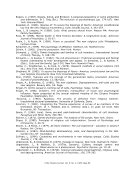
Brandyberry and Whalen not guilty in attempted deprogramming of Unification Church
member. (1988, November). Cult Awareness Network News, p. 5.
Bromley, D. (1979). “Moonies” in America. Beverly Hills, CA. Sage. Bromley, D., &
Richardson, J. (1983). The brainwashing/deprogramming Controversy: Sociological,
psychological, legal and historical perspectives. Lewiston, NY: Edwin Mellen.
Bromley, D., &Shupe, A. (1979). Just a few years seem like a lifetime: A role theory
approach to participation in religious movements. In L. Kriesberg (Ed.), Research in
social movements, conflict and change (pp. 159-185). Greenwich, CT. JAI Press.
Burgoon, M., &Bettinghaus, E. (1980). Persuasive message strategies. In M. Roloff &G.
Miller (Eds.), Persuasion: New directions in theory and research (pp. 141-164). Beverly
Hills, CA, Sage.
Cialdini, R. (1984). Influence: How and why people agree to things. New York: William
Morrow.
Clark, I., Langone, M., Schecter, R., &.Daly, R. (1981). Destructive cult conversion:
Theory, research, and treatment. Weston, MA: American Family Foundation.
Conway, F., &Siegelman, J. (1978). Snapping: America's epidemic of sudden personality
change. Philadelphia: 1. B. Lippincott.
Conway, F., &Siegelman, J. (1982, January). Information disease: Have cults created a
new mental illness? Science Digest, pp. 86-91.
Corydon, B., &Hubbard, L. (1987). L. Ron Hubbard: Messiah or madman? Secaucus, NJ:
Lyle Stuart
Curminghan4 S. (1984, October). Zimbardo: Coming close to 1984 [report on lecture by
Philip Zimbardo. APA Monitor, p. 16.
Delgado, R. (1977). Religious totalism: Gentle and ungentle persuasion under the First
Amendment Southern California Law Review, 51, I- 98.
Dole, A., &Dubrow-Eichel, S. (1985). Some new religions are dangerous. Cultic Studies
Journal, 2, 17-30.
Dubrow-Eichel, L., Dubrow-Eichel, S., Eisenberg, R., Eisenberg, S., &Schoenberg, G. (1983,
June). Psychotherapy for ex-cultists: A new specialty? Pennsylvania Psychological
Association annual meeting, Lancaster, PA.
Dubrow-Eichel, S., Dubrow-Eichel, L., &Eisenberg, R. (1984). Mental health interventions in
cult-related cases: Preliminary investigations of outcomes. Cultic Studies Journal, 1,
156-166.
Edwards, C. (1979). Crazy for God. Englewood Cliffs, NJ: Prentice-Hall.
Enroth, R. (1977). Youth, brainwashing, and the extremist cults. Grand Rapids, MI: The
Zondervan Publishing House.
Feldman, J. (1985). Subliminal perception and information processing theory: Empirical and
conceptual validation of Erickson's notion of the unconscious. In J. Zeig (Ed.),
Ericksonian psychotherapy, Volume I: Structures. New York: Brunner/Mazel, pp. 431-
447.
Feldman, J. (1986). The utilization of cognition in psychotherapy: A comparison of
Ericksonian and cognitive therapy approaches. Invited address presented at the 3rd
International Congress on Ericksonian Approaches to Hypnosis and Psychotherapy,
Phoenix, AZ, December 3-7, 1986.
Festinger, L. (1954). A theory of social comparison processes. Human Relations, 7, 117-
140.
Festinger, L. (1957). A theory of cognitive dissonance. Stanford, CA: Stanford University
Press.
Freed, J. (1980). Moon webs. Toronto, Canada. Virgo.
Galanter, M. (1983). Engaged members of the Unification Church: Impact of a charismatic
large group on adaptation and behavior. Archives of General Psychiatry, 40, 1197-1202.
Galanti, G. (1984). Brainwashing and the Moonies. Cultic Studies Journal, 1, 27-36.