International Journal of Coercion, Abuse, and Manipulation Volume 6 2023 84
2. sheltering antisocial, illegal, and criminal
activities as purportedly legally protected and/
or privileged “religious” rights
3. using principles of contract law to create
punitive schemes and
4. employing conventional Courts to enforce
these rights and to retaliate against identified
enemies.
In short, CERI legal theory is inextricably bound up
with Canadian courts, which means that: 1) Belanger
and his followers end up interacting with those courts,
and 2) when they do so, their failure is both inevitable
and total.
B. CERI Adherents
CERI’s adherents are transient. Most were previously
involved in pseudolaw of some form, experienced
setbacks and/or failures, then linked up to Belanger and
cloaked themselves with the CERI “minister” mantle.
CERI affiliation is shortly afterwards abandoned for
some other pseudolaw scheme. This pattern implies
Belanger recruits inside pseudolaw communities.
Belanger’s frequent publication of Internet videos
that explicitly criticize and challenge other gurus
and groups within the broader pseudolaw ecosystem
confirms that recruitment mechanism (e.g., owlmon,
2022a owlmon, 2022b Paraclete, 2020 Paraclete,
2021b Paraclete, 2022). This pattern traces all the
way back to the earliest appearances of pseudolaw in
Canada, where Belanger positioned himself in conflict
with Freeman-on-the-Land guru Robert Arthur
Menard, and claimed Menard’s knowledge of law was
inferior and misinformed, while what Belanger taught
was correct and far more powerful (Guest_*, 2004).
Most recently, Belanger has recorded a flurry of videos
that are obviously intended to recruit among Canadian
anti-vaccination and pandemic mitigation resister
activists who have embraced QAnon and pseudolaw
narratives (Paraclete, 2023a Paraclete, 2023b).
Beyond that, CERI adherents exhibit the usual
constellation of fringe, extremist, and conspiratorial
beliefs and affiliations typical of those who adopt
pseudolaw (Netolitzky, 2021). In that sense, CERI
adherents parallel followers of other studied pseudolaw
populations, such as the Magna Carta Lawful Rebels
(Netolitzky, 2023b) and followers of Queen Didulo
(Sarteschi, 2023).
Historically, CERI’s Edmonton-area members were
mainly persons who received social assistance,
disability and/or welfare benefits, were retired, or
who eked out a marginal existence as subsistence level
criminals (Meads v Meads, 2012 ABQB 571, para.
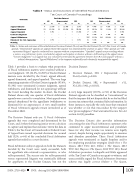
184). Most CERI litigants reviewed in this study also
had limited economic means. That pattern is different
from some pseudolaw movements, like the Canadian
Detaxers, who included professionals such as dentists
and chiropractors, and others with substantial
personal wealth and resources (Netolitzky, 2016, p.
624 Netolitzky, 2023d).
The ephemeral CERI rank and file can fairly be
described as Belanger’s victims. They already were
undergoing some form of stress or distress: mental
health issues (Haig, probably Williams), foreclosure
or debt collection scenarios (Volks, Knutson, Potvin,
probably Williams) criminal accused (Berg) or
engaged in family law subject disputes (Haig, CPD).
Belanger empowered these persons with imagined
authority, immunity, and money. But Belanger never
delivered on those promises.
Belanger then discarded his former “ministers.”
That step was usually public, but always hostile and
humiliating. Belanger shifted any and all blame to
his faithless flock. One word, more than any other,
captures the nature of Belanger’s collaborators and
followers: disposable.
What is intriguing is that, despite these highly negative
experiences, many of Belanger’s former followers (e.g.,
Volks, Knutson, Potvin, Williams) continued to pursue
some form of pseudolaw system or belief. That pattern
of behavior illustrates the deep appeal promised
by pseudolaw: a unique shifting of authority and
resulting empowerment (Netolitzky, 2021 Netolitzky,
2023c). Pseudolaw’s many variations share a common
conceptual skeleton, so switching to a new alternative
pseudolaw scheme does not require a large-scale
rejection and rebuilding of personal beliefs, values,
and preferred conspiratorial narratives. Pseudolaw
also shares a consistent anti-authority orientation
(Netolitzky, 2021).
2. sheltering antisocial, illegal, and criminal
activities as purportedly legally protected and/
or privileged “religious” rights
3. using principles of contract law to create
punitive schemes and
4. employing conventional Courts to enforce
these rights and to retaliate against identified
enemies.
In short, CERI legal theory is inextricably bound up
with Canadian courts, which means that: 1) Belanger
and his followers end up interacting with those courts,
and 2) when they do so, their failure is both inevitable
and total.
B. CERI Adherents
CERI’s adherents are transient. Most were previously
involved in pseudolaw of some form, experienced
setbacks and/or failures, then linked up to Belanger and
cloaked themselves with the CERI “minister” mantle.
CERI affiliation is shortly afterwards abandoned for
some other pseudolaw scheme. This pattern implies
Belanger recruits inside pseudolaw communities.
Belanger’s frequent publication of Internet videos
that explicitly criticize and challenge other gurus
and groups within the broader pseudolaw ecosystem
confirms that recruitment mechanism (e.g., owlmon,
2022a owlmon, 2022b Paraclete, 2020 Paraclete,
2021b Paraclete, 2022). This pattern traces all the
way back to the earliest appearances of pseudolaw in
Canada, where Belanger positioned himself in conflict
with Freeman-on-the-Land guru Robert Arthur
Menard, and claimed Menard’s knowledge of law was
inferior and misinformed, while what Belanger taught
was correct and far more powerful (Guest_*, 2004).
Most recently, Belanger has recorded a flurry of videos
that are obviously intended to recruit among Canadian
anti-vaccination and pandemic mitigation resister
activists who have embraced QAnon and pseudolaw
narratives (Paraclete, 2023a Paraclete, 2023b).
Beyond that, CERI adherents exhibit the usual
constellation of fringe, extremist, and conspiratorial
beliefs and affiliations typical of those who adopt
pseudolaw (Netolitzky, 2021). In that sense, CERI
adherents parallel followers of other studied pseudolaw
populations, such as the Magna Carta Lawful Rebels
(Netolitzky, 2023b) and followers of Queen Didulo
(Sarteschi, 2023).
Historically, CERI’s Edmonton-area members were
mainly persons who received social assistance,
disability and/or welfare benefits, were retired, or
who eked out a marginal existence as subsistence level
criminals (Meads v Meads, 2012 ABQB 571, para.
184). Most CERI litigants reviewed in this study also
had limited economic means. That pattern is different
from some pseudolaw movements, like the Canadian
Detaxers, who included professionals such as dentists
and chiropractors, and others with substantial
personal wealth and resources (Netolitzky, 2016, p.
624 Netolitzky, 2023d).
The ephemeral CERI rank and file can fairly be
described as Belanger’s victims. They already were
undergoing some form of stress or distress: mental
health issues (Haig, probably Williams), foreclosure
or debt collection scenarios (Volks, Knutson, Potvin,
probably Williams) criminal accused (Berg) or
engaged in family law subject disputes (Haig, CPD).
Belanger empowered these persons with imagined
authority, immunity, and money. But Belanger never
delivered on those promises.
Belanger then discarded his former “ministers.”
That step was usually public, but always hostile and
humiliating. Belanger shifted any and all blame to
his faithless flock. One word, more than any other,
captures the nature of Belanger’s collaborators and
followers: disposable.
What is intriguing is that, despite these highly negative
experiences, many of Belanger’s former followers (e.g.,
Volks, Knutson, Potvin, Williams) continued to pursue
some form of pseudolaw system or belief. That pattern
of behavior illustrates the deep appeal promised
by pseudolaw: a unique shifting of authority and
resulting empowerment (Netolitzky, 2021 Netolitzky,
2023c). Pseudolaw’s many variations share a common
conceptual skeleton, so switching to a new alternative
pseudolaw scheme does not require a large-scale
rejection and rebuilding of personal beliefs, values,
and preferred conspiratorial narratives. Pseudolaw
also shares a consistent anti-authority orientation
(Netolitzky, 2021).