ISSN: 2710-4028 DOI: doi.org/10.54208/1000/0006 109
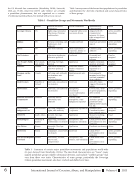
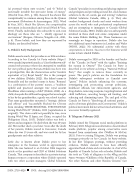
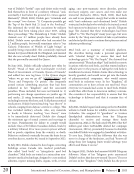
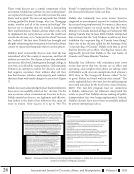
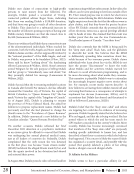
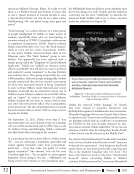
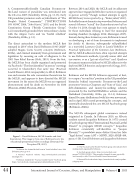
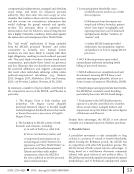
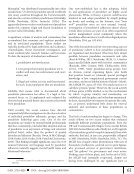
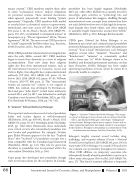
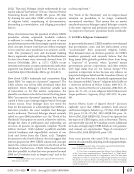
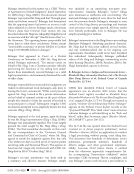
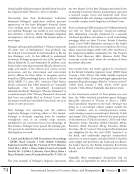
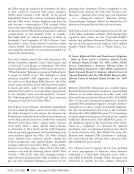
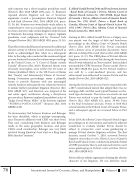
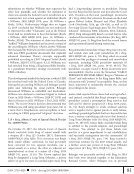
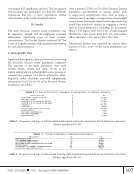
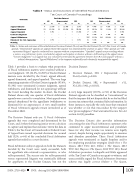
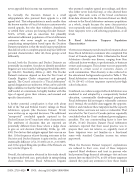
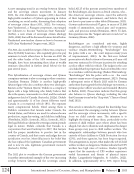
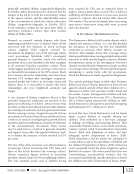
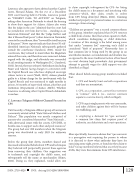
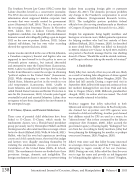
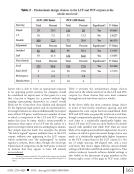
Table 3 -Status and outcomes of Fiscal Arbitrators Decision Dataset (N=64) and Docket Dataset (N=507) Tax Court of Canada
appeals. “Represented” appeals are appeals where the taxpayer was represented by a lawyer or agent. “SRL” appeals are “self-
represented litigant” appeals conducted by a taxpayer without a representative. “Quashed” appeals are proceedings where
a justice, as a preliminary point, concluded an appeal was hopeless or abusive without a full hearing of the appeal issues.
“Consent Judgment” is an appeal that was voluntarily terminated by agreement between the CRA and taxpayer without a
judicial determination. “Appeal Withdrawn” is the taxpayer unilaterally and voluntarily terminated the appeal.
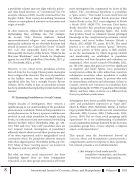
Table 3 provides a basis to evaluate what proportion
of Fiscal Arbitrators matters were resolved without a
court judgment. 123 (24.3%, N=507) of Docket Dataset
matters were decided by the Court: appeal allowed,
appeal dismissed, and appeal quashed. The very large
remaining majority of Docket Dataset appeals (95.4%,
N=391) were terminated (consent judgment, appeal
withdrawn, and dismissed for not appearing) without
the Court deciding the matter. In short, the Docket
Dataset shows only one quarter of Fiscal Arbitrators
appeals were carried to completion. Most appeals were
instead abandoned by the appellants (withdrawn or
dismissed for no appearance). A very small number
of Fiscal Arbitrators appeals remain unresolved as of
December 2022.
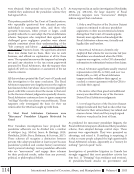
The Decision Dataset only are: 1) Fiscal Arbitrators
appeals that were completed and determined by the
Court, and 2) then the hearing justice wrote a decision
to capture and explain that outcome. Given the data in
Table 3, the Tax Court of Canada and/or Federal Court
of Appeal have issued reported decisions for around
half (52%, n=64) of the concluded Fiscal Arbitrators
appeals that ended in a court decision.
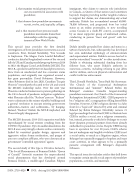
Fiscal Arbitrators subject appeals in both the Datasets
decided by the Court were rarely successful, both
for appellants who retained a representative, or who
self-represented. The success rate for self-represented
versus represented litigants was statistically different
for appellants in the Docket Dataset, but not the
Decision Dataset:
• Decision Dataset, SRL v Represented -x2(1,
N=63)=2.625, p=0.105
• Docket Dataset, SRL v Represented -x2(1,
N=123)=5.901, p=0.0151.
A very large majority (85.9%, n=56) of the Decision
Dataset appeals can be classified as “conventional,” in
that the taxpayer did not dispute that he or she had filed
income tax returns that contained false information. In
these instances, typically the only issue that remained
was whether or not that misconduct by the taxpayer
was “gross negligence” that warranted Income Tax Act
section 163(2) penalties.
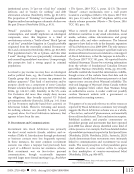
The Decision Dataset also provides information
concerning the nine Fiscal Arbitrators customers who
continued to argue unconventional and pseudolaw
bases for why their income tax returns were legally
correct, despite having ample opportunity to examine
and abandon pseudolaw. Three Fiscal Arbitrators
appeals were terminated as legally hopeless and/or
for employing pseudolaw strategies (Dalle Rive v The
Queen, 2013 TCC 243 Dillon v The Queen, 2013
TCC 242 Haynes v The Queen, 2013 TCC 185). Fiscal
Arbitrators promoters Lachapelle and Watts appeared
at the Tax Court of Canada as an agent or witness, and
unsuccessfully argued the Fiscal Arbitrators Strawman
scheme was legally correct (Robert v The Queen,
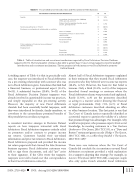
Table 3 -Status and outcomes of Fiscal Arbitrators Decision Dataset (N=64) and Docket Dataset (N=507) Tax Court of Canada
appeals. “Represented” appeals are appeals where the taxpayer was represented by a lawyer or agent. “SRL” appeals are “self-
represented litigant” appeals conducted by a taxpayer without a representative. “Quashed” appeals are proceedings where
a justice, as a preliminary point, concluded an appeal was hopeless or abusive without a full hearing of the appeal issues.
“Consent Judgment” is an appeal that was voluntarily terminated by agreement between the CRA and taxpayer without a
judicial determination. “Appeal Withdrawn” is the taxpayer unilaterally and voluntarily terminated the appeal.
Table 3 provides a basis to evaluate what proportion
of Fiscal Arbitrators matters were resolved without a
court judgment. 123 (24.3%, N=507) of Docket Dataset
matters were decided by the Court: appeal allowed,
appeal dismissed, and appeal quashed. The very large
remaining majority of Docket Dataset appeals (95.4%,
N=391) were terminated (consent judgment, appeal
withdrawn, and dismissed for not appearing) without
the Court deciding the matter. In short, the Docket
Dataset shows only one quarter of Fiscal Arbitrators
appeals were carried to completion. Most appeals were
instead abandoned by the appellants (withdrawn or
dismissed for no appearance). A very small number
of Fiscal Arbitrators appeals remain unresolved as of
December 2022.
The Decision Dataset only are: 1) Fiscal Arbitrators
appeals that were completed and determined by the
Court, and 2) then the hearing justice wrote a decision
to capture and explain that outcome. Given the data in
Table 3, the Tax Court of Canada and/or Federal Court
of Appeal have issued reported decisions for around
half (52%, n=64) of the concluded Fiscal Arbitrators
appeals that ended in a court decision.
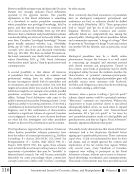
Fiscal Arbitrators subject appeals in both the Datasets
decided by the Court were rarely successful, both
for appellants who retained a representative, or who
self-represented. The success rate for self-represented
versus represented litigants was statistically different
for appellants in the Docket Dataset, but not the
Decision Dataset:
• Decision Dataset, SRL v Represented -x2(1,
N=63)=2.625, p=0.105
• Docket Dataset, SRL v Represented -x2(1,
N=123)=5.901, p=0.0151.
A very large majority (85.9%, n=56) of the Decision
Dataset appeals can be classified as “conventional,” in
that the taxpayer did not dispute that he or she had filed
income tax returns that contained false information. In
these instances, typically the only issue that remained
was whether or not that misconduct by the taxpayer
was “gross negligence” that warranted Income Tax Act
section 163(2) penalties.
The Decision Dataset also provides information
concerning the nine Fiscal Arbitrators customers who
continued to argue unconventional and pseudolaw
bases for why their income tax returns were legally
correct, despite having ample opportunity to examine
and abandon pseudolaw. Three Fiscal Arbitrators
appeals were terminated as legally hopeless and/or
for employing pseudolaw strategies (Dalle Rive v The
Queen, 2013 TCC 243 Dillon v The Queen, 2013
TCC 242 Haynes v The Queen, 2013 TCC 185). Fiscal
Arbitrators promoters Lachapelle and Watts appeared
at the Tax Court of Canada as an agent or witness, and
unsuccessfully argued the Fiscal Arbitrators Strawman
scheme was legally correct (Robert v The Queen,