ISSN: 2710-4028 DOI: doi.org/10.54208/1000/0006 111
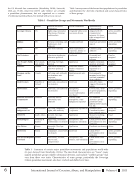
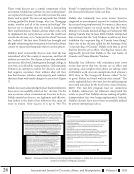
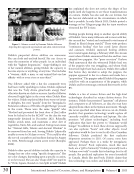
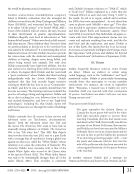
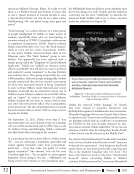
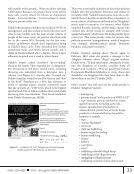
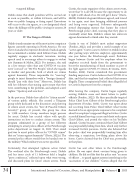
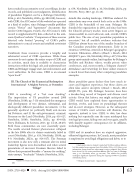
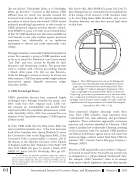
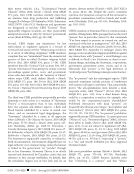
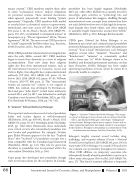
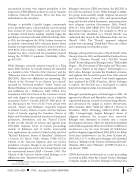
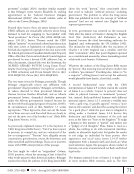
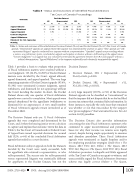
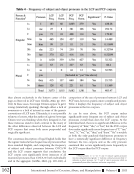
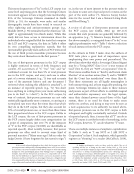
Table 4 -Table of introduction and recruitment mechanisms reported by Fiscal Arbitrators Decision Database
taxpayers (N=53). The total number of items in this table is greater than 53 since certain taxpayers reported multiple
introduction and recruitment mechanisms. The tax preparer in both instances was Fiscal Arbitrator promoter
Carlton Branch.
A striking aspect of Table 4 is that in practically each
case, the taxpayer was introduced to Fiscal Arbitrators
via a pre-existing relationship with someone who was
not a Fiscal Arbitrators guru. Sometimes that link had
a financial, business, or professional aspect (15.1%,
N=53). A substantial fraction (20.8%, N=53) of the
Fiscal Arbitrators Decision Dataset taxpayers were
already involved in questionable income tax practices,
and simply expanded on that pre-existing activity.
However, the majority of new Fiscal Arbitrators
clientele had been essentially lawful taxpayers, until
they were introduced by friends, family members, or
coworkers to the extraordinary promised benefits of
this pseudolaw tax avoidance program.
A consistent narrative emerges in Decision Dataset
reports on how taxpayers interacted with Fiscal
Arbitrators. Fiscal Arbitrators taxpayers entirely relied
on promoters and/or contacts to prepare income
tax returns. Customers handed their tax-related
information and prior tax returns to Fiscal Arbitrators.
Fiscal Arbitrators prepared and provided the income
tax return paperwork that claimed the false Strawman
business expenses. Fiscal Arbitrators customers were
told to sign those documents, and add “per” prior
to their signature. If the CRA wrote the taxpayer,
taxpayers were told to hand over that correspondence
to their Fiscal Arbitrators contact(s).
Almost half of Fiscal Arbitrators taxpayers explained
in their testimony that they trusted Fiscal Arbitrators
promoters who they believed were income tax experts
(48.4%, n=32). However, the basis for that belief is
tenuous. Only a third (31.8%, n=21) of the taxpayers
described formal meetings or seminars where the
Fiscal Arbitrators scheme was presented and explained.
Rarely (13.6%, n=9) are the promoters described
as acting in a manner and/or dressing like financial
or legal professionals. Only 7.6% (n=5) of Fiscal
Arbitrators customers described attending an office
or other business location. This last point is one that
Tax Court of Canada justices repeatedly identified as
a potential reason to question the validity of a scheme
that promised huge tax advantages. For example, why
would a tax preparer, who possesses expert, if not secret
knowledge, be meeting customers in a Tim Hortons
(Anderson v The Queen, 2016 TCC 93), or a “Dave and
Busters” restaurant/games arcade (Sledge v The Queen,
2016 TCC 100), or a coffee shop (Mahdi v The Queen,
2018 TCC 149)?
There were rare instances where the Tax Court of
Canada did conclude the circumstances around Fiscal
Arbitrators recruitment provided a valid explanation
for a taxpayer adopting that strategy. For example, in
Lavoie v The Queen (2015 TCC 228), a taxpayer couple
who only spoke French attended Fiscal Arbitrators
Table 4 -Table of introduction and recruitment mechanisms reported by Fiscal Arbitrators Decision Database
taxpayers (N=53). The total number of items in this table is greater than 53 since certain taxpayers reported multiple
introduction and recruitment mechanisms. The tax preparer in both instances was Fiscal Arbitrator promoter
Carlton Branch.
A striking aspect of Table 4 is that in practically each
case, the taxpayer was introduced to Fiscal Arbitrators
via a pre-existing relationship with someone who was
not a Fiscal Arbitrators guru. Sometimes that link had
a financial, business, or professional aspect (15.1%,
N=53). A substantial fraction (20.8%, N=53) of the
Fiscal Arbitrators Decision Dataset taxpayers were
already involved in questionable income tax practices,
and simply expanded on that pre-existing activity.
However, the majority of new Fiscal Arbitrators
clientele had been essentially lawful taxpayers, until
they were introduced by friends, family members, or
coworkers to the extraordinary promised benefits of
this pseudolaw tax avoidance program.
A consistent narrative emerges in Decision Dataset
reports on how taxpayers interacted with Fiscal
Arbitrators. Fiscal Arbitrators taxpayers entirely relied
on promoters and/or contacts to prepare income
tax returns. Customers handed their tax-related
information and prior tax returns to Fiscal Arbitrators.
Fiscal Arbitrators prepared and provided the income
tax return paperwork that claimed the false Strawman
business expenses. Fiscal Arbitrators customers were
told to sign those documents, and add “per” prior
to their signature. If the CRA wrote the taxpayer,
taxpayers were told to hand over that correspondence
to their Fiscal Arbitrators contact(s).
Almost half of Fiscal Arbitrators taxpayers explained
in their testimony that they trusted Fiscal Arbitrators
promoters who they believed were income tax experts
(48.4%, n=32). However, the basis for that belief is
tenuous. Only a third (31.8%, n=21) of the taxpayers
described formal meetings or seminars where the
Fiscal Arbitrators scheme was presented and explained.
Rarely (13.6%, n=9) are the promoters described
as acting in a manner and/or dressing like financial
or legal professionals. Only 7.6% (n=5) of Fiscal
Arbitrators customers described attending an office
or other business location. This last point is one that
Tax Court of Canada justices repeatedly identified as
a potential reason to question the validity of a scheme
that promised huge tax advantages. For example, why
would a tax preparer, who possesses expert, if not secret
knowledge, be meeting customers in a Tim Hortons
(Anderson v The Queen, 2016 TCC 93), or a “Dave and
Busters” restaurant/games arcade (Sledge v The Queen,
2016 TCC 100), or a coffee shop (Mahdi v The Queen,
2018 TCC 149)?
There were rare instances where the Tax Court of
Canada did conclude the circumstances around Fiscal
Arbitrators recruitment provided a valid explanation
for a taxpayer adopting that strategy. For example, in
Lavoie v The Queen (2015 TCC 228), a taxpayer couple
who only spoke French attended Fiscal Arbitrators