International Journal of Coercion, Abuse, and Manipulation Volume 6 2023 108
Comparatively few Fiscal Arbitrators Decision Dataset
clients reported they had previously prepared their
own income tax returns (15.2%, N=46).
B. Fiscal Arbitrators Actors and Activity
No comprehensive public record of Fiscal Arbitrators
operations and activity exists. That said, the Decision
and Docket Datasets provide some useful indirect
evidence of how the Fiscal Arbitrators scheme operated.
53 Decision Dataset appeals identified who prepared
income tax returns, and/or promoted services. Certain
names appear multiple times:
• Larry Watts -21
• Muntaz Rasool -14
• Carlton Branch -7
• Christian Lachapelle -4
• Philippe Joanisse -4
• John Gillespie -2
• Roual McGann -2.
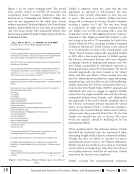
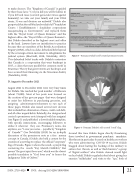
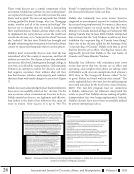
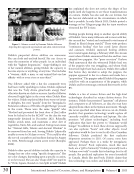
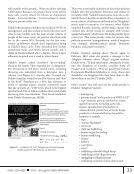
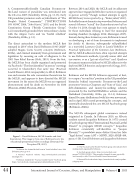
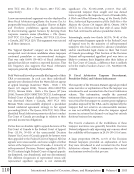
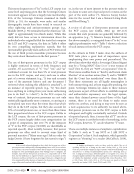
Figure 1 -Number of income tax returns by Decision Dataset
taxpayers that employed Fiscal Arbitrators business losses, filed
by income tax year (N=76). Some taxpayers filed income tax
returns in more than one year. Values reported on this graph do
not include “claims back” to prior income tax years.
The large majority (83.3%, N=60) of Fiscal Arbitrators
Decision Dataset customers made only one income
tax return that applied Fiscal Arbitrators concepts.
This pattern of tax returns suggests Fiscal Arbitrators
underwent a rapid and dramatic expansion in operations
circa 2008-2009, then imploded. The low incidence of
“repeat customers” implies that the interrogatory and
negative responses from the CRA in response to Fiscal
Arbitrators tax filings caused taxpayers to change tax
strategy, and thus had a significant deterrent effect.
The false Strawman business expenses claimed by
Fiscal Arbitrators almost always greatly exceeded the
legitimate income of the taxpayer in the individual tax
year. The “excess loss” was then frequently (87%, N=54)
applied to retroactively cancel income in earlier tax
years. Most Decision Dataset taxpayers (84.1%, N=44)
sought three years of retroactive claims.
C. Fiscal Arbitrators Tax Court of Canada Appeals
and Appeal Outcomes
The Decision and Docket Datasets included 64 and 507
Tax Court of Canada appeals, respectively. The Decision
Dataset also included two Federal Court of Canada
judicial reviews (Mior v Canada (Attorney General),
2019 FC 321 Mior v Canada (Attorney General), 2019
FC 322) where the Applicants unsuccessfully sought a
judicial review of the CRA enforcing gross negligence
penalties. These two Federal Court proceedings are
not included in the analysis in this part.
Of the 64 Decision Dataset appeals, 55 were general
proceeding appeals, and 9 were informal proceeding
appeals. Informal proceedings are simplified appeals
where less than $25,000 in tax obligations are under
dispute.
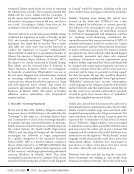
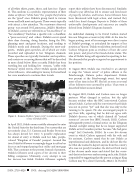
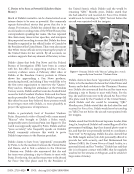
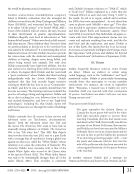
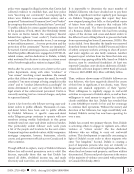
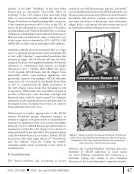
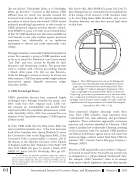
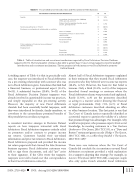
Figure 2 illustrates the chronological distribution of
Fiscal Arbitrators Tax Court of Canada appeal filing
dates for the Decision and Docket Datasets:
Figure 2 -Chronological distribution by year of filing dates for
Fiscal Arbitrators Tax Court of Canada appeals for Decision
Dataset (N=64) (left y-axis) and Docket Dataset (N=507) (right
y-axis) appeals.
The filing dates for both Datasets cluster several years
after the identified Fiscal Arbitrators tax return dates
(Figure 1), as would be anticipated given the time
limited deadlines for non-court administrative, and
then Tax Court of Canada, tax dispute proceedings.
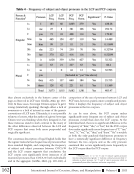
Table 3 summarizes the outcomes and/or status of the
Decision and Docket Dataset appeals:
Comparatively few Fiscal Arbitrators Decision Dataset
clients reported they had previously prepared their
own income tax returns (15.2%, N=46).
B. Fiscal Arbitrators Actors and Activity
No comprehensive public record of Fiscal Arbitrators
operations and activity exists. That said, the Decision
and Docket Datasets provide some useful indirect
evidence of how the Fiscal Arbitrators scheme operated.
53 Decision Dataset appeals identified who prepared
income tax returns, and/or promoted services. Certain
names appear multiple times:
• Larry Watts -21
• Muntaz Rasool -14
• Carlton Branch -7
• Christian Lachapelle -4
• Philippe Joanisse -4
• John Gillespie -2
• Roual McGann -2.
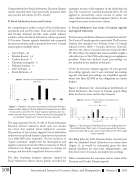
Figure 1 -Number of income tax returns by Decision Dataset
taxpayers that employed Fiscal Arbitrators business losses, filed
by income tax year (N=76). Some taxpayers filed income tax
returns in more than one year. Values reported on this graph do
not include “claims back” to prior income tax years.
The large majority (83.3%, N=60) of Fiscal Arbitrators
Decision Dataset customers made only one income
tax return that applied Fiscal Arbitrators concepts.
This pattern of tax returns suggests Fiscal Arbitrators
underwent a rapid and dramatic expansion in operations
circa 2008-2009, then imploded. The low incidence of
“repeat customers” implies that the interrogatory and
negative responses from the CRA in response to Fiscal
Arbitrators tax filings caused taxpayers to change tax
strategy, and thus had a significant deterrent effect.
The false Strawman business expenses claimed by
Fiscal Arbitrators almost always greatly exceeded the
legitimate income of the taxpayer in the individual tax
year. The “excess loss” was then frequently (87%, N=54)
applied to retroactively cancel income in earlier tax
years. Most Decision Dataset taxpayers (84.1%, N=44)
sought three years of retroactive claims.
C. Fiscal Arbitrators Tax Court of Canada Appeals
and Appeal Outcomes
The Decision and Docket Datasets included 64 and 507
Tax Court of Canada appeals, respectively. The Decision
Dataset also included two Federal Court of Canada
judicial reviews (Mior v Canada (Attorney General),
2019 FC 321 Mior v Canada (Attorney General), 2019
FC 322) where the Applicants unsuccessfully sought a
judicial review of the CRA enforcing gross negligence
penalties. These two Federal Court proceedings are
not included in the analysis in this part.
Of the 64 Decision Dataset appeals, 55 were general
proceeding appeals, and 9 were informal proceeding
appeals. Informal proceedings are simplified appeals
where less than $25,000 in tax obligations are under
dispute.
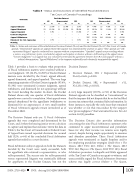
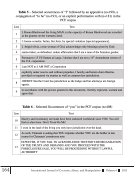
Figure 2 illustrates the chronological distribution of
Fiscal Arbitrators Tax Court of Canada appeal filing
dates for the Decision and Docket Datasets:
Figure 2 -Chronological distribution by year of filing dates for
Fiscal Arbitrators Tax Court of Canada appeals for Decision
Dataset (N=64) (left y-axis) and Docket Dataset (N=507) (right
y-axis) appeals.
The filing dates for both Datasets cluster several years
after the identified Fiscal Arbitrators tax return dates
(Figure 1), as would be anticipated given the time
limited deadlines for non-court administrative, and
then Tax Court of Canada, tax dispute proceedings.
Table 3 summarizes the outcomes and/or status of the
Decision and Docket Dataset appeals: