International Journal of Coercion, Abuse, and Manipulation Volume 6 2023 162
than almost exclusively in the bottom center of the
page as observed in LCF texts (Griffin, 2022, pp. 183–
184). In these cases, Sovereign Citizens appear to get it
wrong (imitatively speaking) through either a lack of
awareness or a lack of interest in some of the generic
conventions of LCF texts. Ultimately, it is not possible
to know, of course, what the author of a given Sovereign
Citizen text was thinking when they designed it, but
these instances stand in stark contrast to the many of
the other differences observed between the LCF and
PCF corpora that seem both more purposeful and
magically significant.
The consensus description of legal English holds that
the register makes far less frequent use of pronouns than
does standard English, and comparing the frequency
of subject and object pronouns between COCA-W
and the LCF corpus supports that conclusion: the
LCF corpus uses significantly fewer instances of all
examined pronouns than COCA-W both individually
and in the aggregate (Griffin, 2022, pp. 103–106). A
1
comparison of the use of pronouns between LCF and
PCF texts, however, paints a more complicated picture.
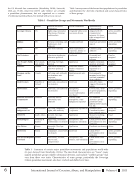
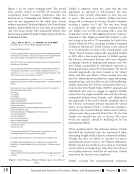
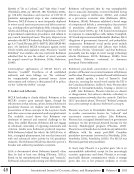
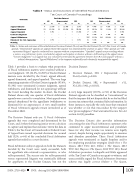
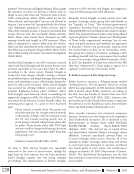
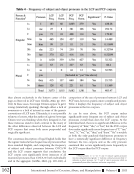
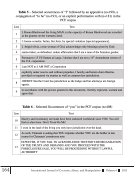
Table 4 displays the frequency of subject and object
pronouns in the two corpora.
As can be seen above, the PCF corpus makes
significantly more frequent use of subject and object
pronouns overall than does the LCF corpus. At the
individual level, there is no significant difference in the
frequency of “him,” “she,” or “her,” but the PCF corpus
does make significantly more frequent use of “I,” “me,”
“you,” “it,” “we,” “us,” “they,” and “them.” “He” is notable
as both the only gendered third-person pronoun to
have a statistically significant difference in frequency
between the two corpora and as the only pronoun
examined that occurs significantly more frequently in
the LCF corpus than the PCF corpus.
9 Where present, “s”, “o”, “m”, “f”, and “n” indicate a given pronoun’s
function and grammatical gender. “s” indicates a subject pronoun while “o”
indicates an object pronoun. “m”, “f”, and “n” refer to pronouns which are
grammatically masculine, feminine, and neuter, respectively.
than almost exclusively in the bottom center of the
page as observed in LCF texts (Griffin, 2022, pp. 183–
184). In these cases, Sovereign Citizens appear to get it
wrong (imitatively speaking) through either a lack of
awareness or a lack of interest in some of the generic
conventions of LCF texts. Ultimately, it is not possible
to know, of course, what the author of a given Sovereign
Citizen text was thinking when they designed it, but
these instances stand in stark contrast to the many of
the other differences observed between the LCF and
PCF corpora that seem both more purposeful and
magically significant.
The consensus description of legal English holds that
the register makes far less frequent use of pronouns than
does standard English, and comparing the frequency
of subject and object pronouns between COCA-W
and the LCF corpus supports that conclusion: the
LCF corpus uses significantly fewer instances of all
examined pronouns than COCA-W both individually
and in the aggregate (Griffin, 2022, pp. 103–106). A
1
comparison of the use of pronouns between LCF and
PCF texts, however, paints a more complicated picture.
Table 4 displays the frequency of subject and object
pronouns in the two corpora.
As can be seen above, the PCF corpus makes
significantly more frequent use of subject and object
pronouns overall than does the LCF corpus. At the
individual level, there is no significant difference in the
frequency of “him,” “she,” or “her,” but the PCF corpus
does make significantly more frequent use of “I,” “me,”
“you,” “it,” “we,” “us,” “they,” and “them.” “He” is notable
as both the only gendered third-person pronoun to
have a statistically significant difference in frequency
between the two corpora and as the only pronoun
examined that occurs significantly more frequently in
the LCF corpus than the PCF corpus.
9 Where present, “s”, “o”, “m”, “f”, and “n” indicate a given pronoun’s
function and grammatical gender. “s” indicates a subject pronoun while “o”
indicates an object pronoun. “m”, “f”, and “n” refer to pronouns which are
grammatically masculine, feminine, and neuter, respectively.