ISSN: 2710-4028 DOI: doi.org/10.54208/1000/0006 47
include: 1) the 2001 “Rebellion” of the New Rebel
Barons had no discernable “real-world” effect on
anything 2) the 1215 Magna Carta died with King
John 3) courts world-wide conclude that the various
Magna Cartas have no legally binding effect, except for
a few remnant provisions still in force in the UK 4)
Article 61 provided rights to certain select UK nobles,
not individuals and 5) Queen Elizabeth II’s Coronation
Oath has no relationship to state authority. Robinson or
Phoenix made no substantive reply or rebuttal to any
of the many defects identified in AVI v MHVB, 2020
ABQB 489, or other critical and unfavorable analyses.
Netolitzky (2018b) contrasts pseudolaw that is a “legal
error”--a spurious interpretation of an actual legal rule
or text--with “otherlaw”--ungrounded pseudolaw that
operates as magic. MCLR theories fall into the latter
category they have no tangible foundation. Robinson’s
references to conventional legal sources are simply
fabrications (AVI v MHVB, 2020 ABQB 489, paras.
79-83). Instead, MCLR claims that the Magna Carta
supposedly retains some modern significance are,
generously, tenuous. For example, MCLR adherents
claim that a £2 coin issued by the British Royal Mint
in 2015 to commemorate the 800th anniversary of
the 1215 Magna Carta means that document is still
in operation. What makes this foundation of sand so
peculiar is that many court decisions, and legal and
historical texts, could be “quote mined” for dramatic
statements on the ongoing relevance and importance of
the Magna Cartas. Strangely, that reliance on citations
from authorities does not occur.
Enforcement is another gaping hole in the MCLR
scheme. Pseudolaw groups sometimes imagine or
attempt to organize new government or administrative
structures to implement their new society (Netolitzky,
2021, pp. 172-175). MCLR theories provide literally no
explanation of how the 1215 Magna Carta Article 61
authority would be put into effect. The logical solution
is the New Rebel Barons act as leaders. Instead, MCLR
documents only make vague threats of “Nuremburg”
and “the Gallows.” Even the “Lobby the Bobby”
campaign simply passes operational social control to
somebody else.
D. Social Objectives
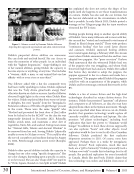
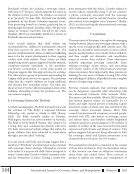
The “lawful rebellion” and re-ordering of society
evoked in core MCLR materials, and the “real-world”
issues identified and advanced by MCLR adherents, are
almost entirely unconnected. Robinson’s and Phoenix’s
documents and rhetoric promise social revolution,
and mass executions of politicians, state authorities,
judges, police, and anyone else who resists exercise of
an essentially undefined Magna Carta authority.
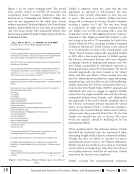
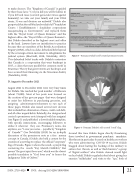
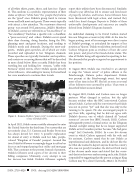
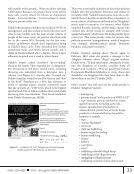
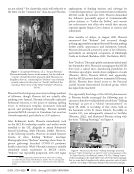
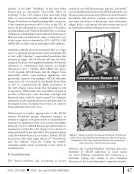
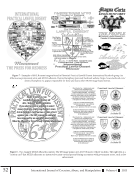
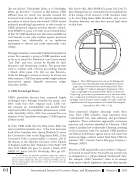
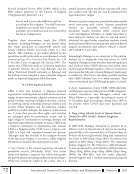
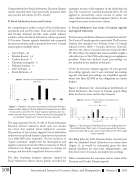
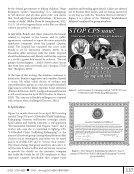
Figure 5 -Images posted by Robinson (Robinson, 2019b) and
in the Practical Lawful Dissent International Facebook group
(Humphrey, 2021) that explicitly illustrate the overarching
stated objective of the MCLR movement.
However, the “Lawful Rebellion” personal objectives
identified by MCLR adherents in social media
are much different. Sometimes that resistance is a
wholesale “opting out,” similar to how Canadian
Freemen-on-the-Land demanded a personal parasitic
include: 1) the 2001 “Rebellion” of the New Rebel
Barons had no discernable “real-world” effect on
anything 2) the 1215 Magna Carta died with King
John 3) courts world-wide conclude that the various
Magna Cartas have no legally binding effect, except for
a few remnant provisions still in force in the UK 4)
Article 61 provided rights to certain select UK nobles,
not individuals and 5) Queen Elizabeth II’s Coronation
Oath has no relationship to state authority. Robinson or
Phoenix made no substantive reply or rebuttal to any
of the many defects identified in AVI v MHVB, 2020
ABQB 489, or other critical and unfavorable analyses.
Netolitzky (2018b) contrasts pseudolaw that is a “legal
error”--a spurious interpretation of an actual legal rule
or text--with “otherlaw”--ungrounded pseudolaw that
operates as magic. MCLR theories fall into the latter
category they have no tangible foundation. Robinson’s
references to conventional legal sources are simply
fabrications (AVI v MHVB, 2020 ABQB 489, paras.
79-83). Instead, MCLR claims that the Magna Carta
supposedly retains some modern significance are,
generously, tenuous. For example, MCLR adherents
claim that a £2 coin issued by the British Royal Mint
in 2015 to commemorate the 800th anniversary of
the 1215 Magna Carta means that document is still
in operation. What makes this foundation of sand so
peculiar is that many court decisions, and legal and
historical texts, could be “quote mined” for dramatic
statements on the ongoing relevance and importance of
the Magna Cartas. Strangely, that reliance on citations
from authorities does not occur.
Enforcement is another gaping hole in the MCLR
scheme. Pseudolaw groups sometimes imagine or
attempt to organize new government or administrative
structures to implement their new society (Netolitzky,
2021, pp. 172-175). MCLR theories provide literally no
explanation of how the 1215 Magna Carta Article 61
authority would be put into effect. The logical solution
is the New Rebel Barons act as leaders. Instead, MCLR
documents only make vague threats of “Nuremburg”
and “the Gallows.” Even the “Lobby the Bobby”
campaign simply passes operational social control to
somebody else.
D. Social Objectives
The “lawful rebellion” and re-ordering of society
evoked in core MCLR materials, and the “real-world”
issues identified and advanced by MCLR adherents, are
almost entirely unconnected. Robinson’s and Phoenix’s
documents and rhetoric promise social revolution,
and mass executions of politicians, state authorities,
judges, police, and anyone else who resists exercise of
an essentially undefined Magna Carta authority.
Figure 5 -Images posted by Robinson (Robinson, 2019b) and
in the Practical Lawful Dissent International Facebook group
(Humphrey, 2021) that explicitly illustrate the overarching
stated objective of the MCLR movement.
However, the “Lawful Rebellion” personal objectives
identified by MCLR adherents in social media
are much different. Sometimes that resistance is a
wholesale “opting out,” similar to how Canadian
Freemen-on-the-Land demanded a personal parasitic