International Journal of Coercion, Abuse, and Manipulation Volume 6 2023 158
in the implications of that difference for the study of the
Sovereign Citizen movement and of pseudolaw more
broadly.
It is worth clarifying here that the use of the terms
“legitimate” and “pseudolegal,” as well as “magical”
and “supernatural,” in this article is not intended to
communicate any sort of moral evaluation instead,
these terms are meant to convey how the documents
examined below are viewed from the perspectives of
those representing the legal system or belonging to the
Sovereign Citizen movement. Texts written by lawyers
are deemed “legitimate” because they fit within the
parameters that are expected of a document operating in
the legal system, while texts written by Sovereign Citizens
are “pseudolegal” because they are written in the style of
legitimate legal texts while being grounded in theories
which the legal system (i.e. the grantor of legitimacy in
this context) regards as meritless (Netolitzky, 2023b,
p. 2). Similarly, texts written by Sovereign Citizens
can be considered “magic” or “supernatural” because,
as was discussed above, they are ultimately grounded
in a supernatural understanding of the legal system.
There are a number of ontological issues that arise
when attempting to define a self-regulating field such
as law (Harris &Hutton, 2007, pp. 133-156) or, indeed,
magic. Fortunately, it is sufficient for present purposes
to simply say that something is legal or magical based
on its reception by the community that is best situated
to deem it so. Notably, a Sovereign Citizen text can be
properly considered magic in this way even if its author
would not explicitly recognize it as such the key factor
on that front is whether the author was operating in
line with the magical view of the legal system outlined
above.
III. Methodology
This study examines the relationship between two
intriguingly related sets of documents: Sovereign
Citizen pseudolegal courtroom filings (“PCFs”) and
legitimate courtroom filings (“LCFs”). It does so
via a corpus-assisted multimodal discourse analysis
(“CAMDA”) approach, a combination of linguistic
methodologies that involves “a large-scale analysis
of relevant semiotic systems using a corpus” and “a
detailed, close-reading analysis of selected texts [from
that corpus]” (Bednarek &Caple, 2014, p. 151). As the
name implies, CAMDA uses corpus linguistic methods
to supplement the analysis of multimodal discourse.
Corpus linguistics refers to “that set of studies into the
form and/or function of language which incorporate
the use of computerised corpora in their analyses”
(Partington, 2013, p. 5), where a corpus is “a principled
collection of language data taken from real life
contexts” (Knight &Adolphs, 2020, p. 353).5
1
The use
of such quantitative techniques allows a researcher to
“[conduct] an empirical analysis of language” (Gries
&Paquot, 2020, p. 647) that provides “more neutral
starting points and generalizability” of results (Marchi
&Taylor, 2018, p. 4) when analyzing data than is
generally possible with a purely qualitative study. When
the variety of discourse being examined is either un-
or under-explored, as is the case with both Sovereign
Citizen pseudolegal discourse and the register of legal
English more generally, corpus linguistic techniques
help a researcher identify features of that discourse that
may be particularly distinctive or otherwise important
to their analysis. While the term “discourse” is used in
different senses in different areas of academia (Baker,
2006, pp. 3–5), for the purposes of this study it can
be understood to mean “how language is put to use”
(Bednarek &Caple, 2012, p. 2 see also Partington
&Marchi, 2015, p. 216). The discourse of PCFs and
LCFs is considered “multimodal” because of the way in
which both groups of documents integrate meaningful
visual elements (e.g., through the use of bolding or the
integration of images in addition to text).
To examine the relationship between Sovereign Citizen
pseudolegal discourse and legitimate legal discourse,
two corpora were created: a corpus of legitimate legal
documents filed in court written by actual attorneys
(the legitimate courtroom filing or “LCF” corpus)
and a corpus of pseudolegal documents filed in
court written by Sovereign Citizens (the pseudolegal
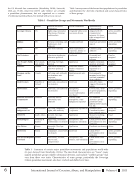
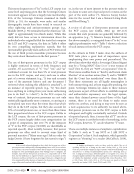
courtroom filing or “PCF” corpus). The contents of the
two corpora are summarized below in Table 1:
5 While essentially defining corpus linguistics as “linguistics which
makes use as a corpus” may seem at first undesirably circular, it serves to
highlight an important point: namely, that “corpus linguistics” refers to a
set of quantitative methodological techniques rather than to any particular
theory of language (McEnery &Hardie, 2012, pp. 1–3).
6 Technically this combination of writing and image is “multisemiotic”
rather than “multimodal” (with the latter description requiring the
combination of multiple perceptual modalities, such as audio and visual
components) but it is “general practice” (Bednarek, 2015, p. 66) in linguistics
to use the term “multimodal” to refer to both multimodal and multisemiotic
content (see, e.g., Malamatidou (2020, p. 85), which defines multimodality
“as the combination of two or more semiotic resources (including language)
within a particular communication event”).
in the implications of that difference for the study of the
Sovereign Citizen movement and of pseudolaw more
broadly.
It is worth clarifying here that the use of the terms
“legitimate” and “pseudolegal,” as well as “magical”
and “supernatural,” in this article is not intended to
communicate any sort of moral evaluation instead,
these terms are meant to convey how the documents
examined below are viewed from the perspectives of
those representing the legal system or belonging to the
Sovereign Citizen movement. Texts written by lawyers
are deemed “legitimate” because they fit within the
parameters that are expected of a document operating in
the legal system, while texts written by Sovereign Citizens
are “pseudolegal” because they are written in the style of
legitimate legal texts while being grounded in theories
which the legal system (i.e. the grantor of legitimacy in
this context) regards as meritless (Netolitzky, 2023b,
p. 2). Similarly, texts written by Sovereign Citizens
can be considered “magic” or “supernatural” because,
as was discussed above, they are ultimately grounded
in a supernatural understanding of the legal system.
There are a number of ontological issues that arise
when attempting to define a self-regulating field such
as law (Harris &Hutton, 2007, pp. 133-156) or, indeed,
magic. Fortunately, it is sufficient for present purposes
to simply say that something is legal or magical based
on its reception by the community that is best situated
to deem it so. Notably, a Sovereign Citizen text can be
properly considered magic in this way even if its author
would not explicitly recognize it as such the key factor
on that front is whether the author was operating in
line with the magical view of the legal system outlined
above.
III. Methodology
This study examines the relationship between two
intriguingly related sets of documents: Sovereign
Citizen pseudolegal courtroom filings (“PCFs”) and
legitimate courtroom filings (“LCFs”). It does so
via a corpus-assisted multimodal discourse analysis
(“CAMDA”) approach, a combination of linguistic
methodologies that involves “a large-scale analysis
of relevant semiotic systems using a corpus” and “a
detailed, close-reading analysis of selected texts [from
that corpus]” (Bednarek &Caple, 2014, p. 151). As the
name implies, CAMDA uses corpus linguistic methods
to supplement the analysis of multimodal discourse.
Corpus linguistics refers to “that set of studies into the
form and/or function of language which incorporate
the use of computerised corpora in their analyses”
(Partington, 2013, p. 5), where a corpus is “a principled
collection of language data taken from real life
contexts” (Knight &Adolphs, 2020, p. 353).5
1
The use
of such quantitative techniques allows a researcher to
“[conduct] an empirical analysis of language” (Gries
&Paquot, 2020, p. 647) that provides “more neutral
starting points and generalizability” of results (Marchi
&Taylor, 2018, p. 4) when analyzing data than is
generally possible with a purely qualitative study. When
the variety of discourse being examined is either un-
or under-explored, as is the case with both Sovereign
Citizen pseudolegal discourse and the register of legal
English more generally, corpus linguistic techniques
help a researcher identify features of that discourse that
may be particularly distinctive or otherwise important
to their analysis. While the term “discourse” is used in
different senses in different areas of academia (Baker,
2006, pp. 3–5), for the purposes of this study it can
be understood to mean “how language is put to use”
(Bednarek &Caple, 2012, p. 2 see also Partington
&Marchi, 2015, p. 216). The discourse of PCFs and
LCFs is considered “multimodal” because of the way in
which both groups of documents integrate meaningful
visual elements (e.g., through the use of bolding or the
integration of images in addition to text).
To examine the relationship between Sovereign Citizen
pseudolegal discourse and legitimate legal discourse,
two corpora were created: a corpus of legitimate legal
documents filed in court written by actual attorneys
(the legitimate courtroom filing or “LCF” corpus)
and a corpus of pseudolegal documents filed in
court written by Sovereign Citizens (the pseudolegal
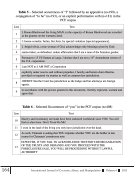
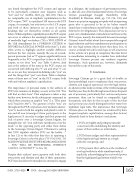
courtroom filing or “PCF” corpus). The contents of the
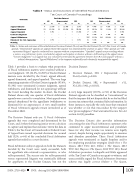
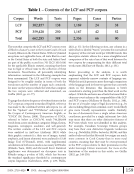
two corpora are summarized below in Table 1:
5 While essentially defining corpus linguistics as “linguistics which
makes use as a corpus” may seem at first undesirably circular, it serves to
highlight an important point: namely, that “corpus linguistics” refers to a
set of quantitative methodological techniques rather than to any particular
theory of language (McEnery &Hardie, 2012, pp. 1–3).
6 Technically this combination of writing and image is “multisemiotic”
rather than “multimodal” (with the latter description requiring the
combination of multiple perceptual modalities, such as audio and visual
components) but it is “general practice” (Bednarek, 2015, p. 66) in linguistics
to use the term “multimodal” to refer to both multimodal and multisemiotic
content (see, e.g., Malamatidou (2020, p. 85), which defines multimodality
“as the combination of two or more semiotic resources (including language)
within a particular communication event”).