International Journal of Coercion, Abuse, and Manipulation Volume 6 2023 6
the US Moorish law communities (Netolitzky, 2018b Sarteschi,
2020, pp. 59-68), what Dew (2019) calls “Aliites,” are certainly
a pseudolaw phenomenon, but not organized on a counter-
revolutionary political basis, but instead with a focus on race.
Name Nation Political and Social
Orientation
Racial Orientation Additional Key
Characteristics
Status
Sovreign Citizens US Right-wing, nationalist,
Libertarian, Christian
traditionalists
Originally white racist,
now more diverse
Aligned with US
conspiratorial
interests, Q- Anon,
right-wing political
factions
Active, possibly
expanding
Militias US Firearms ownership, anti-
Federal, pro-state
authority
Usually irrelevant Some lack pseudolaw
aspects
Active, probably
expanding
Moors US Race-based identity Black supremacist /
separatist, Islamic or
Indian trappings
Criminal, gang-
affiliated
Active, probably
expanding
Tax Protesters US Libertarian tendencies,
otherwise apolitical
Irrelevant Promoted and
organized as a
business
Dead or
marginal
One People’s Public
Trust
US, Canada,
and Austria
Left-wing, New Age,
mystical
Egalitarian Highly ceremonial,
spiritual, irrational
Dead or
marginal
Detaxers Canada Libertarian tendencies,
otherwise apolitical
Some anti-Semitic
banker conspiracy
beliefs
Promoted and
organized as a
business
Dead
Freemen-on-the-
Land
Canada Left-wing, anti-authority
reactionaries, anti-
corporate,
anti-globalization
Egalitarian and anti-
racist
Predominantly
marginal social drop-
outs and criminals /
drug traffickers
Dead
Irish Freemen Republic of
Ireland
Anti-bank, anti-authority
reactionaries
Irrelevant Anti-debt claims
triggered by property
bubble
Dead
UK Freemen UK Anti-bank, anti-authority
reactionaries
Xenophobic,
secondarily
racist, traditionalist,
pro-Brexit
Low-income, “dole”
recipient population,
debt-oriented
Active, possibly
expanding
Australia Pseudolaw
Communities
Australia Politically diverse,
Libertarian, anti-
authority
Diverse, some
xenophobic, some
Indigenous separatist
No dominant
Australia- specific
pseudolaw style,
influenced by Canada,
US, UK
Active, possibly
expanding
New Zealand
Indigenous Law
New Zealand Left-wing, Indigenous
rights, anti-authority
Indigenous supremacist
/separatist
Resembles how
Canadian Freemen
have criminal aspect
Active but
marginal
UBUNTU South Africa Socialist, New Age,
communal
Egalitarian Money for nothing,
political party
Dead
Reichsbürgers Germany &
Austria
Right-wing, nationalist,
traditionalist, reactionary
Xenophobic, anti-
immigrant, anti-Islam
Claim previous state/
governments are true
authority
Active, possibly
expanding
One Nation France Separatist, New Age,
mystical
Egalitarian Pandemic reactionary Active
NeoSoviets Russia Communist, conservative,
reactionary
Irrelevant Claim Soviet
government is true
authority
Active, possibly
expanding
The Second Republic
of Poland
Poland Reactionary, socialist,
anti-vaccine,
conspiratorial
Xenophobic, anti-
Semitic, anti-Ukrainian
Claim Polish 1918-
1939
government is true
authority
Active, possibly
expanding
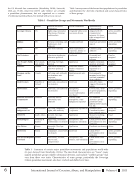
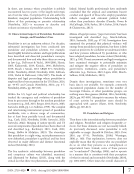
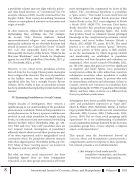
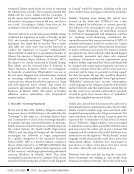
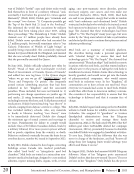
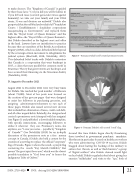
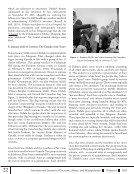
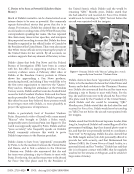
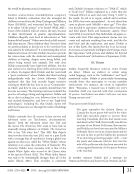
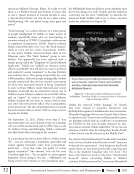
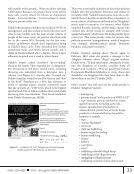
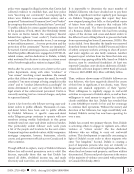
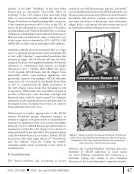
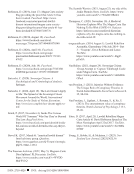
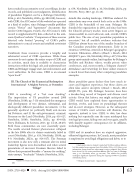
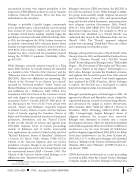
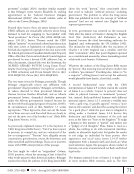
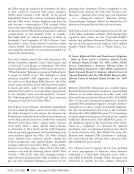
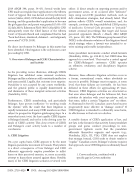
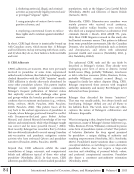
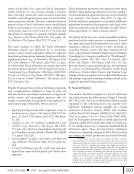
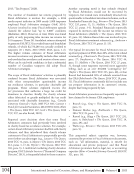
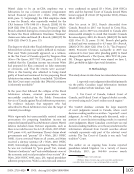
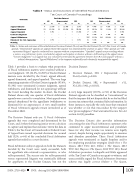
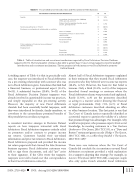
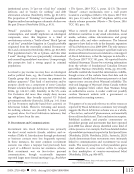
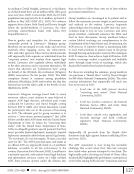
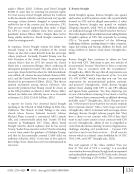
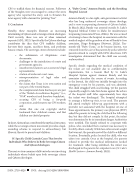
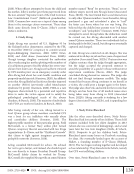
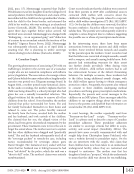
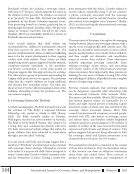
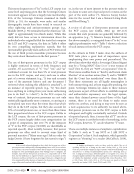
Table 1 surveys some of the known host populations for pseudolaw
and illustrates the diversity of political and social characteristics
of these groups:
Table 1 -Pseudolaw Groups and Movements Worldwide
Table 1 -Summary of certain major pseudolaw movements and populations world-wide
(in part derived from Netolitzky, 2023a). The described characteristics are “loose” many
named pseudolaw groups exhibit substantial diversity, and include “satellite groups” that
vary from these core traits. Characteristics of some groups, particularly the Sovereign
Citizen pseudolaw movement, also have evolved and shifted over time.
the US Moorish law communities (Netolitzky, 2018b Sarteschi,
2020, pp. 59-68), what Dew (2019) calls “Aliites,” are certainly
a pseudolaw phenomenon, but not organized on a counter-
revolutionary political basis, but instead with a focus on race.
Name Nation Political and Social
Orientation
Racial Orientation Additional Key
Characteristics
Status
Sovreign Citizens US Right-wing, nationalist,
Libertarian, Christian
traditionalists
Originally white racist,
now more diverse
Aligned with US
conspiratorial
interests, Q- Anon,
right-wing political
factions
Active, possibly
expanding
Militias US Firearms ownership, anti-
Federal, pro-state
authority
Usually irrelevant Some lack pseudolaw
aspects
Active, probably
expanding
Moors US Race-based identity Black supremacist /
separatist, Islamic or
Indian trappings
Criminal, gang-
affiliated
Active, probably
expanding
Tax Protesters US Libertarian tendencies,
otherwise apolitical
Irrelevant Promoted and
organized as a
business
Dead or
marginal
One People’s Public
Trust
US, Canada,
and Austria
Left-wing, New Age,
mystical
Egalitarian Highly ceremonial,
spiritual, irrational
Dead or
marginal
Detaxers Canada Libertarian tendencies,
otherwise apolitical
Some anti-Semitic
banker conspiracy
beliefs
Promoted and
organized as a
business
Dead
Freemen-on-the-
Land
Canada Left-wing, anti-authority
reactionaries, anti-
corporate,
anti-globalization
Egalitarian and anti-
racist
Predominantly
marginal social drop-
outs and criminals /
drug traffickers
Dead
Irish Freemen Republic of
Ireland
Anti-bank, anti-authority
reactionaries
Irrelevant Anti-debt claims
triggered by property
bubble
Dead
UK Freemen UK Anti-bank, anti-authority
reactionaries
Xenophobic,
secondarily
racist, traditionalist,
pro-Brexit
Low-income, “dole”
recipient population,
debt-oriented
Active, possibly
expanding
Australia Pseudolaw
Communities
Australia Politically diverse,
Libertarian, anti-
authority
Diverse, some
xenophobic, some
Indigenous separatist
No dominant
Australia- specific
pseudolaw style,
influenced by Canada,
US, UK
Active, possibly
expanding
New Zealand
Indigenous Law
New Zealand Left-wing, Indigenous
rights, anti-authority
Indigenous supremacist
/separatist
Resembles how
Canadian Freemen
have criminal aspect
Active but
marginal
UBUNTU South Africa Socialist, New Age,
communal
Egalitarian Money for nothing,
political party
Dead
Reichsbürgers Germany &
Austria
Right-wing, nationalist,
traditionalist, reactionary
Xenophobic, anti-
immigrant, anti-Islam
Claim previous state/
governments are true
authority
Active, possibly
expanding
One Nation France Separatist, New Age,
mystical
Egalitarian Pandemic reactionary Active
NeoSoviets Russia Communist, conservative,
reactionary
Irrelevant Claim Soviet
government is true
authority
Active, possibly
expanding
The Second Republic
of Poland
Poland Reactionary, socialist,
anti-vaccine,
conspiratorial
Xenophobic, anti-
Semitic, anti-Ukrainian
Claim Polish 1918-
1939
government is true
authority
Active, possibly
expanding
Table 1 surveys some of the known host populations for pseudolaw
and illustrates the diversity of political and social characteristics
of these groups:
Table 1 -Pseudolaw Groups and Movements Worldwide
Table 1 -Summary of certain major pseudolaw movements and populations world-wide
(in part derived from Netolitzky, 2023a). The described characteristics are “loose” many
named pseudolaw groups exhibit substantial diversity, and include “satellite groups” that
vary from these core traits. Characteristics of some groups, particularly the Sovereign
Citizen pseudolaw movement, also have evolved and shifted over time.