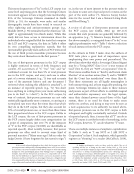
ISSN: 2710-4028 DOI: doi.org/10.54208/1000/0006 103
result of this false loss claim was Fiscal Arbitrators
clients reported no net income during a taxation
year, and often would also claim excessive losses that
would be carried back into prior years to create further
unwarranted tax refunds. The most common observed
pattern is that a Fiscal Arbitrators return would falsely
result in no income tax for year X, then retroactively
“carry back” losses to revise years X-1 to X-3 income
tax returns to (attempt to) generate baseless refunds
(e.g., Brisson v The Queen, 2013 TCC 235, paras. 14-
15 Mallette v The Queen, 2016 TCC 27, para. 1).
The exact manner in which the Fiscal Arbitrators
Strawman system was explained by its promoters
seems to have varied somewhat. Often the taxpayer
described a scheme whose language closely matches the
explanation above (e.g., De Gennaro v The Queen, 2016
TCC 108 Mallette v The Queen, 2016 TCC 27, para.
5). Other times Fiscal Arbitrators promoters described
the human as the “animator” for the Strawman entity, a
“corporation” (e.g., Brathwaite v The Queen, 2016 TCC
29, para. 12 Torres v The Queen, 2013 TCC 380, para.
53), or even as a “slave” (Khattar v The Queen, 2015
TCC 338, para. 10).
Besides Strawman Theory, Fiscal Arbitrators materials
and correspondence exhibited a range of what are
best described as pseudolaw ornaments or fingerprint
motifs, minor and meaningless practices that are
unique to pseudolaw, and probably best explained as
ceremonial magic (Netolitzky, 2018c), such as:
• applying postage stamps with a signature across to
documents (e.g., Gray v The Queen, 2016 TCC 54,
para. 13 Torres v The Queen, 2013 TCC 380, paras.
12, 20)
• citations to the US Uniform Commercial Code
(“UCC”) (e.g., Atutornu v The Queen, 2014 TCC
174, para. 24), which are meaningless and irrelevant
in a Canadian context (Meads v Meads, 2012 ABQB
571, paras. 150, 228)
• names signed in upper case letters and blue ink
(e.g., Mallette v The Queen, 2016 TCC 27, para. 8)
and
• a Fiscal Arbitrators-specific motif that taxpayers
signed their name with the prefix “per” before their
signature.
Fiscal Arbitrators promoters also appear to have made
baseless claims against government actors by a category
of foisted unilateral agreements known as fee schedules
(e.g., Lauzon v The Queen, 2016 TCC 71, para. 8).
Foisted unilateral agreements are factually ineffective
pseudolaw documents that purport to take legal effect
when no response occurs by a deadline, so that “silence
means agreement” or “silence means consent.”
The Fiscal Arbitrators tax evasion pseudolaw scheme
may have had an earlier parent or inspiration. Around
the same time that Fiscal Arbitrators was active, other
analogous schemes are known to have operated in
Canadian Detaxer circles. The best characterized of
these is the Kelowna, British Columbia based DeMara
Consulting Inc. program marketed as “The Remedy”
(Canada v Rattai, 2022 FCA 106 R v Stancer, 2016
BCSC 192 Rattai v The Queen, 2020 TCC 55). The
Remedy used the same underlying logic: the Strawman
as a source of tax deductions. However, unlike Fiscal
Arbitrators, Donna Marie Stancer and Deanna Lynn
LaValley, the key promoters who marketed The Remedy,
did attempt to ground Strawman business losses in the
taxpayer’s personal living expenses.
B. Fiscal Arbitrators
The earliest identified example of a Fiscal Arbitrators
tax return was for the 2005 tax year (Engel v Canada,
2017 FCA 122). The Fiscal Arbitrators scheme rapidly
expanded in the following years, but equally soon
imploded. Published reports identify two central
promoters: Lawrence (Larry) Watts and Aurelius
Carlton Branch (R v Branch, [2020] OJ No 2628 (QL)
(Ont Ct J), paras. 3-12 R v Watts, 2016 ONSC 4843,
para. 8). Paid agents sometimes recruited customers (R
v Branch, [2020] OJ No 2628 (QL) (Ont Ct J), paras. 4,
9, 13). Muntaz Rasool is a commonly identified Fiscal
Arbitrators agent. These principal Fiscal Arbitrators
actors were criminally charged in 2012-2013 for their
tax evasion and fraud2
1
promotion activities (Brownell,
2 In this article, false tax returns are described as “fraud,” “evasion,”
and “tax avoidance.” Use of these three terms relates to the type of court and
administrative sanctions and processes involved. Where a Fiscal Arbitrators
actor was subject to criminal prosecution, their illegal misconduct is
described as “evasion,” “fraud,” and “fraudulent,” since those are the offenses
of which the individual was charged and convicted. As far as is known, all
Fiscal Arbitrators criminal proceedings were directed to promoters. They
created “fraudulent” tax returns. However, individual taxpayers were only
subject to Income Tax Act “tax avoidance” penalties, rather than criminal
charges. As a consequence, individual taxpayer misconduct is usually
identified as “tax avoidance,” though, factually, the taxpayer’s activities could
legally meet the criteria for “evasion” and/or “fraud.”
result of this false loss claim was Fiscal Arbitrators
clients reported no net income during a taxation
year, and often would also claim excessive losses that
would be carried back into prior years to create further
unwarranted tax refunds. The most common observed
pattern is that a Fiscal Arbitrators return would falsely
result in no income tax for year X, then retroactively
“carry back” losses to revise years X-1 to X-3 income
tax returns to (attempt to) generate baseless refunds
(e.g., Brisson v The Queen, 2013 TCC 235, paras. 14-
15 Mallette v The Queen, 2016 TCC 27, para. 1).
The exact manner in which the Fiscal Arbitrators
Strawman system was explained by its promoters
seems to have varied somewhat. Often the taxpayer
described a scheme whose language closely matches the
explanation above (e.g., De Gennaro v The Queen, 2016
TCC 108 Mallette v The Queen, 2016 TCC 27, para.
5). Other times Fiscal Arbitrators promoters described
the human as the “animator” for the Strawman entity, a
“corporation” (e.g., Brathwaite v The Queen, 2016 TCC
29, para. 12 Torres v The Queen, 2013 TCC 380, para.
53), or even as a “slave” (Khattar v The Queen, 2015
TCC 338, para. 10).
Besides Strawman Theory, Fiscal Arbitrators materials
and correspondence exhibited a range of what are
best described as pseudolaw ornaments or fingerprint
motifs, minor and meaningless practices that are
unique to pseudolaw, and probably best explained as
ceremonial magic (Netolitzky, 2018c), such as:
• applying postage stamps with a signature across to
documents (e.g., Gray v The Queen, 2016 TCC 54,
para. 13 Torres v The Queen, 2013 TCC 380, paras.
12, 20)
• citations to the US Uniform Commercial Code
(“UCC”) (e.g., Atutornu v The Queen, 2014 TCC
174, para. 24), which are meaningless and irrelevant
in a Canadian context (Meads v Meads, 2012 ABQB
571, paras. 150, 228)
• names signed in upper case letters and blue ink
(e.g., Mallette v The Queen, 2016 TCC 27, para. 8)
and
• a Fiscal Arbitrators-specific motif that taxpayers
signed their name with the prefix “per” before their
signature.
Fiscal Arbitrators promoters also appear to have made
baseless claims against government actors by a category
of foisted unilateral agreements known as fee schedules
(e.g., Lauzon v The Queen, 2016 TCC 71, para. 8).
Foisted unilateral agreements are factually ineffective
pseudolaw documents that purport to take legal effect
when no response occurs by a deadline, so that “silence
means agreement” or “silence means consent.”
The Fiscal Arbitrators tax evasion pseudolaw scheme
may have had an earlier parent or inspiration. Around
the same time that Fiscal Arbitrators was active, other
analogous schemes are known to have operated in
Canadian Detaxer circles. The best characterized of
these is the Kelowna, British Columbia based DeMara
Consulting Inc. program marketed as “The Remedy”
(Canada v Rattai, 2022 FCA 106 R v Stancer, 2016
BCSC 192 Rattai v The Queen, 2020 TCC 55). The
Remedy used the same underlying logic: the Strawman
as a source of tax deductions. However, unlike Fiscal
Arbitrators, Donna Marie Stancer and Deanna Lynn
LaValley, the key promoters who marketed The Remedy,
did attempt to ground Strawman business losses in the
taxpayer’s personal living expenses.
B. Fiscal Arbitrators
The earliest identified example of a Fiscal Arbitrators
tax return was for the 2005 tax year (Engel v Canada,
2017 FCA 122). The Fiscal Arbitrators scheme rapidly
expanded in the following years, but equally soon
imploded. Published reports identify two central
promoters: Lawrence (Larry) Watts and Aurelius
Carlton Branch (R v Branch, [2020] OJ No 2628 (QL)
(Ont Ct J), paras. 3-12 R v Watts, 2016 ONSC 4843,
para. 8). Paid agents sometimes recruited customers (R
v Branch, [2020] OJ No 2628 (QL) (Ont Ct J), paras. 4,
9, 13). Muntaz Rasool is a commonly identified Fiscal
Arbitrators agent. These principal Fiscal Arbitrators
actors were criminally charged in 2012-2013 for their
tax evasion and fraud2
1
promotion activities (Brownell,
2 In this article, false tax returns are described as “fraud,” “evasion,”
and “tax avoidance.” Use of these three terms relates to the type of court and
administrative sanctions and processes involved. Where a Fiscal Arbitrators
actor was subject to criminal prosecution, their illegal misconduct is
described as “evasion,” “fraud,” and “fraudulent,” since those are the offenses
of which the individual was charged and convicted. As far as is known, all
Fiscal Arbitrators criminal proceedings were directed to promoters. They
created “fraudulent” tax returns. However, individual taxpayers were only
subject to Income Tax Act “tax avoidance” penalties, rather than criminal
charges. As a consequence, individual taxpayer misconduct is usually
identified as “tax avoidance,” though, factually, the taxpayer’s activities could
legally meet the criteria for “evasion” and/or “fraud.”