ISSN: 2710-4028 DOI: doi.org/10.54208/1000/0006 107
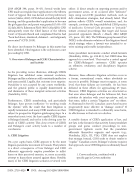
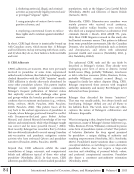
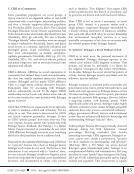
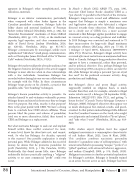
test using a 0.05 significance (p) level. The chi-squared
test calculates the probability (p) that the different
frequencies that two or more populations exhibit
characteristics is the result of random chance.
III. Results
The total Decision Dataset study population was
66 taxpayers, though not all judgments provided
information concerning some of these persons’
characteristics. The Docket Dataset contained 507 Tax
Court of Canada lawsuits, with consistent information
for each dataset instance.
A. Demographic Data
Significant demographic data was obtained concerning
the Decision Dataset study population taxpayers.
The majority of the study population were male
(75.8%, N=66). Nearly half (47%, N=17) of the
female subpopulation self-identified as the spouses or
common-law partners of a Fiscal Arbitrators client.
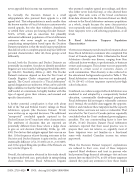
Reported court decisions provided employment
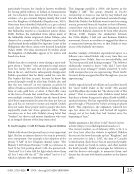
information for 85.7% (n=54) of the Decision Dataset
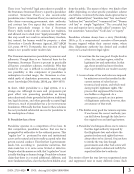
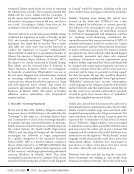
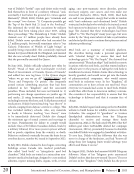
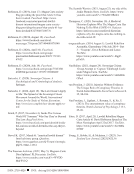
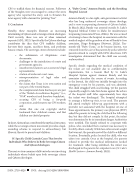
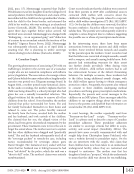
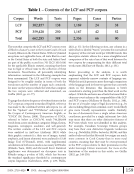
population, see Table 1.
Table 1 -Frequency and type of self-identified employment and work activities for Fiscal Arbitrators Decision
Dataset appellants (N=54).
Over a quarter (27.8%, n=15) of the Decision Dataset
population self-identified as having senior and/
or supervisory employment roles, such as being a
business owner, manager, or a supervisor. Surprisingly,
several Fiscal Arbitrators clients had backgrounds that
would have predicted caution in engaging a service
such as Fiscal Arbitrators, including an accountant
(Rowe v The Queen, 2017 TCC 122), a bank manager
(Brathwaite v The Queen, 2016 TCC 29), and a police
officer (Romaker v The Queen, 2017 TCC 241).
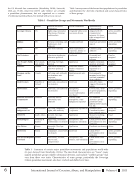
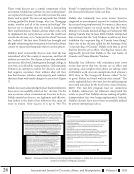
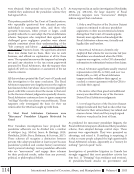
Educational history was reported for almost three
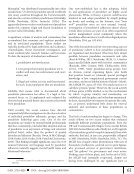
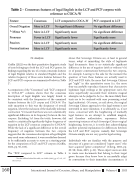
quarters (71.2%, n=47) of the study population, see
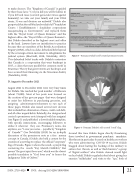
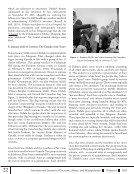
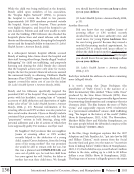
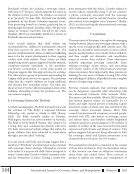
Table 2:
Table 2 -Frequency and type of educational training and background reported by Fiscal Arbitrators Decision
Dataset appellants (N=47).
test using a 0.05 significance (p) level. The chi-squared
test calculates the probability (p) that the different
frequencies that two or more populations exhibit
characteristics is the result of random chance.
III. Results
The total Decision Dataset study population was
66 taxpayers, though not all judgments provided
information concerning some of these persons’
characteristics. The Docket Dataset contained 507 Tax
Court of Canada lawsuits, with consistent information
for each dataset instance.
A. Demographic Data
Significant demographic data was obtained concerning
the Decision Dataset study population taxpayers.
The majority of the study population were male
(75.8%, N=66). Nearly half (47%, N=17) of the
female subpopulation self-identified as the spouses or
common-law partners of a Fiscal Arbitrators client.
Reported court decisions provided employment
information for 85.7% (n=54) of the Decision Dataset
population, see Table 1.
Table 1 -Frequency and type of self-identified employment and work activities for Fiscal Arbitrators Decision
Dataset appellants (N=54).
Over a quarter (27.8%, n=15) of the Decision Dataset
population self-identified as having senior and/
or supervisory employment roles, such as being a
business owner, manager, or a supervisor. Surprisingly,
several Fiscal Arbitrators clients had backgrounds that
would have predicted caution in engaging a service
such as Fiscal Arbitrators, including an accountant
(Rowe v The Queen, 2017 TCC 122), a bank manager
(Brathwaite v The Queen, 2016 TCC 29), and a police
officer (Romaker v The Queen, 2017 TCC 241).
Educational history was reported for almost three
quarters (71.2%, n=47) of the study population, see
Table 2:
Table 2 -Frequency and type of educational training and background reported by Fiscal Arbitrators Decision
Dataset appellants (N=47).