ISSN: 2710-4028 DOI: doi.org/10.54208/1000/0006 113
never appealed their income tax reassessments.
So, factually, the Decision Dataset is a small
subpopulation who pursued their appeals to a full
appeal trial. That subpopulation is much smaller than
the known number of Fiscal Arbitrators customers who
started appeals, but who then withdrew, abandoned,
or settled their actions pre-hearing (Docket Dataset:
72.2%, n=366), and an uncertain but plausibly
substantial additional population of Fiscal Arbitrators
customers who never sought an appeal. Further
complicating extrapolation based upon the Decision
Dataset population is that the much larger populations
that did not seek or complete appeals may have different
personal characteristics. After all, these groups acted
differently.
Second, both the Decision and Docket Datasets are
potentially incomplete. Searches to identify pseudolaw
litigation are notoriously challenging (Netolitzky, 2017,
pp. 964-965 Netolitzky, 2018a, p. 429). The Docket
Dataset’s instances depend on how the Tax Court of
Canada Registry Clerks categorized and grouped
appeals. The Court’s criteria for a “Fiscal Arbitrators”
appeal designation are unknown. What can be said with
high confidence is that the Tax Court of Canada and its
staff would, at a minimum, be highly familiar with this
type of appeal, given their volume, and unusual and
specific characteristics.
A further potential complication is that only about
half of the Tax and Federal Courts’ rulings on Fiscal
Arbitrators appeals (the Decision Dataset: N=66)
were written up as reported decisions. The additional
“unreported” concluded appeals captured in the
Docket Dataset (n=67) may have other characteristics.
The attributes of decisions that are reported are
potentially different from those where a judge chose
to give an oral decision (Netolitzky, 2018a, pp. 429-
430). Two factors that mitigate against that concern are
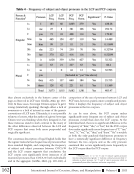
that: 1) the frequency of post-hearing outcomes in the
Decision and Docket Datasets is quite similar, and not
statistically different (x2(2, N=186)=2.117, p=0.3469),
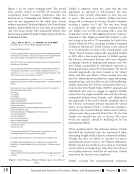
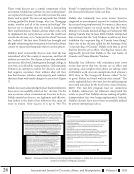
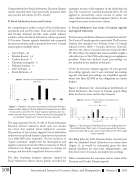
and 2) the appeal filing date profiles of the Datasets are
very similar (Figure 2).
Overall, the information obtained in this study should
be approached with care, particularly in extrapolating
characteristics between Fiscal Arbitrators litigants
who pursued complete appeal proceedings, and those
who either never took that step, or who aborted their
appeals. That said, some of the broad conclusions
from data obtained via the Decision Dataset are likely
relevant to the Fiscal Arbitrators customers population
as a whole, simply because the same characteristics
were repeatedly and consistently identified. Ultimately,
these taxpayers were a self-selecting population, at all
levels.
B. Fiscal Arbitrators Taxpayer Population
Characteristics
The Decision Dataset provides much information about
those Fiscal Arbitrators customers who completed Tax
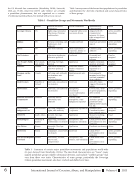
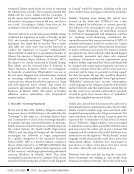
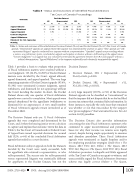
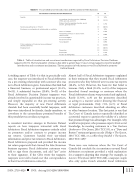
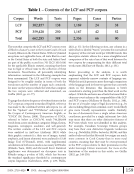
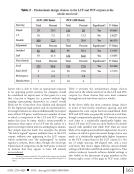
Court of Canada appeals. Table 1 illustrates the Fiscal
Arbitrators clientele was diverse, ranging from blue
collar and factory workers, to professionals, to business
owners and managers. This scheme was not apparently
restricted to certain social or economic classes, or
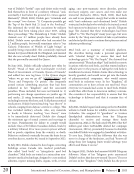
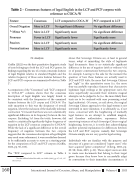
work communities. That diversity is also reflected in
the educational backgrounds reported in Table 2. The
Fiscal Arbitrators customer base was not uneducated.
61.7% (N=47) of these taxpayers reported post-high
school education.
Combined, no evidence supports Fiscal Arbitrators was
marketed to and adopted by a comparatively limited
education, economically disadvantaged population.
Fiscal Arbitrators did not target a vulnerable customer
pool. Instead, the available data suggests the opposite.
Tables 1 and 2 indicate these taxpayers had the capacity
to know better, and were not naïve or vulnerable. That
was what the Tax Court of Canada justices repeatedly
concluded when the Court confirmed gross negligence
penalties. The one countervailing factor is how few
(15.2%, N=46) Decision Dataset Fiscal Arbitrators
customers reported that their usual practice was to
prepare their own tax returns, so, arguably, most of
these taxpayers were not familiar--in a functional
sense--with standard Canadian income tax return
paperwork.
When the Decision Dataset taxpayers’ explanations
are reduced to their core, most of these taxpayers
reported blind obedience and trust in persons who
had promised large financial advantages--fast and easy
money. Just one third (34.5%, n=19) of these taxpayers
claimed they paid any attention to how those results
never appealed their income tax reassessments.
So, factually, the Decision Dataset is a small
subpopulation who pursued their appeals to a full
appeal trial. That subpopulation is much smaller than
the known number of Fiscal Arbitrators customers who
started appeals, but who then withdrew, abandoned,
or settled their actions pre-hearing (Docket Dataset:
72.2%, n=366), and an uncertain but plausibly
substantial additional population of Fiscal Arbitrators
customers who never sought an appeal. Further
complicating extrapolation based upon the Decision
Dataset population is that the much larger populations
that did not seek or complete appeals may have different
personal characteristics. After all, these groups acted
differently.
Second, both the Decision and Docket Datasets are
potentially incomplete. Searches to identify pseudolaw
litigation are notoriously challenging (Netolitzky, 2017,
pp. 964-965 Netolitzky, 2018a, p. 429). The Docket
Dataset’s instances depend on how the Tax Court of
Canada Registry Clerks categorized and grouped
appeals. The Court’s criteria for a “Fiscal Arbitrators”
appeal designation are unknown. What can be said with
high confidence is that the Tax Court of Canada and its
staff would, at a minimum, be highly familiar with this
type of appeal, given their volume, and unusual and
specific characteristics.
A further potential complication is that only about
half of the Tax and Federal Courts’ rulings on Fiscal
Arbitrators appeals (the Decision Dataset: N=66)
were written up as reported decisions. The additional
“unreported” concluded appeals captured in the
Docket Dataset (n=67) may have other characteristics.
The attributes of decisions that are reported are
potentially different from those where a judge chose
to give an oral decision (Netolitzky, 2018a, pp. 429-
430). Two factors that mitigate against that concern are
that: 1) the frequency of post-hearing outcomes in the
Decision and Docket Datasets is quite similar, and not
statistically different (x2(2, N=186)=2.117, p=0.3469),
and 2) the appeal filing date profiles of the Datasets are
very similar (Figure 2).
Overall, the information obtained in this study should
be approached with care, particularly in extrapolating
characteristics between Fiscal Arbitrators litigants
who pursued complete appeal proceedings, and those
who either never took that step, or who aborted their
appeals. That said, some of the broad conclusions
from data obtained via the Decision Dataset are likely
relevant to the Fiscal Arbitrators customers population
as a whole, simply because the same characteristics
were repeatedly and consistently identified. Ultimately,
these taxpayers were a self-selecting population, at all
levels.
B. Fiscal Arbitrators Taxpayer Population
Characteristics
The Decision Dataset provides much information about
those Fiscal Arbitrators customers who completed Tax
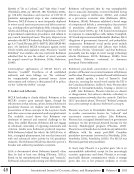
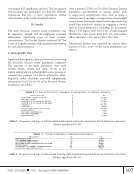
Court of Canada appeals. Table 1 illustrates the Fiscal
Arbitrators clientele was diverse, ranging from blue
collar and factory workers, to professionals, to business
owners and managers. This scheme was not apparently
restricted to certain social or economic classes, or
work communities. That diversity is also reflected in
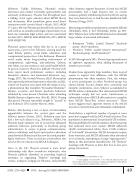
the educational backgrounds reported in Table 2. The
Fiscal Arbitrators customer base was not uneducated.
61.7% (N=47) of these taxpayers reported post-high
school education.
Combined, no evidence supports Fiscal Arbitrators was
marketed to and adopted by a comparatively limited
education, economically disadvantaged population.
Fiscal Arbitrators did not target a vulnerable customer
pool. Instead, the available data suggests the opposite.
Tables 1 and 2 indicate these taxpayers had the capacity
to know better, and were not naïve or vulnerable. That
was what the Tax Court of Canada justices repeatedly
concluded when the Court confirmed gross negligence
penalties. The one countervailing factor is how few
(15.2%, N=46) Decision Dataset Fiscal Arbitrators
customers reported that their usual practice was to
prepare their own tax returns, so, arguably, most of
these taxpayers were not familiar--in a functional
sense--with standard Canadian income tax return
paperwork.
When the Decision Dataset taxpayers’ explanations
are reduced to their core, most of these taxpayers
reported blind obedience and trust in persons who
had promised large financial advantages--fast and easy
money. Just one third (34.5%, n=19) of these taxpayers
claimed they paid any attention to how those results