International Journal of Coercion, Abuse, and Manipulation Volume 6 2023 66
means consent.” CERI members employ these rules
to claim “ecclesiastical notices” impose obligations
on perceived enemies. These demand documents,
when ignored, purportedly create binding “private
agreements.” Originally, CERI members bulk mailed
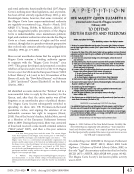
or emailed their ecclesiastical notices to government,
institutional, and court actors (CP (Re), 2019 ABQB
310, paras. 1, 18, 22 Meads v Meads, 2012 ABQB 571,
paras. 135-137), or published “ecclesiastical notices” in
newspapers (e.g., “Private Agreement,” 2011a “Private
Agreement,” 2011b). The more recent CERI practice is
to “notify” targets with YouTube videos (e.g., Paraclete,
2014f Paraclete, 2015c Paraclete, 2018).
While CERI pseudolaw schemes have been largely static
since the early 2000s, around 2017 CERI members
began to frame their demands as a form of religious
accommodation. They now claim their religious
rights also flow from international treaties, such as
the International Covenant on Economic, Social, and
Culture Rights, that allegedly have supraconstitutional
authority (CP (Re), 2019 ABQB 310, paras. 21, 26
Potvin (Re), 2018 ABQB 652, paras. 47-49 Williams
v Payette, 2019 FC 800, para. 2). This “international
treaties are supreme law” scheme is not original to
CERI, but, instead, was developed by Freeman-on-
the-Land guru “John Spirit” (actual name unknown)
around 2014, and, by 2017, was debunked in multiple
Canadian court decisions (Netolitzky, 2023a, pp. 822-
824 Netolitzky &Warman, 2020, pp. 741-742).
B. “minister” Edward Robin Jay Belanger
The important and sometimes central role of pseudolaw
leader and teacher figures is well-documented
(McRoberts, 2019, pp. 638-642 Meads v Meads, 2012
ABQB 571, paras. 85-153 Netolitzky, 2016 Netolitzky,
2019, pp. 1182-1186). Historically, these individuals
were critical vectors who transmitted pseudolaw into
new locales and populations. For example, Detaxer
guru Eldon Warman appears to be the key “Typhoid
Mary” who “localized” US pseudolaw concepts into a
form compatible with the Canadian legal framework
(Netolitzky, 2018b, pp. 6-8). This role for gurus has
shrunken as pseudolaw was incorporated within the
cultic milieu (Netolitzky, 2021, p. 186).
Some gurus also developed new pseudolaw, though
truly novel innovations are the exception. In Canada,
pseudolaw has been largely stagnant (Netolitzky,
2019, pp. 1182-1186). McRoberts accurately describes
stereotypic guru activities as “[collecting] bits and
pieces of information like magpies, shuffling through
misunderstood cases, excerpts from statutes they have
not read, definitions from out-of-date legal dictionaries,
legal maxims they found online, and other snippets
to assemble fragile frameworks around their beliefs.”
(McRoberts, 2019, p. 652). Belanger fits this model.
CERI’s guru, Edward Jay Robin Belanger, is an
Edmonton-area artist and criminal turned pseudolaw
promoter. Belanger also purports to offer “deregistration
services” “from a fraud” (Bondservant, n.d.). Belanger
employs several titles: “minister,” “Paraclete,” and
“Bondservant.” “minister” is consistently spelled
with a lower-case “m.” While Belanger claims to be
disabled, and demands government assistance on that
basis (Paraclete, 2015b), Belanger has been caught
advertising handyman services, which he claims he is
physically unable to complete.
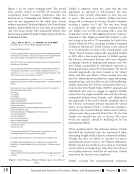
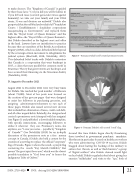
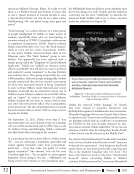
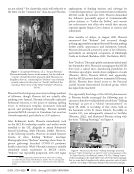
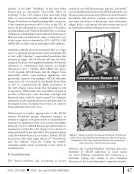
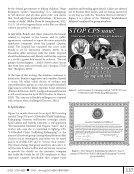
Figure 2 -“minister” Edward Jay Robin Belanger. This image
is typical of Belanger’s instructional and recruitment YouTube
videos, and illustrates Belanger’s stereotypic “talking head”
lecture format. Belanger almost never employs lecture aids or
other supporting materials, but simply conducts a monologue.
In this instance, Belanger is demanding “accommodation” from
an Edmonton-area lawyer, Pat Hart (Paraclete, 2019).
Belanger’s lengthy criminal record includes drug,
trafficking, and weapons offenses (Unrau v National
Dental Examining Board,2019ABQB283,para.196).In
many ways CERI is Belanger he created CERI and is the
one constant core personality throughout its existence.
Other CERI affiliates are temporary associates who
subsequently usually abandon pseudolaw or move on to
follow some other gurus (Potvin (Re), 2019 ABQB 785,
para. 27). This kind of transient affiliation is frequently
means consent.” CERI members employ these rules
to claim “ecclesiastical notices” impose obligations
on perceived enemies. These demand documents,
when ignored, purportedly create binding “private
agreements.” Originally, CERI members bulk mailed
or emailed their ecclesiastical notices to government,
institutional, and court actors (CP (Re), 2019 ABQB
310, paras. 1, 18, 22 Meads v Meads, 2012 ABQB 571,
paras. 135-137), or published “ecclesiastical notices” in
newspapers (e.g., “Private Agreement,” 2011a “Private
Agreement,” 2011b). The more recent CERI practice is
to “notify” targets with YouTube videos (e.g., Paraclete,
2014f Paraclete, 2015c Paraclete, 2018).
While CERI pseudolaw schemes have been largely static
since the early 2000s, around 2017 CERI members
began to frame their demands as a form of religious
accommodation. They now claim their religious
rights also flow from international treaties, such as
the International Covenant on Economic, Social, and
Culture Rights, that allegedly have supraconstitutional
authority (CP (Re), 2019 ABQB 310, paras. 21, 26
Potvin (Re), 2018 ABQB 652, paras. 47-49 Williams
v Payette, 2019 FC 800, para. 2). This “international
treaties are supreme law” scheme is not original to
CERI, but, instead, was developed by Freeman-on-
the-Land guru “John Spirit” (actual name unknown)
around 2014, and, by 2017, was debunked in multiple
Canadian court decisions (Netolitzky, 2023a, pp. 822-
824 Netolitzky &Warman, 2020, pp. 741-742).
B. “minister” Edward Robin Jay Belanger
The important and sometimes central role of pseudolaw
leader and teacher figures is well-documented
(McRoberts, 2019, pp. 638-642 Meads v Meads, 2012
ABQB 571, paras. 85-153 Netolitzky, 2016 Netolitzky,
2019, pp. 1182-1186). Historically, these individuals
were critical vectors who transmitted pseudolaw into
new locales and populations. For example, Detaxer
guru Eldon Warman appears to be the key “Typhoid
Mary” who “localized” US pseudolaw concepts into a
form compatible with the Canadian legal framework
(Netolitzky, 2018b, pp. 6-8). This role for gurus has
shrunken as pseudolaw was incorporated within the
cultic milieu (Netolitzky, 2021, p. 186).
Some gurus also developed new pseudolaw, though
truly novel innovations are the exception. In Canada,
pseudolaw has been largely stagnant (Netolitzky,
2019, pp. 1182-1186). McRoberts accurately describes
stereotypic guru activities as “[collecting] bits and
pieces of information like magpies, shuffling through
misunderstood cases, excerpts from statutes they have
not read, definitions from out-of-date legal dictionaries,
legal maxims they found online, and other snippets
to assemble fragile frameworks around their beliefs.”
(McRoberts, 2019, p. 652). Belanger fits this model.
CERI’s guru, Edward Jay Robin Belanger, is an
Edmonton-area artist and criminal turned pseudolaw
promoter. Belanger also purports to offer “deregistration
services” “from a fraud” (Bondservant, n.d.). Belanger
employs several titles: “minister,” “Paraclete,” and
“Bondservant.” “minister” is consistently spelled
with a lower-case “m.” While Belanger claims to be
disabled, and demands government assistance on that
basis (Paraclete, 2015b), Belanger has been caught
advertising handyman services, which he claims he is
physically unable to complete.
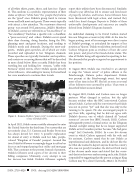
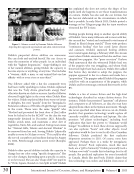
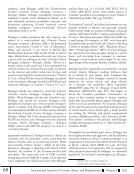
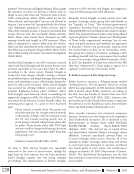
Figure 2 -“minister” Edward Jay Robin Belanger. This image
is typical of Belanger’s instructional and recruitment YouTube
videos, and illustrates Belanger’s stereotypic “talking head”
lecture format. Belanger almost never employs lecture aids or
other supporting materials, but simply conducts a monologue.
In this instance, Belanger is demanding “accommodation” from
an Edmonton-area lawyer, Pat Hart (Paraclete, 2019).
Belanger’s lengthy criminal record includes drug,
trafficking, and weapons offenses (Unrau v National
Dental Examining Board,2019ABQB283,para.196).In
many ways CERI is Belanger he created CERI and is the
one constant core personality throughout its existence.
Other CERI affiliates are temporary associates who
subsequently usually abandon pseudolaw or move on to
follow some other gurus (Potvin (Re), 2019 ABQB 785,
para. 27). This kind of transient affiliation is frequently