ISSN: 2710-4028 DOI: doi.org/10.54208/1000/0006 165
can found throughout the PCF corpus and appears
to be particularly common near negators such as
“not” and “no” (Griffin, 2022, pp. 100–103). There is
no comparable use of emphatic capitalization in the
LCF corpus “NO” is capitalized 109 times in the PCF
corpus, for example, but only twice in the LCF corpus
and both of those instances are as part of section
headings that are themselves written in all capital
letters. While emphatic capitalization in the PCF corpus
can serve to enhance the seemingly talismanic power
of markedly legal vocabulary (“It’s a VIOLATION of
the 11th Amendment for a FOREIGN CITIZEN to
INVOKE the JUDICIAL POWER of the State”), it also
often serves to highlight another notable difference
between the two corpora: namely, the use of second-
person pronouns. Just as “I” appears significantly more
frequently in the PCF corpus than it does in the LCF
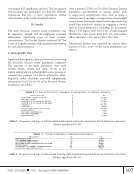
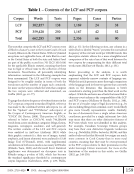
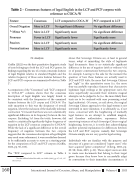
corpus, so too does “you” (see Table 4 above). And
just as the authors of the texts in the PCF corpus are
concerned with defining who “I” am and what “I” can
do, so too are they interested in defining who “you” are
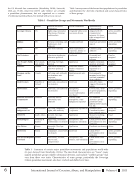
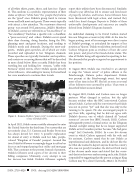
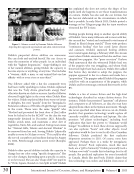
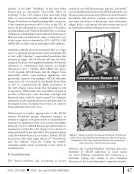
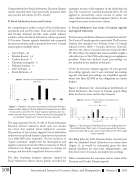
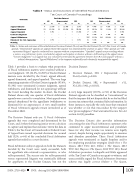
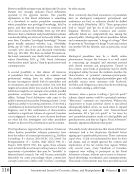
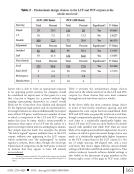
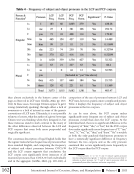
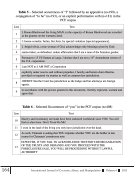
and the things that “you” owe them. Table 6 displays
some of these uses of “you” in the PCF corpus, both
with and without emphatic capitalization.
The importance of personal status to the authors of
PCF texts remains on display, as seen in line 10’s “You
will find no slave here.” That emphasis is taken a step
further now, however, by the subsequent command, in
which there remains an implicit “you” (i.e. “[You must
not] Tread On Me!”). The question of who “you” are
throughout the PCF corpus has a very inclusive answer:
“you” is used in both the singular and plural to refer to
any and all non-Sovereign Citizen participants in the
legal process. It can refer to judges and their purported
lack of power over a Sovereign Citizen litigant, for
example line 11’s “you only have jurisdiction over the
dead,” or the opposing party and either their duties
to the Sovereign Citizen litigant (“Claimant is asking
that YOU stipulate whether YOU are the holder ...”
in line 12) or the risks that they face in opposing a
Sovereign Citizen in the first place (“IF YOU FAIL TO
ACKNOWLEDGE TRUSTOR’S REORGANIZATION
...YOU WILL BE PROCEEDING WITHOUT
LAWFUL AUTHORITY” in line 13).
Despite their authors’ preoccupation with both their
own power and identity and that of their opponents,
PCF texts should not be mistaken for attempts to engage
in a dialogue the inadequacy of government power,
is, after all, one of the fundamental tenets of Sovereign
Citizen pseudolegal thought (Netolitzky, 2018,
Netolitzky &Warman, 2020, pp. 733–734, 738) and
there is no point in engaging as equals with an opposing
party who is perceived to be so far below oneself
(much less to subordinate oneself before a judge who is
believed to be illegitimate). This disjunction serves to
point out a fundamental contradiction laid bare in the
PCF corpus: namely, the mismatch between Sovereign
Citizens’ stated beliefs about their insuperable magical
legal authority and their simultaneous participation in
the very legal system whose power they deny. It is, of
course, a mistake to look for such logic or self-awareness
in the actions of a group of conspiracy theorists but it
is nonetheless interesting to consider how individual
Sovereign Citizens process any resultant cognitive
dissonance. Such questions are, however, ultimately
beyond the scope of this study.
V. Conclusion
Sovereign Citizens go to a great deal of trouble in
their pseudolegal texts to emphasize their own power,
identity, and magical supremacy over the legal system.
As shown in this study, in terms of the written language
that they use, they do this through a much more frequent
use of pronouns, particularly first- and second-person
pronouns, than can be found in comparable legal
documents, and they do this in spite of the fact that
such pronoun use clearly distinguishes their texts from
legitimate legal texts. The importance that Sovereign
Citizens place on these features (as evidenced by their
frequent emphatic capitalization, among other factors)
ultimately leads to three distinct conclusions:
1. PCFs are highly and perhaps primarily
concerned with establishing the identity and
power of their authors as individuals
2. PCFs frame judges and other representatives
of the legitimate legal system as a single
collective out-group and
3. PCFs present their authors as the wielders of
true legal authority while simultaneously, if
implicitly, acknowledging the real-world power
that the legitimate legal system wields over
them.
can found throughout the PCF corpus and appears
to be particularly common near negators such as
“not” and “no” (Griffin, 2022, pp. 100–103). There is
no comparable use of emphatic capitalization in the
LCF corpus “NO” is capitalized 109 times in the PCF
corpus, for example, but only twice in the LCF corpus
and both of those instances are as part of section
headings that are themselves written in all capital
letters. While emphatic capitalization in the PCF corpus
can serve to enhance the seemingly talismanic power
of markedly legal vocabulary (“It’s a VIOLATION of
the 11th Amendment for a FOREIGN CITIZEN to
INVOKE the JUDICIAL POWER of the State”), it also
often serves to highlight another notable difference
between the two corpora: namely, the use of second-
person pronouns. Just as “I” appears significantly more
frequently in the PCF corpus than it does in the LCF
corpus, so too does “you” (see Table 4 above). And
just as the authors of the texts in the PCF corpus are
concerned with defining who “I” am and what “I” can
do, so too are they interested in defining who “you” are
and the things that “you” owe them. Table 6 displays
some of these uses of “you” in the PCF corpus, both
with and without emphatic capitalization.
The importance of personal status to the authors of
PCF texts remains on display, as seen in line 10’s “You
will find no slave here.” That emphasis is taken a step
further now, however, by the subsequent command, in
which there remains an implicit “you” (i.e. “[You must
not] Tread On Me!”). The question of who “you” are
throughout the PCF corpus has a very inclusive answer:
“you” is used in both the singular and plural to refer to
any and all non-Sovereign Citizen participants in the
legal process. It can refer to judges and their purported
lack of power over a Sovereign Citizen litigant, for
example line 11’s “you only have jurisdiction over the
dead,” or the opposing party and either their duties
to the Sovereign Citizen litigant (“Claimant is asking
that YOU stipulate whether YOU are the holder ...”
in line 12) or the risks that they face in opposing a
Sovereign Citizen in the first place (“IF YOU FAIL TO
ACKNOWLEDGE TRUSTOR’S REORGANIZATION
...YOU WILL BE PROCEEDING WITHOUT
LAWFUL AUTHORITY” in line 13).
Despite their authors’ preoccupation with both their
own power and identity and that of their opponents,
PCF texts should not be mistaken for attempts to engage
in a dialogue the inadequacy of government power,
is, after all, one of the fundamental tenets of Sovereign
Citizen pseudolegal thought (Netolitzky, 2018,
Netolitzky &Warman, 2020, pp. 733–734, 738) and
there is no point in engaging as equals with an opposing
party who is perceived to be so far below oneself
(much less to subordinate oneself before a judge who is
believed to be illegitimate). This disjunction serves to
point out a fundamental contradiction laid bare in the
PCF corpus: namely, the mismatch between Sovereign
Citizens’ stated beliefs about their insuperable magical
legal authority and their simultaneous participation in
the very legal system whose power they deny. It is, of
course, a mistake to look for such logic or self-awareness
in the actions of a group of conspiracy theorists but it
is nonetheless interesting to consider how individual
Sovereign Citizens process any resultant cognitive
dissonance. Such questions are, however, ultimately
beyond the scope of this study.
V. Conclusion
Sovereign Citizens go to a great deal of trouble in
their pseudolegal texts to emphasize their own power,
identity, and magical supremacy over the legal system.
As shown in this study, in terms of the written language
that they use, they do this through a much more frequent
use of pronouns, particularly first- and second-person
pronouns, than can be found in comparable legal
documents, and they do this in spite of the fact that
such pronoun use clearly distinguishes their texts from
legitimate legal texts. The importance that Sovereign
Citizens place on these features (as evidenced by their
frequent emphatic capitalization, among other factors)
ultimately leads to three distinct conclusions:
1. PCFs are highly and perhaps primarily
concerned with establishing the identity and
power of their authors as individuals
2. PCFs frame judges and other representatives
of the legitimate legal system as a single
collective out-group and
3. PCFs present their authors as the wielders of
true legal authority while simultaneously, if
implicitly, acknowledging the real-world power
that the legitimate legal system wields over
them.