International Journal of Coercion, Abuse, and Manipulation Volume 6 2023 112
seminars conducted in English, after having been
recruited to attend this events by Ferdinand Roy, the
lawyer who had conducted the taxpayers’ business
affairs for the previous 30 years.5
1
That lawyer, a
trusted advisor and representative relied upon by the
taxpayers, had insinuated his clients were paying too
much income tax, then specifically introduced the
taxpayers to Fiscal Arbitrators, saying Fiscal Arbitrators
was a legitimate and legal scheme (Lavoie v The Queen,
2015 TCC 228, paras. 22-34). The signed tax returns
were also in English. In these unusual circumstances,
the Court concluded the taxpayers had a valid reason
to believe the Fiscal Arbitrators pseudolaw scheme had
some reasonable basis. Lavoie v The Queen is one of the
rare instances where gross negligence penalties were
rejected, and understandably so.
A surprisingly small fraction (12.1%, n=8) of Fiscal
Arbitrators customers indicated they had concerns or
suspicions about whether the Strawman tax scheme was
valid. A few (16.7%, n=11) explained the basis for their
belief was direct evidence: they were shown refund
cheques that had been obtained by Fiscal Arbitrators
mechanisms. When it came to Fiscal Arbitrators’
pseudolaw-based tax evasion theories, only 34.5%
(n=19) of Fiscal Arbitrators customers said they paid
any attention to how and why Fiscal Arbitrators claimed
its Strawman business expense scheme operated. Very
few (12.7%, n=7) claimed to understand it.
Some pseudolaw adherents clearly adopt counter-law
schemes on ideological grounds (Netolitzky, 2021),
however no Fiscal Arbitrator customer grounded their
tax avoidance in that way. Instead, in every instance,
Tax Court of Canada justices concluded greed was
the reason why these taxpayers signed up with Fiscal
Arbitrators. Repeatedly, Fiscal Arbitrators Decision
Dataset judgments reach the same conclusion: these
taxpayers were promised money, and they were willfully
blind and simply disinterested in how that result would
be achieved. These taxpayers intentionally ignored the
transparently fictitious business expense claim that
was the basis for the very large, groundless income tax
advantages sought in the tax returns they had signed.
To do so was in law gross negligence. The large majority
of Fiscal Arbitrators taxpayer appeals were rejected
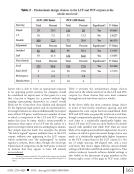
(Table 3), and the additional gross negligence penalties
imposed by the CRA were confirmed.
5 No lawyer with this name is currently registered with the Barreau
du Québec.
IV. Analysis and Discussion
Data acquisition and interpretation for this study was
a generally straight-forward process. Information was
obtained from sources--docket entries and reported
court judgments--that require little to no interpretation.
The variables recorded were not subjective but instead
discrete facts. The source materials for this study
are formal court institutional records and therefore
reliable.
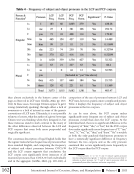
A small fraction (3.6%, n=18) of Fiscal Arbitrators
Docket Dataset Tax Court of Canada proceedings
have yet to be resolved as of December 2022. Docket
records show these matters were frozen--“stayed”-
-pending certain developments. These matters are
now proceeding to hearings. This pattern of pausing
litigation is commonplace in courts, such as the Tax
Court of Canada, where a “lead” or “test” case can
determine an issue or fact pattern that is then applied
in other parallel appeals. That use of precedent cases
happened in Fiscal Arbitrators litigation. For example,
the Wynter v Canada, 2017 FCA 195 Federal Court
of Appeal decision was a “test case” appeal for how to
evaluate potential gross negligence by Fiscal Arbitrators
taxpayers.
There is no obvious reason to anticipate that the small
number of remaining Fiscal Arbitrators Tax Court of
Canada appeals may shift the profile and characteristics
reported in this study.
A. Are the Decision and Docket Datasets
Representative?
Prior to evaluating the results of this investigation,
an important preliminary issue is whether the data
obtained from the Decision and Docket Datasets reflects
the overall Fiscal Arbitrators taxpayer population.
Are these representative samples? The best answer is
“possibly,” and for that reason the quantitative data in
this study should be evaluated with caution.
First, detailed information about Fiscal Arbitrators
taxpayers originated from the Decision Dataset (N=66).
That population represents only a fraction of the
identified Fiscal Arbitrators appeals (Docket Dataset,
N=507). Furthermore, the Docket Dataset taxpayers
are very plausibly a subset of total Fiscal Arbitrators
customers. Some Fiscal Arbitrators customers likely
seminars conducted in English, after having been
recruited to attend this events by Ferdinand Roy, the
lawyer who had conducted the taxpayers’ business
affairs for the previous 30 years.5
1
That lawyer, a
trusted advisor and representative relied upon by the
taxpayers, had insinuated his clients were paying too
much income tax, then specifically introduced the
taxpayers to Fiscal Arbitrators, saying Fiscal Arbitrators
was a legitimate and legal scheme (Lavoie v The Queen,
2015 TCC 228, paras. 22-34). The signed tax returns
were also in English. In these unusual circumstances,
the Court concluded the taxpayers had a valid reason
to believe the Fiscal Arbitrators pseudolaw scheme had
some reasonable basis. Lavoie v The Queen is one of the
rare instances where gross negligence penalties were
rejected, and understandably so.
A surprisingly small fraction (12.1%, n=8) of Fiscal
Arbitrators customers indicated they had concerns or
suspicions about whether the Strawman tax scheme was
valid. A few (16.7%, n=11) explained the basis for their
belief was direct evidence: they were shown refund
cheques that had been obtained by Fiscal Arbitrators
mechanisms. When it came to Fiscal Arbitrators’
pseudolaw-based tax evasion theories, only 34.5%
(n=19) of Fiscal Arbitrators customers said they paid
any attention to how and why Fiscal Arbitrators claimed
its Strawman business expense scheme operated. Very
few (12.7%, n=7) claimed to understand it.
Some pseudolaw adherents clearly adopt counter-law
schemes on ideological grounds (Netolitzky, 2021),
however no Fiscal Arbitrator customer grounded their
tax avoidance in that way. Instead, in every instance,
Tax Court of Canada justices concluded greed was
the reason why these taxpayers signed up with Fiscal
Arbitrators. Repeatedly, Fiscal Arbitrators Decision
Dataset judgments reach the same conclusion: these
taxpayers were promised money, and they were willfully
blind and simply disinterested in how that result would
be achieved. These taxpayers intentionally ignored the
transparently fictitious business expense claim that
was the basis for the very large, groundless income tax
advantages sought in the tax returns they had signed.
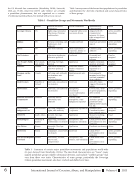
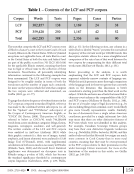
To do so was in law gross negligence. The large majority
of Fiscal Arbitrators taxpayer appeals were rejected
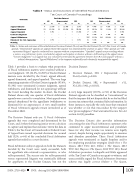
(Table 3), and the additional gross negligence penalties
imposed by the CRA were confirmed.
5 No lawyer with this name is currently registered with the Barreau
du Québec.
IV. Analysis and Discussion
Data acquisition and interpretation for this study was
a generally straight-forward process. Information was
obtained from sources--docket entries and reported
court judgments--that require little to no interpretation.
The variables recorded were not subjective but instead
discrete facts. The source materials for this study
are formal court institutional records and therefore
reliable.
A small fraction (3.6%, n=18) of Fiscal Arbitrators
Docket Dataset Tax Court of Canada proceedings
have yet to be resolved as of December 2022. Docket
records show these matters were frozen--“stayed”-
-pending certain developments. These matters are
now proceeding to hearings. This pattern of pausing
litigation is commonplace in courts, such as the Tax
Court of Canada, where a “lead” or “test” case can
determine an issue or fact pattern that is then applied
in other parallel appeals. That use of precedent cases
happened in Fiscal Arbitrators litigation. For example,
the Wynter v Canada, 2017 FCA 195 Federal Court
of Appeal decision was a “test case” appeal for how to
evaluate potential gross negligence by Fiscal Arbitrators
taxpayers.
There is no obvious reason to anticipate that the small
number of remaining Fiscal Arbitrators Tax Court of
Canada appeals may shift the profile and characteristics
reported in this study.
A. Are the Decision and Docket Datasets
Representative?
Prior to evaluating the results of this investigation,
an important preliminary issue is whether the data
obtained from the Decision and Docket Datasets reflects
the overall Fiscal Arbitrators taxpayer population.
Are these representative samples? The best answer is
“possibly,” and for that reason the quantitative data in
this study should be evaluated with caution.
First, detailed information about Fiscal Arbitrators
taxpayers originated from the Decision Dataset (N=66).
That population represents only a fraction of the
identified Fiscal Arbitrators appeals (Docket Dataset,
N=507). Furthermore, the Docket Dataset taxpayers
are very plausibly a subset of total Fiscal Arbitrators
customers. Some Fiscal Arbitrators customers likely