ISSN: 2710-4028 DOI: doi.org/10.54208/1000/0006 163
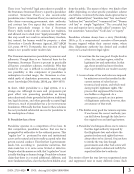
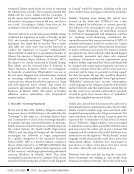
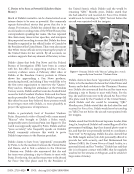
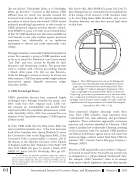
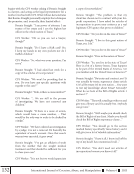
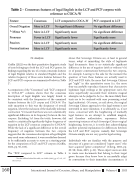
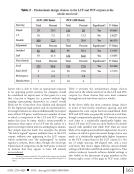
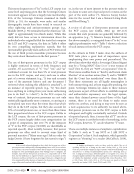
This more frequent use of “he” in the LCF corpus is at
some level surprising given that the Sovereign Citizen
movement appears to have a largely male membership.
85% of the Sovereign Citizens examined in Smith
(2016, p. 35), for example, were male, and similar
demographic trends have been noted in research on
other rightwing and anti-government groups (e.g.,
Muddle (2019, p. 78) estimates that the American “alt-
right” is approximately two-thirds male). While this
study did not have access to information about the
individuals who originally filed the texts that comprise
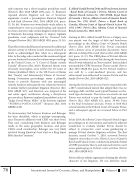
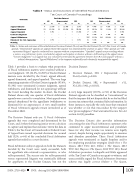
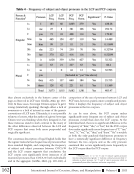
the LCF and PCF corpora, the data in Table 4 offers
its own compelling explanation: namely, that the
(presumably) generally male authors of PCF texts avoid
the use of third person masculine pronouns because
they write about themselves in the first person.10
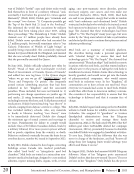
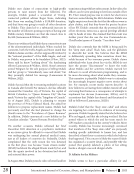
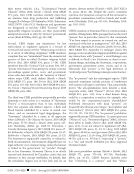
The use of first-person pronouns in the LCF corpus
is highly restricted in terms of both frequency and
context. All occurrences of “I,” “me,” “we,” and “us”
combined account for less than 9% of total pronoun
use in the LCF corpus, and every such use is either
part of a sworn statement (e.g., “A true and accurate
copy of the payment history and any document I
reviewed when making this affidavit is attached”), or
an instance of reported speech (e.g., “Q: You don’t
have anything in writing from your mom authorizing
you to do that? A: I don’t.”). In the PCF corpus, by
way of contrast, first-person pronouns are not only
statistically significantly more common, occurring at a
normalized rate more than five times than that which
they do in the LCF corpus, but they also account for
29% of overall pronoun use, or more than three times
their proportional share in the LCF corpus. Unlike in
the LCF corpus, the use of first-person pronouns in
the PCF corpus largely defies easy categorization (as
a point of comparison, just over 7% of the instances
of “I” in the PCF corpus (74/1003) are identifiable as
reported speech). Most notably, however, first person
pronouns are often used to recount some kind of
personal narrative (“Many years ago I left an order for
Judge Dennis (I have forgotten his last name) to sign.”)
10 It is worth acknowledging here that, while the frequent use of first-
person pronouns is indisputably a distinguishing feature of PCF texts relative
to LCF texts, it is not necessarily a feature that is unique to PCF texts among
all legal (or even pseudolegal) genres. The writings of pro se litigants, for
example, may well use first-person pronouns at a comparable rate to PCF
texts, but the difference in register between courtroom documents written
by lawyers and those written by non-Sovereign Citizen pro se litigants has yet
to be examined by either lawyers or linguists. Such questions are beyond the
scope of this article and are left for future study.
or, in the use of most interest to the present study, to
lay claim to some sort of special power or status on the
part of the text’s author (“I, Maurice Sanjay Koolen
state for the record that I am a Natural Living Flesh
and Blood Being.”).
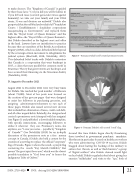
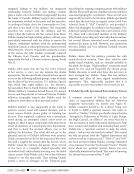
A review of all uses of first-person pronouns across
the PCF corpus (see Griffin, 2022, pp. 107–113)
reveals that such pronouns are generally followed by
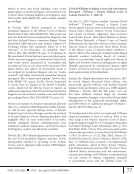
an appositive (e.g., “I, Maurice Sanjay Koolen” from
the above example), a conjugated form of “to be,” or an
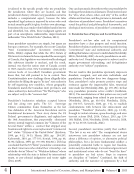
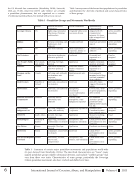
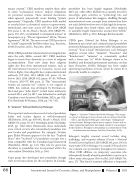
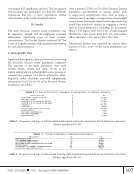
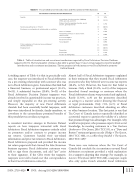
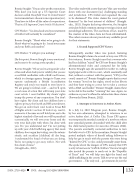
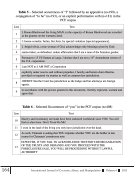
explicit performative verb.11 Table 5 shows a selection
of such instances from the PCF corpus.
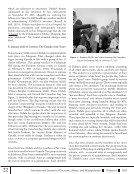
As the extracts in Table 5 make clear, the authors of
PCF texts place a great deal of importance upon
emphasizing their own power and personhood. The
above lines show that while a Sovereign Citizen litigant
may be a “living MAN” (line 1) or “a true woman of
God” (line 3), they are “NOT a Corporation” (line 6).
Their status enables them to “hereby and herein claim
liberties” of an unclear nature (line 7) and to “REBUT
that the Court has jurisdiction” over them (line 8).
That these statements are all legally meaningless is
both unsurprising and, at least magically speaking, the
point. Sovereign Citizens lay claim to these statuses
and powers as part of their efforts to establish magical
and authoritative supremacy over the legal system
since their claimed powers exceed those of the legal
system, there is no need for them to make sense
within its confines, and doing so may even be seen as
a tacit acquiescence to its authority. As stated above,
first-person pronoun use in the LCF corpus is both
infrequent and highly contextually restricted. Outside
of reported speech, then, it seems that all “I” can do in
the LCF corpus is certify the truth of something in the
PCF corpus, however, “I” can do whatever “I” want.
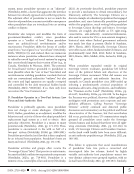
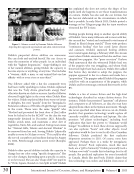
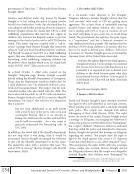
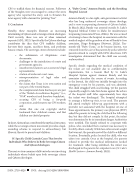
There are multiple instances of emphatic capitalization
in Table 5, such as “I am NOT as I AM NOT a
Corporation” in line 6. Such emphasis, which generally
registers as “shouting” to a reader (McCulloch, 2019),
11 Explicit performative verbs are those verbs for which “the act of
speaking and the act of doing are the same” (Solan, 1993, p. 154). Such
verbs are particularly common in legal contexts, with law itself having been
described as “a system of [performative] speech acts” (DeLong, 2015, p.
82). A judge pronouncing a defendant guilty or not guilty of a crime, for
example, legally establishes that defendant’s guilt (or lack thereof) regardless
of whether the defendant actually committed that crime (Bourdieu, 1987,
p. 838 Dunn, 2003 Gotti, 2012, p. 57). For more on speech act theory
generally, see Austin (1962), Searle (1969), and (1976).
This more frequent use of “he” in the LCF corpus is at
some level surprising given that the Sovereign Citizen
movement appears to have a largely male membership.
85% of the Sovereign Citizens examined in Smith
(2016, p. 35), for example, were male, and similar
demographic trends have been noted in research on
other rightwing and anti-government groups (e.g.,
Muddle (2019, p. 78) estimates that the American “alt-
right” is approximately two-thirds male). While this
study did not have access to information about the
individuals who originally filed the texts that comprise
the LCF and PCF corpora, the data in Table 4 offers
its own compelling explanation: namely, that the
(presumably) generally male authors of PCF texts avoid
the use of third person masculine pronouns because
they write about themselves in the first person.10
The use of first-person pronouns in the LCF corpus
is highly restricted in terms of both frequency and
context. All occurrences of “I,” “me,” “we,” and “us”
combined account for less than 9% of total pronoun
use in the LCF corpus, and every such use is either
part of a sworn statement (e.g., “A true and accurate
copy of the payment history and any document I
reviewed when making this affidavit is attached”), or
an instance of reported speech (e.g., “Q: You don’t
have anything in writing from your mom authorizing
you to do that? A: I don’t.”). In the PCF corpus, by
way of contrast, first-person pronouns are not only
statistically significantly more common, occurring at a
normalized rate more than five times than that which
they do in the LCF corpus, but they also account for
29% of overall pronoun use, or more than three times
their proportional share in the LCF corpus. Unlike in
the LCF corpus, the use of first-person pronouns in
the PCF corpus largely defies easy categorization (as
a point of comparison, just over 7% of the instances
of “I” in the PCF corpus (74/1003) are identifiable as
reported speech). Most notably, however, first person
pronouns are often used to recount some kind of
personal narrative (“Many years ago I left an order for
Judge Dennis (I have forgotten his last name) to sign.”)
10 It is worth acknowledging here that, while the frequent use of first-
person pronouns is indisputably a distinguishing feature of PCF texts relative
to LCF texts, it is not necessarily a feature that is unique to PCF texts among
all legal (or even pseudolegal) genres. The writings of pro se litigants, for
example, may well use first-person pronouns at a comparable rate to PCF
texts, but the difference in register between courtroom documents written
by lawyers and those written by non-Sovereign Citizen pro se litigants has yet
to be examined by either lawyers or linguists. Such questions are beyond the
scope of this article and are left for future study.
or, in the use of most interest to the present study, to
lay claim to some sort of special power or status on the
part of the text’s author (“I, Maurice Sanjay Koolen
state for the record that I am a Natural Living Flesh
and Blood Being.”).
A review of all uses of first-person pronouns across
the PCF corpus (see Griffin, 2022, pp. 107–113)
reveals that such pronouns are generally followed by
an appositive (e.g., “I, Maurice Sanjay Koolen” from
the above example), a conjugated form of “to be,” or an
explicit performative verb.11 Table 5 shows a selection
of such instances from the PCF corpus.
As the extracts in Table 5 make clear, the authors of
PCF texts place a great deal of importance upon
emphasizing their own power and personhood. The
above lines show that while a Sovereign Citizen litigant
may be a “living MAN” (line 1) or “a true woman of
God” (line 3), they are “NOT a Corporation” (line 6).
Their status enables them to “hereby and herein claim
liberties” of an unclear nature (line 7) and to “REBUT
that the Court has jurisdiction” over them (line 8).
That these statements are all legally meaningless is
both unsurprising and, at least magically speaking, the
point. Sovereign Citizens lay claim to these statuses
and powers as part of their efforts to establish magical
and authoritative supremacy over the legal system
since their claimed powers exceed those of the legal
system, there is no need for them to make sense
within its confines, and doing so may even be seen as
a tacit acquiescence to its authority. As stated above,
first-person pronoun use in the LCF corpus is both
infrequent and highly contextually restricted. Outside
of reported speech, then, it seems that all “I” can do in
the LCF corpus is certify the truth of something in the
PCF corpus, however, “I” can do whatever “I” want.
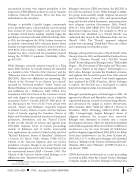
There are multiple instances of emphatic capitalization
in Table 5, such as “I am NOT as I AM NOT a
Corporation” in line 6. Such emphasis, which generally
registers as “shouting” to a reader (McCulloch, 2019),
11 Explicit performative verbs are those verbs for which “the act of
speaking and the act of doing are the same” (Solan, 1993, p. 154). Such
verbs are particularly common in legal contexts, with law itself having been
described as “a system of [performative] speech acts” (DeLong, 2015, p.
82). A judge pronouncing a defendant guilty or not guilty of a crime, for
example, legally establishes that defendant’s guilt (or lack thereof) regardless
of whether the defendant actually committed that crime (Bourdieu, 1987,
p. 838 Dunn, 2003 Gotti, 2012, p. 57). For more on speech act theory
generally, see Austin (1962), Searle (1969), and (1976).