ISSN: 2710-4028 DOI: doi.org/10.54208/1000/0006 115
institutional actors 3) “get out of jail free” criminal
defences and 4) “money for nothing” and debt
elimination schemes (Netolitzky, 2023a, pp. 812-813).
The proportion of “Detaxing” in Canada’s pseudolaw
litigation milieu has undergone a dramatic decline over
the past 20 years (Netolitzky 2023a, p. 813).
“Attack” pseudolaw litigation is increasingly
commonplace, and usually implicates an ideological
component, since this litigation is a kind of
revolutionary activity, a “battle of laws.” Much “get out
of jail free” pseudolaw litigation in Canada probably
originated from the essentially criminal Freeman-on-
the-Land community (Netolitzky, 2023a, pp. 818-820).
That population had a “do as I please, and take what
I want” ideology that was (purportedly) rationalized
and excused by pseudolaw’s narratives. Unsurprisingly,
this perspective had a strong appeal in criminal
populations.
A refusal to pay income tax may have an ideological
and/or political basis, e.g., the Canadian Conscience
Canada group that rejects income tax payment for
military purposes.6
1
That kind of motivation and/or
purpose clearly was a component of some Canadian
Detaxer schemes that operated up to 2010 (Netolitzky,
2016a, pp. 616-617, 622). Similarly, in the US, some
Tax Protestors did more than simply deny income
tax obligations, they broadly rejected US Federal
government authority (Sarteschi, 2020, pp. 1-6). Some
US Tax Protestors explicitly based their action(s) on
Libertarian beliefs. However, Detaxing and money-
for-nothing schemes can plausibly be based purely
on greed, alone. For Fiscal Arbitrators customers, that
appears to have been the case.
D. Recruitment and Communications
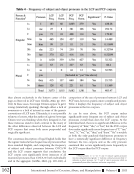
Recruitment into Fiscal Arbitrators was primarily
via direct social contacts: friends, relatives, and co-
workers (Table 4). Introductions through professional
or business contacts were less frequently reported.
In those instances, the most common recruitment
scenario was where a taxpayer had previously been
a part of a different income tax avoidance scheme.
Most recruitment was via face-to-face personal
communication, though occasionally taxpayers
reported larger more formal meetings (e.g., Bradshaw
6 Website: https://www.consciencecanada.ca.
v The Queen, 2019 TCC 1, paras. 12-13). The most
“distant” contact mechanisms were a wall poster
located in a workplace (Bhatti v The Queen, 2013 TCC
143, para. 11) and a “cold call” telephone call by a tax
charity scheme promoter (Wynter v The Queen, 2016
TCC 103, para. 19).
What is entirely absent from all identified Fiscal
Arbitrators narratives is any email solicitation, social
media, websites, online teleconferences and group
telephone calls, and video conferences. The Internet
appears to have had no role in the dramatic expansion
of Fiscal Arbitrators circa 2008-2009. The only instance
where a Fiscal Arbitrators taxpayer appellant made any
mention of Internet resources in relation to, or in support
of, Fiscal Arbitrators, is that the taxpayer in Arbuckle v
The Queen (2017 TCC 181, para. 16) reported that she
validated Strawman Theory by reviewing information
from the website of foundational Canadian Detaxer
guru Eldon Warman (Netolitzky, 2016a, pp. 616-618).
Arbuckle testified she found that information credible,
though review of the website from that date and its
information7
1
should lead observant persons to at least
express some concern about Warman’s reliability. The
style and language of Warman’s Detax Canada website
implies marginal belief, rather than Warman being
an authoritative source. A reader could not possibly
confuse Warman’s website with a government or
professional accounting resource.
This pattern of no use and reference to online resources
reported by Fiscal Arbitrators customers very strongly
suggests the Fiscal Arbitrators scheme was, as a whole,
a “face to face, real world” phenomenon, and essentially
divorced from the Internet. That conclusion is a surprise.
Published academic and popular commentary on
pseudolaw groups and movements that have operated
post-2000 has almost always identified some kind of
online presence. For example, the three detailed studies
of pseudolaw movements reported in this Special Issue
(Netolitzky, 2023b Netolitzky, 2023c Sarteschi, 2023)
clearly demonstrate these movements were intimately
linked to communication and recruitment via social
media. The usual perception is that pseudolaw gurus
must advertise in some manner online to compete
in their marketplace of counter-conventional belief
(Netolitzky, 2023a, pp. 806-807).
7 Archived website: https://web.archive.org/web/20091213233252/
http://www.detaxcanada.org/.
institutional actors 3) “get out of jail free” criminal
defences and 4) “money for nothing” and debt
elimination schemes (Netolitzky, 2023a, pp. 812-813).
The proportion of “Detaxing” in Canada’s pseudolaw
litigation milieu has undergone a dramatic decline over
the past 20 years (Netolitzky 2023a, p. 813).
“Attack” pseudolaw litigation is increasingly
commonplace, and usually implicates an ideological
component, since this litigation is a kind of
revolutionary activity, a “battle of laws.” Much “get out
of jail free” pseudolaw litigation in Canada probably
originated from the essentially criminal Freeman-on-
the-Land community (Netolitzky, 2023a, pp. 818-820).
That population had a “do as I please, and take what
I want” ideology that was (purportedly) rationalized
and excused by pseudolaw’s narratives. Unsurprisingly,
this perspective had a strong appeal in criminal
populations.
A refusal to pay income tax may have an ideological
and/or political basis, e.g., the Canadian Conscience
Canada group that rejects income tax payment for
military purposes.6
1
That kind of motivation and/or
purpose clearly was a component of some Canadian
Detaxer schemes that operated up to 2010 (Netolitzky,
2016a, pp. 616-617, 622). Similarly, in the US, some
Tax Protestors did more than simply deny income
tax obligations, they broadly rejected US Federal
government authority (Sarteschi, 2020, pp. 1-6). Some
US Tax Protestors explicitly based their action(s) on
Libertarian beliefs. However, Detaxing and money-
for-nothing schemes can plausibly be based purely
on greed, alone. For Fiscal Arbitrators customers, that
appears to have been the case.
D. Recruitment and Communications
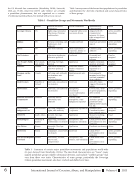
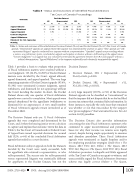
Recruitment into Fiscal Arbitrators was primarily
via direct social contacts: friends, relatives, and co-
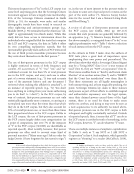
workers (Table 4). Introductions through professional
or business contacts were less frequently reported.
In those instances, the most common recruitment
scenario was where a taxpayer had previously been
a part of a different income tax avoidance scheme.
Most recruitment was via face-to-face personal
communication, though occasionally taxpayers
reported larger more formal meetings (e.g., Bradshaw
6 Website: https://www.consciencecanada.ca.
v The Queen, 2019 TCC 1, paras. 12-13). The most
“distant” contact mechanisms were a wall poster
located in a workplace (Bhatti v The Queen, 2013 TCC
143, para. 11) and a “cold call” telephone call by a tax
charity scheme promoter (Wynter v The Queen, 2016
TCC 103, para. 19).
What is entirely absent from all identified Fiscal
Arbitrators narratives is any email solicitation, social
media, websites, online teleconferences and group
telephone calls, and video conferences. The Internet
appears to have had no role in the dramatic expansion
of Fiscal Arbitrators circa 2008-2009. The only instance
where a Fiscal Arbitrators taxpayer appellant made any
mention of Internet resources in relation to, or in support
of, Fiscal Arbitrators, is that the taxpayer in Arbuckle v
The Queen (2017 TCC 181, para. 16) reported that she
validated Strawman Theory by reviewing information
from the website of foundational Canadian Detaxer
guru Eldon Warman (Netolitzky, 2016a, pp. 616-618).
Arbuckle testified she found that information credible,
though review of the website from that date and its
information7
1
should lead observant persons to at least
express some concern about Warman’s reliability. The
style and language of Warman’s Detax Canada website
implies marginal belief, rather than Warman being
an authoritative source. A reader could not possibly
confuse Warman’s website with a government or
professional accounting resource.
This pattern of no use and reference to online resources
reported by Fiscal Arbitrators customers very strongly
suggests the Fiscal Arbitrators scheme was, as a whole,
a “face to face, real world” phenomenon, and essentially
divorced from the Internet. That conclusion is a surprise.
Published academic and popular commentary on
pseudolaw groups and movements that have operated
post-2000 has almost always identified some kind of
online presence. For example, the three detailed studies
of pseudolaw movements reported in this Special Issue
(Netolitzky, 2023b Netolitzky, 2023c Sarteschi, 2023)
clearly demonstrate these movements were intimately
linked to communication and recruitment via social
media. The usual perception is that pseudolaw gurus
must advertise in some manner online to compete
in their marketplace of counter-conventional belief
(Netolitzky, 2023a, pp. 806-807).
7 Archived website: https://web.archive.org/web/20091213233252/
http://www.detaxcanada.org/.