ISSN: 2710-4028 DOI: doi.org/10.54208/1000/0006 43
and royal authority, functionally the final 1297 Magna
Carta is nothing more than legislation, and, at present,
has been all but entirely repealed (Breay, 2010, p. 48).
Pseudolegal claims, however, that some version(s) of
the Magna Carta have supraconstitutional authority
are regularly encountered (e.g., Meads v Meads, 2012
ABQB 571 Young, Hobbs, &McIntyre, 2023). In a
way, the exaggerated public perception of the Magna
Carta is understandable, since mainstream political,
legal, and academic authorities often invoke the Magna
Carta as a basic restatement of rights and the social
contract, though that is a purely revisionist perspective
that evolved only centuries after the original legislation
(Hindley, 1990, pp. 171-200).
More recent unorthodox claims that the original 1215
Magna Carta remains a binding authority appear
to originate with the “Magna Carta Society,”5
1
circa
1997.6 This group developed and promoted a modern
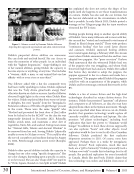
rebellion of barons under Article 61 of the 1215 Magna
Carta to eject the UK from the European Union (“MCS
A Short History,” n.d.) and, in fact, 28 members of the
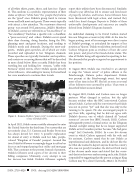
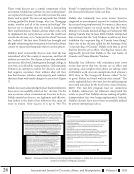
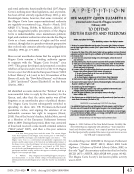
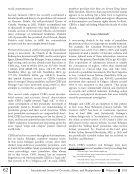
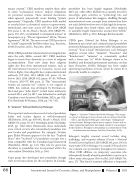
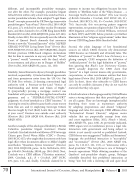
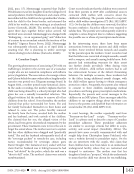
House of Lords, the “New Rebel Barons,” on February
7, 2001 “petitioned” Queen Elizabeth II on that basis
(Davies, 2001).
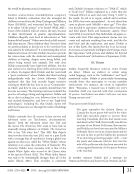
All identified accounts indicate the “Petition” led to a
noncommittal letter in reply by the Secretary for the
Queen, and, after that, the entire matter was all but
forgotten as an unorthodox piece of political theatre.
The Magna Carta Society subsequently switched to
spreading its ideas into UK Freeman-on-the-Land
pseudolaw circles, and arguing the existence of an
inalienable common law right to weapons (Hurst,
2010). One of the Society’s leaders, Ashley Mote, served
as a Member of the European Parliament between
2004 to 2009. During that period, Mote was convicted
of fraud and received a nine-month criminal sentence
(“MEP jailed,” 2007), and then a five-year sentence
5 At least three groups have used this name. The current Magna
Carta Trust operated as the Magna Carta Society prior to 1956 (https://
magnacarta800th.com/magna-carta-today/the-magna-carta-trust/). The
Magna Carta Trust is a conventional non-pseudolaw organization that
promotes public appreciation of the historical and philosophical impact of
the Magna Cartas. A Facebook Magna Carta Society group with nationalist,
conservative, and “Brexit” perspectives was formed in 2018 (https://
www.facebook.com/themagnacartasociety/). This second group has few
participants and little activity, and does not appear to advance pseudolegal
Magna Carta concepts and claims.
6 Website: http://magnacartasocietyblog.blogspot.com/p/mcs-
short-history.html. A second website (https://www.silentmajority.co.uk/
silentmajority/eurorealist/MagnaCarta/) states the Society was founded in
1999.
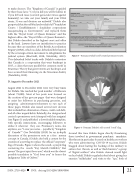
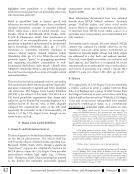
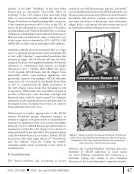
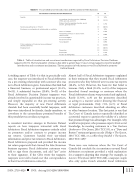
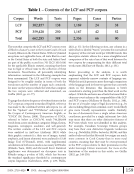
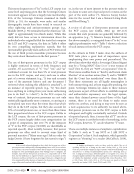
Figure 1 -2001 Petition of the New Rebel Barons. Notably, the
New Rebel Barons explicitly self-identify as “Your Majesty’s
loyal and obedient subjects,” not a typical position for a group
that had purportedly upended the status of governments across
the UK and Commonwealth.
for embezzling over £400,000 in European Parliament
expenses (“Former MEP,” 2015). Mote’s 2001 book
Vigilance: A Defence of British Liberty (Mote, 2001) is
the only “legal” documentary authority relied on by the
MCLR (AVI v MHVB, 2020 ABQB 489, paras. 80-82).
The Magna Carta Society’s last known public activity
was in 2017.
and royal authority, functionally the final 1297 Magna
Carta is nothing more than legislation, and, at present,
has been all but entirely repealed (Breay, 2010, p. 48).
Pseudolegal claims, however, that some version(s) of
the Magna Carta have supraconstitutional authority
are regularly encountered (e.g., Meads v Meads, 2012
ABQB 571 Young, Hobbs, &McIntyre, 2023). In a
way, the exaggerated public perception of the Magna
Carta is understandable, since mainstream political,
legal, and academic authorities often invoke the Magna
Carta as a basic restatement of rights and the social
contract, though that is a purely revisionist perspective
that evolved only centuries after the original legislation
(Hindley, 1990, pp. 171-200).
More recent unorthodox claims that the original 1215
Magna Carta remains a binding authority appear
to originate with the “Magna Carta Society,”5
1
circa
1997.6 This group developed and promoted a modern
rebellion of barons under Article 61 of the 1215 Magna
Carta to eject the UK from the European Union (“MCS
A Short History,” n.d.) and, in fact, 28 members of the
House of Lords, the “New Rebel Barons,” on February
7, 2001 “petitioned” Queen Elizabeth II on that basis
(Davies, 2001).
All identified accounts indicate the “Petition” led to a
noncommittal letter in reply by the Secretary for the
Queen, and, after that, the entire matter was all but
forgotten as an unorthodox piece of political theatre.
The Magna Carta Society subsequently switched to
spreading its ideas into UK Freeman-on-the-Land
pseudolaw circles, and arguing the existence of an
inalienable common law right to weapons (Hurst,
2010). One of the Society’s leaders, Ashley Mote, served
as a Member of the European Parliament between
2004 to 2009. During that period, Mote was convicted
of fraud and received a nine-month criminal sentence
(“MEP jailed,” 2007), and then a five-year sentence
5 At least three groups have used this name. The current Magna
Carta Trust operated as the Magna Carta Society prior to 1956 (https://
magnacarta800th.com/magna-carta-today/the-magna-carta-trust/). The
Magna Carta Trust is a conventional non-pseudolaw organization that
promotes public appreciation of the historical and philosophical impact of
the Magna Cartas. A Facebook Magna Carta Society group with nationalist,
conservative, and “Brexit” perspectives was formed in 2018 (https://
www.facebook.com/themagnacartasociety/). This second group has few
participants and little activity, and does not appear to advance pseudolegal
Magna Carta concepts and claims.
6 Website: http://magnacartasocietyblog.blogspot.com/p/mcs-
short-history.html. A second website (https://www.silentmajority.co.uk/
silentmajority/eurorealist/MagnaCarta/) states the Society was founded in
1999.
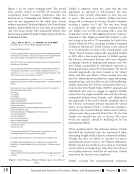
Figure 1 -2001 Petition of the New Rebel Barons. Notably, the
New Rebel Barons explicitly self-identify as “Your Majesty’s
loyal and obedient subjects,” not a typical position for a group
that had purportedly upended the status of governments across
the UK and Commonwealth.
for embezzling over £400,000 in European Parliament
expenses (“Former MEP,” 2015). Mote’s 2001 book
Vigilance: A Defence of British Liberty (Mote, 2001) is
the only “legal” documentary authority relied on by the
MCLR (AVI v MHVB, 2020 ABQB 489, paras. 80-82).
The Magna Carta Society’s last known public activity
was in 2017.