ISSN: 2710-4028 DOI: doi.org/10.54208/1000/0006 1
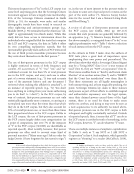
I. What is Pseudolaw?
This special issue of the International Journal of
Coercion, Abuse, and Manipulation is the first collection
of studies that investigates, evaluates, and describes
the social structure, organization, and operations
of various groups that employ an array of false law
concepts that are commonly referred to as “pseudolaw.”
Pseudolaw is a composite of several parts.
A. Pseudolaw is a Unique Legal System
First, pseudolaw is “law,” a system of rules and principles
that structure interpersonal interactions. Pseudolaw
is, functionally, a separate and unique legal system
(Koniak, 1997 Netolitzky, 2018c, pp. 3-4 Netolitzky,
2021, pp. 183-186).
Unlike “conventional” legal systems that trace back to
antecedents that are hundreds, and sometimes even
thousands of years old, pseudolaw is a comparative
recent legal system that crystalized in the US around
2000 (Netolitzky, 2018b, p. 2 Netolitzky, 2021, pp. 166-
167). The rules that make up pseudolaw are framed
like law, and use legal language (McRoberts, 2019, pp.
637-644 Netolitzky, 2018a, pp. 420-421 Netolitzky,
doi.org/10.54208/1000/0006/001
The Perfect Weed for this Spoiling Soil: The Ideology, Orientation,
Organization, Cohesion, Social Control, and Deleterious Effects of
Pseudolaw Social Constructs
Donald J. Netolitzky, PhD, K.C.
Alberta Court of King’s Bench
Abstract: Pseudolaw is a system of not-law rules that has become broadly disseminated, worldwide. Pseudolaw
promises its users extraordinary empowerment, via a secret law that is concealed from the public. This article
introduces pseudolaw, its known characteristics, and discusses the relationship between pseudolaw and religion.
The social character and organization of pseudolaw populations and individual users is only poorly understood.
This article introduces six studies on that subject, collected in this special issue of the International Journal of
Coercion, Abuse, and Manipulation.
Keywords: Pseudolaw, Organized Pseudolegal Commercial Arguments, OPCA, Sovereign Citizen, Freemen-
on-the-Land
2018c Netolitzky, 2021, pp. 164-170), but some of
pseudolaw’s rules diverge from, and are rejected by,
conventional courts and legal systems (Kalinowski,
2019 McRoberts, 2019 Netolitzky, 2019 Sarteschi,
2020). In many ways, pseudolaw is a variation on
conventional, mainstream legal traditions, rather than
a completely novel construct (Netolitzky, 2018c, pp.
7-9). To date, pseudolaw has grounded most of its
rules and structure in a scheme that is recognizable
as primarily derived from the historical UK type
“common law” tradition.
For example, pseudolaw emphasizes binding voluntary
agreements between two equal bargainers, what are
usually called “contracts.” Rules that govern contracts
are pretty much universal in all legal systems,
worldwide. That universality makes sense, given how
“bargaining” has always been a core human activity.
Even Soviet legal systems employed a type of contract
law to organize economic functions (Farnsworth &
Mozolin, 1987). Bargaining is just something people
do every day, and so there is positive social value in
establishing ground rules for making those agreements,
and especially what to do when such agreements are
not completed.
I. What is Pseudolaw?
This special issue of the International Journal of
Coercion, Abuse, and Manipulation is the first collection
of studies that investigates, evaluates, and describes
the social structure, organization, and operations
of various groups that employ an array of false law
concepts that are commonly referred to as “pseudolaw.”
Pseudolaw is a composite of several parts.
A. Pseudolaw is a Unique Legal System
First, pseudolaw is “law,” a system of rules and principles
that structure interpersonal interactions. Pseudolaw
is, functionally, a separate and unique legal system
(Koniak, 1997 Netolitzky, 2018c, pp. 3-4 Netolitzky,
2021, pp. 183-186).
Unlike “conventional” legal systems that trace back to
antecedents that are hundreds, and sometimes even
thousands of years old, pseudolaw is a comparative
recent legal system that crystalized in the US around
2000 (Netolitzky, 2018b, p. 2 Netolitzky, 2021, pp. 166-
167). The rules that make up pseudolaw are framed
like law, and use legal language (McRoberts, 2019, pp.
637-644 Netolitzky, 2018a, pp. 420-421 Netolitzky,
doi.org/10.54208/1000/0006/001
The Perfect Weed for this Spoiling Soil: The Ideology, Orientation,
Organization, Cohesion, Social Control, and Deleterious Effects of
Pseudolaw Social Constructs
Donald J. Netolitzky, PhD, K.C.
Alberta Court of King’s Bench
Abstract: Pseudolaw is a system of not-law rules that has become broadly disseminated, worldwide. Pseudolaw
promises its users extraordinary empowerment, via a secret law that is concealed from the public. This article
introduces pseudolaw, its known characteristics, and discusses the relationship between pseudolaw and religion.
The social character and organization of pseudolaw populations and individual users is only poorly understood.
This article introduces six studies on that subject, collected in this special issue of the International Journal of
Coercion, Abuse, and Manipulation.
Keywords: Pseudolaw, Organized Pseudolegal Commercial Arguments, OPCA, Sovereign Citizen, Freemen-
on-the-Land
2018c Netolitzky, 2021, pp. 164-170), but some of
pseudolaw’s rules diverge from, and are rejected by,
conventional courts and legal systems (Kalinowski,
2019 McRoberts, 2019 Netolitzky, 2019 Sarteschi,
2020). In many ways, pseudolaw is a variation on
conventional, mainstream legal traditions, rather than
a completely novel construct (Netolitzky, 2018c, pp.
7-9). To date, pseudolaw has grounded most of its
rules and structure in a scheme that is recognizable
as primarily derived from the historical UK type
“common law” tradition.
For example, pseudolaw emphasizes binding voluntary
agreements between two equal bargainers, what are
usually called “contracts.” Rules that govern contracts
are pretty much universal in all legal systems,
worldwide. That universality makes sense, given how
“bargaining” has always been a core human activity.
Even Soviet legal systems employed a type of contract
law to organize economic functions (Farnsworth &
Mozolin, 1987). Bargaining is just something people
do every day, and so there is positive social value in
establishing ground rules for making those agreements,
and especially what to do when such agreements are
not completed.