International Journal of Coercion, Abuse, and Manipulation Volume 6 2023 110
2011 TCC 166 Kim v The Queen, 2017 TCC 246,
respectively).
A new unconventional argument was also deployed by
three Fiscal Arbitrators appellants: the Income Tax Act
purportedly breached the Canadian Charter of Rights
and Freedoms prohibition against discrimination
by discriminating against humans by denying them
corporate taxation status (Bradshaw v The Queen,
2017 TCC 123 Engel v Canada, 2017 FCA 122 Grier
v Canada, 2017 FCA 129). This argument was rejected
in all three instances.
The “Appeal Quashed” category are the most likely
unreported court decision candidates where taxpayers
continued pseudolaw or unconventional strategies.
That was only 0.68% (N=443) of Fiscal Arbitrators
appeals that did not result in a reported decision. That
low frequency also supports that Fiscal Arbitrators
taxpayers generally abandoned pseudolaw.
Both Watts and his wife personally filed appeals of their
CRA re-assessments. In each case these individuals’
appeals were dismissed when the Watts did not appear
at appeal hearings (Lawrence Watts -Watts v The
Queen (23 August 2016), Toronto 2014-1231(IT)G
(TCC) Miriam Watts -Watts v The Queen (27 June
2016), Toronto 2010-3180(IT)G (TCC)). A subsequent
Federal Court of Appeal challenge by Lawrence Watts
was dismissed (Watts v Canada, 2015 FCA 138).
Miriam Watts unsuccessfully deployed a pseudolaw
foisted unilateral agreement strategy in her appeal
proceeding (Watts v The Queen, 2016 TCC 148). Other
identified Fiscal Arbitrators promoters did not conduct
Tax Court of Canada proceedings in relation to their
personal income tax obligations.
Parties have an absolute right to appeal decisions of the
Tax Court of Canada to the Federal Court of Appeal.
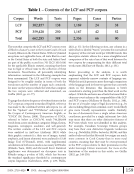
Four (13.3%, N=30) of the unsuccessful Decision
Dataset Tax Court of Canada appeals by lawyers were
then appealed to the Federal Court of Appeal. All four
appeals were unsuccessful, and none sought a further
review at the Supreme Court of Canada. A minority of
self-represented Decision Dataset appellants (29.3%,
N=27) initiated eight Federal Court of Appeal appeals:
six dismissed, one abandoned, and one discontinued.
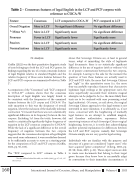
The different frequencies of represented versus self-
represented appellant appeals is not statistically
significant: x2(1, N=58)=2.049, p=0.153. One self-
represented taxpayer then sought and was denied
leave to appeal to the Supreme Court of Canada (Elio,
A Flesh and Blood Human Being, of the Family Dalle
Rive, Authorized Representative of Elio Dalle Rive v Her
Majesty the Queen (14 August 2014), Ottawa 35874
(SCC)). As is obvious from that style of cause, Dalle
Rive had continued to advance pseudolaw claims.
Interestingly, nearly two thirds (62.5%, N=8) of the
self-represented taxpayer appeals to the Federal Court
of Appeal were by the minority of self-represented
taxpayers who had continued to advance pseudolaw
and/or unorthodox legal claims in their Tax Court
of Canada proceedings. That fraction of the Decision
Dataset self-represented appellant pool was twice as
likely to continue their litigation after their failure at
the Tax Court of Canada, a difference that is unlikely
to be the result of random chance: x2(1, N=28)=6.318,
p=0.012.
D. Fiscal Arbitrators Taxpayer Recruitment,
Pseudolaw Belief, and Scheme Inducement
The majority of the Decision Dataset appeals provided
some narrative or explanation of how the taxpayer was
introduced to and recruited into the Fiscal Arbitrators
scheme. This information, usually the personal
testimony of the taxpayer or an agreed statement of facts,
was critical for the taxpayer to counter gross negligence
penalties imposed by the CRA, and to explain why the
taxpayer had not acted in an unreasonable manner,
or was not willfully blind, when the taxpayer signed
income tax returns that claimed very large but entirely
fictitious business loss expenses.
The Court’s evaluation of the truthfulness of these
taxpayer narratives was generally favorable. Decision
Dataset judgments only expressing any concern about
the credibility of the taxpayer in 29.1% (N=55) of cases.
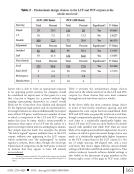
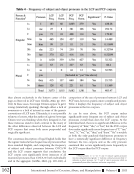
A large proportion (80.3%, n=53) of the Decision
Dataset taxpayers provided an explanation of how
they were introduced to and recruited into the Fiscal
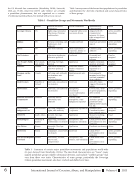
Arbitrators scheme. Table 4 summarizes the contact
mechanisms involved in that process:
2011 TCC 166 Kim v The Queen, 2017 TCC 246,
respectively).
A new unconventional argument was also deployed by
three Fiscal Arbitrators appellants: the Income Tax Act
purportedly breached the Canadian Charter of Rights
and Freedoms prohibition against discrimination
by discriminating against humans by denying them
corporate taxation status (Bradshaw v The Queen,
2017 TCC 123 Engel v Canada, 2017 FCA 122 Grier
v Canada, 2017 FCA 129). This argument was rejected
in all three instances.
The “Appeal Quashed” category are the most likely
unreported court decision candidates where taxpayers
continued pseudolaw or unconventional strategies.
That was only 0.68% (N=443) of Fiscal Arbitrators
appeals that did not result in a reported decision. That
low frequency also supports that Fiscal Arbitrators
taxpayers generally abandoned pseudolaw.
Both Watts and his wife personally filed appeals of their
CRA re-assessments. In each case these individuals’
appeals were dismissed when the Watts did not appear
at appeal hearings (Lawrence Watts -Watts v The
Queen (23 August 2016), Toronto 2014-1231(IT)G
(TCC) Miriam Watts -Watts v The Queen (27 June
2016), Toronto 2010-3180(IT)G (TCC)). A subsequent
Federal Court of Appeal challenge by Lawrence Watts
was dismissed (Watts v Canada, 2015 FCA 138).
Miriam Watts unsuccessfully deployed a pseudolaw
foisted unilateral agreement strategy in her appeal
proceeding (Watts v The Queen, 2016 TCC 148). Other
identified Fiscal Arbitrators promoters did not conduct
Tax Court of Canada proceedings in relation to their
personal income tax obligations.
Parties have an absolute right to appeal decisions of the
Tax Court of Canada to the Federal Court of Appeal.
Four (13.3%, N=30) of the unsuccessful Decision
Dataset Tax Court of Canada appeals by lawyers were
then appealed to the Federal Court of Appeal. All four
appeals were unsuccessful, and none sought a further
review at the Supreme Court of Canada. A minority of
self-represented Decision Dataset appellants (29.3%,
N=27) initiated eight Federal Court of Appeal appeals:
six dismissed, one abandoned, and one discontinued.
The different frequencies of represented versus self-
represented appellant appeals is not statistically
significant: x2(1, N=58)=2.049, p=0.153. One self-
represented taxpayer then sought and was denied
leave to appeal to the Supreme Court of Canada (Elio,
A Flesh and Blood Human Being, of the Family Dalle
Rive, Authorized Representative of Elio Dalle Rive v Her
Majesty the Queen (14 August 2014), Ottawa 35874
(SCC)). As is obvious from that style of cause, Dalle
Rive had continued to advance pseudolaw claims.
Interestingly, nearly two thirds (62.5%, N=8) of the
self-represented taxpayer appeals to the Federal Court
of Appeal were by the minority of self-represented
taxpayers who had continued to advance pseudolaw
and/or unorthodox legal claims in their Tax Court
of Canada proceedings. That fraction of the Decision
Dataset self-represented appellant pool was twice as
likely to continue their litigation after their failure at
the Tax Court of Canada, a difference that is unlikely
to be the result of random chance: x2(1, N=28)=6.318,
p=0.012.
D. Fiscal Arbitrators Taxpayer Recruitment,
Pseudolaw Belief, and Scheme Inducement
The majority of the Decision Dataset appeals provided
some narrative or explanation of how the taxpayer was
introduced to and recruited into the Fiscal Arbitrators
scheme. This information, usually the personal
testimony of the taxpayer or an agreed statement of facts,
was critical for the taxpayer to counter gross negligence
penalties imposed by the CRA, and to explain why the
taxpayer had not acted in an unreasonable manner,
or was not willfully blind, when the taxpayer signed
income tax returns that claimed very large but entirely
fictitious business loss expenses.
The Court’s evaluation of the truthfulness of these
taxpayer narratives was generally favorable. Decision
Dataset judgments only expressing any concern about
the credibility of the taxpayer in 29.1% (N=55) of cases.
A large proportion (80.3%, n=53) of the Decision
Dataset taxpayers provided an explanation of how
they were introduced to and recruited into the Fiscal
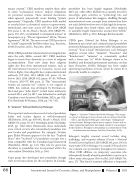
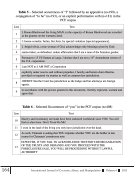
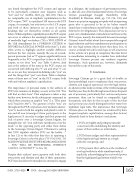
Arbitrators scheme. Table 4 summarizes the contact
mechanisms involved in that process: