Cultic Studies Review, Vol. 2, No. 2, 2003, Page 91
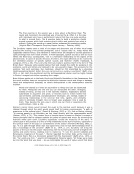
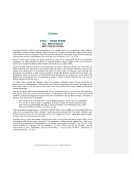
The model that underlies the diverse diagnostic proposals that have been offered is the
model of thought reform. Closely related are the dissociative model (thought reform would
be a form of a dissociative state) and the dependence model (thought reform gives way to
dependency).
In the first theoretical line (thought reform), we find proposals such as that of West &
Singer (1990), which concurs with the observations of Delgado (1977) and helped to
delineate the diagnosis of Cult Indoctrinee Syndrome:
1. Sudden, drastic alteration of the victim‘s value hierarchy, including abandonment of
previous academic or career goals. The changes are sudden and catastrophic, rather
than gradual changes that might result from maturation or education.
2. Reduction of cognitive flexibility and adaptability. The victim answers questions
mechanically, substituting stereotyped, cult-specific responses for what his own
responses might have been.
3. Narrowing and blunting of affect. Spontaneous feelings of interpersonal affection or
love are suppressed. The victim may appear emotionally flat and lifeless or almost
frantically cheerful and ebullient.
4. Regression. The victim becomes childishly dependent on the cult leaders, and desires
that they make decisions for him.
5. Physical changes. These often include weight loss, considerable deterioration in the
victim‘s physical appearance, and a strange or mask-like facial expression, with a
blank stare or darting, evasive eyes.
6. In some cases, clear-cut psychopathological changes may appear, including
dissociation, obsessional ruminations, delusional thinking, hallucinations, and various
other psychiatric signs and symptoms.
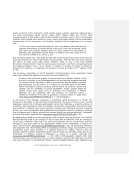
In the second theoretical line (dissociative model), there is a marked reference to atypical
dissociative disorder (or dissociative disorder not otherwise specified) included in DSM III
and IV (APA, 1983). The DSM diagnosis refers only to ―dissociative states that can present
themselves in individuals that have been subjected to periods of prolonged and intense
coercive persuasion (ex. brainwashing, thought reform or indoctrination in subjects in
captivity),‖ but at no point are the specific symptoms listed that would conform to this
residual category. Galper‘s research (1983) offers more content concerning the dissociative
disorder related to the complications of cults:
1. Identity loss group context mobilizes an identity crisis to achieve a profound and
rapid identification with the group ideology: group process leads to rejecting a
previous identity the follower is impelled to adopt a new ideological system by
identifying with the aggressor.
2. Psychological regression, decrease of secondary process of thinking, accompanied by
an intensification of primary processes: capacity for rational analysis diminishes,
cognitive flexibility is lost, primitive fusional aspects appear, a strong group feeling is
experienced, with the predominance of omnipotent thought.
3. Extraordinary narrowing and intensification in the phenomenological field of
conscious attention: strong group investing, relationships become potential spaces
for recruitment, affective alterations.
4. The group dynamics devalue the development of personal individuality and
uniqueness: internalizing norms stunts personal development.
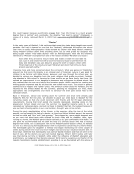
The model that underlies the diverse diagnostic proposals that have been offered is the
model of thought reform. Closely related are the dissociative model (thought reform would
be a form of a dissociative state) and the dependence model (thought reform gives way to
dependency).
In the first theoretical line (thought reform), we find proposals such as that of West &
Singer (1990), which concurs with the observations of Delgado (1977) and helped to
delineate the diagnosis of Cult Indoctrinee Syndrome:
1. Sudden, drastic alteration of the victim‘s value hierarchy, including abandonment of
previous academic or career goals. The changes are sudden and catastrophic, rather
than gradual changes that might result from maturation or education.
2. Reduction of cognitive flexibility and adaptability. The victim answers questions
mechanically, substituting stereotyped, cult-specific responses for what his own
responses might have been.
3. Narrowing and blunting of affect. Spontaneous feelings of interpersonal affection or
love are suppressed. The victim may appear emotionally flat and lifeless or almost
frantically cheerful and ebullient.
4. Regression. The victim becomes childishly dependent on the cult leaders, and desires
that they make decisions for him.
5. Physical changes. These often include weight loss, considerable deterioration in the
victim‘s physical appearance, and a strange or mask-like facial expression, with a
blank stare or darting, evasive eyes.
6. In some cases, clear-cut psychopathological changes may appear, including
dissociation, obsessional ruminations, delusional thinking, hallucinations, and various
other psychiatric signs and symptoms.
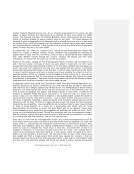
In the second theoretical line (dissociative model), there is a marked reference to atypical
dissociative disorder (or dissociative disorder not otherwise specified) included in DSM III
and IV (APA, 1983). The DSM diagnosis refers only to ―dissociative states that can present
themselves in individuals that have been subjected to periods of prolonged and intense
coercive persuasion (ex. brainwashing, thought reform or indoctrination in subjects in
captivity),‖ but at no point are the specific symptoms listed that would conform to this
residual category. Galper‘s research (1983) offers more content concerning the dissociative
disorder related to the complications of cults:
1. Identity loss group context mobilizes an identity crisis to achieve a profound and
rapid identification with the group ideology: group process leads to rejecting a
previous identity the follower is impelled to adopt a new ideological system by
identifying with the aggressor.
2. Psychological regression, decrease of secondary process of thinking, accompanied by
an intensification of primary processes: capacity for rational analysis diminishes,
cognitive flexibility is lost, primitive fusional aspects appear, a strong group feeling is
experienced, with the predominance of omnipotent thought.
3. Extraordinary narrowing and intensification in the phenomenological field of
conscious attention: strong group investing, relationships become potential spaces
for recruitment, affective alterations.
4. The group dynamics devalue the development of personal individuality and
uniqueness: internalizing norms stunts personal development.