Cultic Studies Review, Vol. 2, No. 2, 2003, Page 106
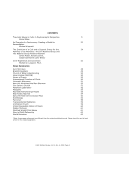
Beredene Jocelyn. Citizens of the Cosmos
Gisela and George O‘Neil, The Human Life
SS 104 The Festivals
Rudolf Steiner. The Cycle of the Year as a Breathing Process
Rudolf Steiner, The Festivals and Their Meaning
Rudolf Steiner. The Four Seasons and the Archangels
Hist 102 Rudolf Steiner: His Life and Work
Rudolf Steiner. The Course of My Life
Robert A. McDermott. Ed. The Essential Steiner
Stewart Easton, Man and World in the Light of Anthroposophy
Stewart Easton, Rudolf Steiner: Herald of a Modern Consciousness
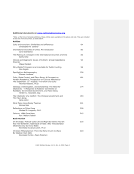
Hist 103 Evolution of Consciousness through Art
Gottfried Richter, Art and Human Consciousness*
Psych 100 Knowledge of the Higher Worlds
Rudolf Steiner, Knowledge of the Higher Worlds and its Attainment*
Rudolf Steiner, Foundation Stone*
F.W. Zeylemans, The Foundation Stone
Phil 103 World Evolution and Spiritual Development
Rudolf Steiner, Occult Science*
Rudolf Steiner, The Spiritual Hierarchies*
Lit 160 English and American Literature
An anthology of readings is provided for the class.
Phil 102 Christology
Rudolf Steiner, Spiritual Guidance of Man*
Rudolf Steiner, Christianity as Mystical Fact
Phil 100 Philosophy of Freedom
Rudolf Steiner. Philosophy of Freedom*
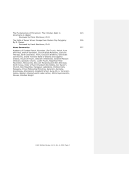
FA 100 Eurythmy
Rudolf Steiner, A Lecture on Eurythmy
Rudolf Steiner, An Introduction to Eurythmy
Marjorie Spock, Eurythmy
Ed 100 Introduction to Waldorf Education
Rudolf Steiner, Kingdom of Childhood*
Rudolf Steiner, Education of the Child in the Light of Spiritual Science*
Hist 110 America in the Light of Spiritual Science
An anthology of readings is provided for the class.
Psych 102 Karma and Reincarnation
Rudolf Steiner, Manifestations of Karma*
Rudolf Steiner, Reincarnation and Karma*
Rudolf Steiner, Karmic Relationships, Volumes 1-8
René Querido, Questions and Answers on Reincarnation and Karma*