Cultic Studies Review, Vol. 2, No. 2, 2003, Page 107
I can‘t help noticing the conventional designations of the courses. ―History 102‖ is the life
and work of Rudolf Steiner. ―Psych 102‖ is about karma and reincarnation. These course
numbers would look like a real educational program on a transcript, as long as the actual
course titles were omitted.
The second year of teacher training addresses education, but students are required to have
taken the Foundation Year first, or to demonstrate that they have equivalent indoctrination
in Anthroposophy. An instruction sheet from Rudolf Steiner College adds requirements to
the Teacher Training Application form. Perhaps these requirements were considered to be
sensitive, and the college did not want to publish them to strangers on the application form
that is sent out ―cold.‖
For students who have not completed the Foundation Year program at Rudolf
Steiner College or another comparable study center, in addition to the
procedures listed on the Teacher Training application form, the following are
also required:
1. A statement from yourself concerning your relationship to Anthroposophy.
This amounts to a religious test for entry to the teacher training year.
2. A letter of recommendation from a senior person in the anthroposophical
community who knows you well and could comment on you in the light of
your relationship to Anthroposophy.
Applicants aren‘t asked for a recommendation from, say, an employer or professor
concerning their suitability for teacher training, but from an Anthroposophist. One might
expect this priority of Anthroposophy over educational values to be reflected in the Waldorf
schools these teachers-to-be will be charged with creating.
3. A paper giving an overview of the knowledge you have gained
from a study of the following books by Rudolf Steiner:
Knowledge of the Higher Worlds and its Attainment
Occult Science
Theosophy
Philosophy of Freedom (Philosophy of Spiritual Activity)
Christianity as Mystical Fact
4. Evidence of some work in Eurythmy in the form of a letter describing the
extent and quality of what you have done and with whom.
5. Letters describing the extent and quality of your past work in painting,
music or other artistic fields. It is of particular interest if this artistic work has
been based on anthroposophical thought.
6. A statement outlining your experiences participating in celebration of
seasonal festivals and your study of the spiritual foundation of those festivals.
These questions are all about Anthroposophy. The reading list for the second year continues
in the same vein. Again, almost all the books not written by Steiner are from
Anthroposophic presses:
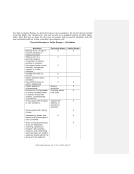
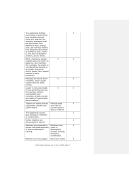
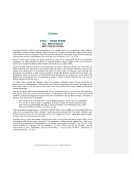
[Rudolf Steiner College]
Teacher Education Program Book List 1993-94
Students should read for the first day of class:
I can‘t help noticing the conventional designations of the courses. ―History 102‖ is the life
and work of Rudolf Steiner. ―Psych 102‖ is about karma and reincarnation. These course
numbers would look like a real educational program on a transcript, as long as the actual
course titles were omitted.
The second year of teacher training addresses education, but students are required to have
taken the Foundation Year first, or to demonstrate that they have equivalent indoctrination
in Anthroposophy. An instruction sheet from Rudolf Steiner College adds requirements to
the Teacher Training Application form. Perhaps these requirements were considered to be
sensitive, and the college did not want to publish them to strangers on the application form
that is sent out ―cold.‖
For students who have not completed the Foundation Year program at Rudolf
Steiner College or another comparable study center, in addition to the
procedures listed on the Teacher Training application form, the following are
also required:
1. A statement from yourself concerning your relationship to Anthroposophy.
This amounts to a religious test for entry to the teacher training year.
2. A letter of recommendation from a senior person in the anthroposophical
community who knows you well and could comment on you in the light of
your relationship to Anthroposophy.
Applicants aren‘t asked for a recommendation from, say, an employer or professor
concerning their suitability for teacher training, but from an Anthroposophist. One might
expect this priority of Anthroposophy over educational values to be reflected in the Waldorf
schools these teachers-to-be will be charged with creating.
3. A paper giving an overview of the knowledge you have gained
from a study of the following books by Rudolf Steiner:
Knowledge of the Higher Worlds and its Attainment
Occult Science
Theosophy
Philosophy of Freedom (Philosophy of Spiritual Activity)
Christianity as Mystical Fact
4. Evidence of some work in Eurythmy in the form of a letter describing the
extent and quality of what you have done and with whom.
5. Letters describing the extent and quality of your past work in painting,
music or other artistic fields. It is of particular interest if this artistic work has
been based on anthroposophical thought.
6. A statement outlining your experiences participating in celebration of
seasonal festivals and your study of the spiritual foundation of those festivals.
These questions are all about Anthroposophy. The reading list for the second year continues
in the same vein. Again, almost all the books not written by Steiner are from
Anthroposophic presses:
[Rudolf Steiner College]
Teacher Education Program Book List 1993-94
Students should read for the first day of class: