Cultic Studies Review, Vol. 2, No. 2, 2003, Page 157
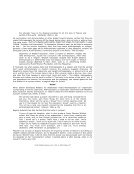
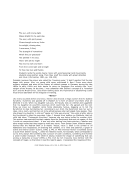
he is one who tells what he has seen and tested in the astral and spiritual
worlds or what has been revealed to him by trustworthy and reliable teachers.
He does not desire to convert but to quicken in others the sense that has
awakened in him and to enable them to see likewise. (Steiner, 1961, chapter
X, paragraph 1,
http://wnelib.com/Steiner/Lectures/Places/Paris/19060606p01.html ).
While Steiner‘s ―desire‖ inadvertently awakened me to the veiled esoteric base of Waldorf
schooling, it did not lead me to ―see likewise‖ to the contrary, it was ―to quicken‖ me to
leave the group and eventually become a Waldorf critic. My research brought to light who
the founder of Waldorf really was, how his doctrine steeped in the occult impacts all aspects
of his followers‘ lives and how to decode Anthroposophic double-speak. A pluralistic society
allows room for all, but Waldorf needs to be more open in clarifying its esoteric base.
Prospective parents are entitled to be informed of the concealed Anthroposophic mission of
this schooling system. Some may experience the warmth of belonging as freedom I was
scorched by the harsh light of Anthroposophy. You are either a moth drawn to the light, or
you are instead drawn to the porch. As a friend observed, ―You are drawn to Waldorf not
because of what it is, but because of what it is not.‖
References
Ahern, G. (1984). The sun at midnight: The Rudolf Steiner movement and the western
esoteric tradition. Wellington, Northamptonshire: The Aquarian Press.
Atkinson, G. (n.d.). Why use cow horns &are they antenna? Retrieved March 3, 2003 from
http://rimu.orcon.net.nz/garuda/books/cowhorns.html.
Bamford, C. &Utne, E. (2003, June). An Emerging Culture: Rudolf Steiner‘s continuing
impact in the world. Utne Magazine. Advertising section, pp. 1-48.
Cicero, C., &Cicero, S. (1998). Self-initiation into the Golden Dawn tradition: A complete
curriculum of study for both the solitary magician and the working magical group. St.
Paul, Minnesota: Llewellyn Publications.
Clulee, N. H. (1988). John Dee‘s natural philosophy: Between science and religion. New
York and London: Routledge.
Dunselman, R. (2000, May). A new phase for Anthroposophy. Anthroposophy Worldwide,
No. 4, 3-4.
Fletcher, J. (1987). Art inspired by Rudolf Steiner. England: Mercury Arts Publications.
Foss, N. (2003, March 16). Percedol. Retrieved March, 16, 2003, from
http://www.waldorfcritics.org/active/archives/WCA0212.html search page.
Friedman, N. S. (1998/99). First draft of guidelines for eurythmy in Waldorf schools from
the council of the eurythmy association of North America. The Eurythmy Association
Newsletter. Special Commemorative Newsletter. Retrieved March 3, 2003 from
www.eana.org/SUMMER%201999.pdf
Gershom, Rabbi Y. (1997, May). Multi-cultural aspects of reincarnation studies. Retrieved
March, 3, 2003, from the Institute for Discovery Science, Las Vegas:
http://www.pinenet.com/~rooster/multi.html Also available at
http://www.internetunderground.com/index.php?ParentID=278
Greer, J. M. (1997). Circles of power. St. Paul, Minnesota: Llewellyn Publications.
Jenkins, P. (2000). Mystics and messiahs: cults and new religions in American history.
Oxford: Oxford University Press.
Jungel, S. &Stockmar, S. (2000, May). Public relations for the spirit. [Interview with U.
Krattiger (S. Jungel), and conversation with M. Barkoff (S. Stockmar)].
Anthroposophy Worldwide, No. 4, 12.
Karlstad, M. (Winter 2001-2002). Pleasant Ridge and Anthroposophy. Calyx vol. 23, issue 2.
Pleasant Ridge Waldorf School.
King, F. (1970). Ritual magic in England. London: Neville Spearman.
he is one who tells what he has seen and tested in the astral and spiritual
worlds or what has been revealed to him by trustworthy and reliable teachers.
He does not desire to convert but to quicken in others the sense that has
awakened in him and to enable them to see likewise. (Steiner, 1961, chapter
X, paragraph 1,
http://wnelib.com/Steiner/Lectures/Places/Paris/19060606p01.html ).
While Steiner‘s ―desire‖ inadvertently awakened me to the veiled esoteric base of Waldorf
schooling, it did not lead me to ―see likewise‖ to the contrary, it was ―to quicken‖ me to
leave the group and eventually become a Waldorf critic. My research brought to light who
the founder of Waldorf really was, how his doctrine steeped in the occult impacts all aspects
of his followers‘ lives and how to decode Anthroposophic double-speak. A pluralistic society
allows room for all, but Waldorf needs to be more open in clarifying its esoteric base.
Prospective parents are entitled to be informed of the concealed Anthroposophic mission of
this schooling system. Some may experience the warmth of belonging as freedom I was
scorched by the harsh light of Anthroposophy. You are either a moth drawn to the light, or
you are instead drawn to the porch. As a friend observed, ―You are drawn to Waldorf not
because of what it is, but because of what it is not.‖
References
Ahern, G. (1984). The sun at midnight: The Rudolf Steiner movement and the western
esoteric tradition. Wellington, Northamptonshire: The Aquarian Press.
Atkinson, G. (n.d.). Why use cow horns &are they antenna? Retrieved March 3, 2003 from
http://rimu.orcon.net.nz/garuda/books/cowhorns.html.
Bamford, C. &Utne, E. (2003, June). An Emerging Culture: Rudolf Steiner‘s continuing
impact in the world. Utne Magazine. Advertising section, pp. 1-48.
Cicero, C., &Cicero, S. (1998). Self-initiation into the Golden Dawn tradition: A complete
curriculum of study for both the solitary magician and the working magical group. St.
Paul, Minnesota: Llewellyn Publications.
Clulee, N. H. (1988). John Dee‘s natural philosophy: Between science and religion. New
York and London: Routledge.
Dunselman, R. (2000, May). A new phase for Anthroposophy. Anthroposophy Worldwide,
No. 4, 3-4.
Fletcher, J. (1987). Art inspired by Rudolf Steiner. England: Mercury Arts Publications.
Foss, N. (2003, March 16). Percedol. Retrieved March, 16, 2003, from
http://www.waldorfcritics.org/active/archives/WCA0212.html search page.
Friedman, N. S. (1998/99). First draft of guidelines for eurythmy in Waldorf schools from
the council of the eurythmy association of North America. The Eurythmy Association
Newsletter. Special Commemorative Newsletter. Retrieved March 3, 2003 from
www.eana.org/SUMMER%201999.pdf
Gershom, Rabbi Y. (1997, May). Multi-cultural aspects of reincarnation studies. Retrieved
March, 3, 2003, from the Institute for Discovery Science, Las Vegas:
http://www.pinenet.com/~rooster/multi.html Also available at
http://www.internetunderground.com/index.php?ParentID=278
Greer, J. M. (1997). Circles of power. St. Paul, Minnesota: Llewellyn Publications.
Jenkins, P. (2000). Mystics and messiahs: cults and new religions in American history.
Oxford: Oxford University Press.
Jungel, S. &Stockmar, S. (2000, May). Public relations for the spirit. [Interview with U.
Krattiger (S. Jungel), and conversation with M. Barkoff (S. Stockmar)].
Anthroposophy Worldwide, No. 4, 12.
Karlstad, M. (Winter 2001-2002). Pleasant Ridge and Anthroposophy. Calyx vol. 23, issue 2.
Pleasant Ridge Waldorf School.
King, F. (1970). Ritual magic in England. London: Neville Spearman.