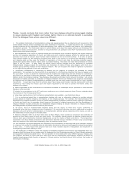
Cultic Studies Review, Vol. 2, No. 2, 2003, Page 74
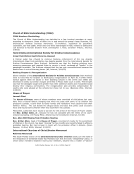
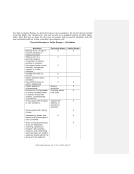
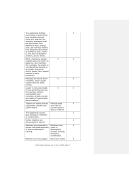
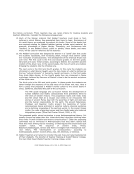
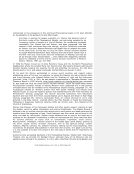
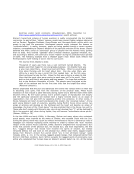
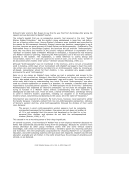
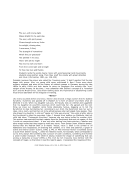
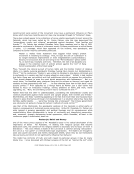
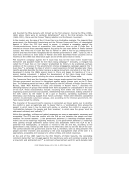
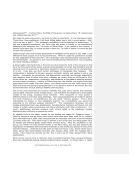
The leadership dictates
sometimes in great detail
how members should
think, act, and feel (for
example, members must
get permission from
leaders to date, change
jobs, get married leaders
may prescribe what types
of clothes to wear, where
to live, how to discipline
children, and so forth).
X
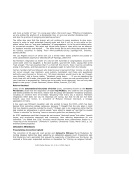
Elitist, claiming a special,
exalted status for itself, its
leader(s), and members
(for example, the leader is
considered the Messiah or
an avatar the group
and/or leader has a special
mission to save
humanity).
X X
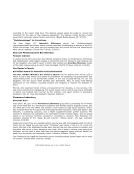
Polarized us-versus-them
mentality, which causes
conflict with the wider
society.
X X
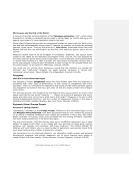
Leader is not accountable
to any authorities (as are,
for example, military
commanders and
ministers, priests, monks,
and rabbis of mainstream
denominations).
X X
Teaches or implies that its
supposedly exalted ends
justify means.
Political goals
and view of
current options
lead to violence.
X
The leadership induces
guilt feelings in members
to control them.
X
Family relations are
discouraged or barred.
X
Members are expected to
devote inordinate amounts
of time to ideological
training.
Members may
come in
ideologically
primed training
extensive
nonetheless.
X
Members are encouraged Must work within X
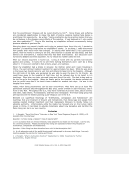
The leadership dictates
sometimes in great detail
how members should
think, act, and feel (for
example, members must
get permission from
leaders to date, change
jobs, get married leaders
may prescribe what types
of clothes to wear, where
to live, how to discipline
children, and so forth).
X
Elitist, claiming a special,
exalted status for itself, its
leader(s), and members
(for example, the leader is
considered the Messiah or
an avatar the group
and/or leader has a special
mission to save
humanity).
X X
Polarized us-versus-them
mentality, which causes
conflict with the wider
society.
X X
Leader is not accountable
to any authorities (as are,
for example, military
commanders and
ministers, priests, monks,
and rabbis of mainstream
denominations).
X X
Teaches or implies that its
supposedly exalted ends
justify means.
Political goals
and view of
current options
lead to violence.
X
The leadership induces
guilt feelings in members
to control them.
X
Family relations are
discouraged or barred.
X
Members are expected to
devote inordinate amounts
of time to ideological
training.
Members may
come in
ideologically
primed training
extensive
nonetheless.
X
Members are encouraged Must work within X