Cultic Studies Journal, Vol. 15, No. 2, 1998, page 68
Reported Quality of Personal Relationships
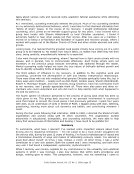
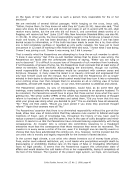
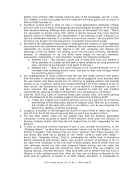
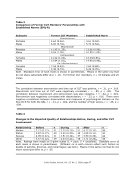
Table 4 shows the mean reported quality of personal relationships before, during, and after
CUT involvement. Paired-sample t tests across all relationships revealed higher ratings
before than during CUT involvement. In addition, all after ratings were higher than
corresponding during ratings. For spouse relationships, ratings were higher before and after
than during CUT involvement, and for other relationships, ratings were higher before than
after during ratings were the worst. In short, the reported quality of all relationships was
consistently worse during CUT involvement.
Discussion
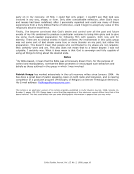
This study investigated a sample not examined by previous research: former members of
CUT. It used the first, and as yet only, objective measure designed to assess the level of
group abusiveness, the GPA Scale (Chambers et al., 1994). A novel use of the instrument
made it possible to measure reported discrepancies between initial and post-involvement
perceptions of abusiveness, thereby assessing the extent to which individuals‘ interpretation
of events may have changed or to what extent misrepresentation on the part of the group
may have influenced their perceptions. Although the study used no comparison groups -a
design feature that may be regarded as a weakness --whenever it was appropriate and
possible, we made use of established normative values and comparative data from previous
research to evaluate the findings. They clarify the major four research questions posed
earlier.
Perceived Abusiveness and Deception
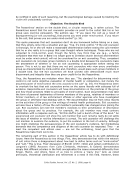
No previous study using the GPA scale has found mean values for the composite score and
each subscale score that were as high as those found here. The difference between the
overall GPA means for another cultic group, the BCC (Langone, 1995), and the CUT sample
exceeded two standard deviations. The overall GPA mean in the initial study (110.7), which
surveyed former members of 101 different cults, was only 2.2 points higher than the mean
score of the BCC sample (Langone, 1995). The present findings suggest that among groups
perceived as abusive by their former members, CUT is at the high end of reported
abusiveness. Even if sampling bias is taken into account and one assumes that the mean
score of former members who do not subscribe to the newsletter were two standard
deviations below that of subscribers, ex-CUT members‘ GPA means would be similar to
those obtained from former members of other allegedly cultic groups.
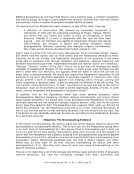
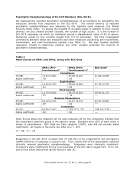
A comparison of retrospective GPA scores reflecting ex-members‘ recollections of their
perceptions when they first joined the group with their post-involvement perceptions
revealed profound differences (see Table 1). Several studies have investigated
retrospection biases (Marcus, 1986 for a review, see Dawes, 1988). These studies argue
that recollections of past beliefs are biased toward current beliefs. The large discrepancies
between retrospective perceptions and current perceptions of former CUT members suggest
that any such bias did not eliminate the differences found here. The perceptions these ex-
members remember having had at the time they joined CUT match the image CUT tries to
portray, which is clearly a nonabusive one. Respondents‘ current perceptions reflect a
highly abusive environment. If a retrospection bias toward current views operated in this
study, the retrospective scores were conservative. If we had been able to measure
abusiveness while respondents were actually joining CUT, the reported abusiveness might
have been even lower. Other studies suggest that peoples‘ investment (e.g., in time,
money, or emotion) in something biases them to exaggerate the differences between pre-
and post-involvement if there is an unconscious desire to justify the investment by viewing
the change as a positive one. In the present study, the change in perception was negative.
Thus, given the conditions and findings of this particular study, neither of these conclusions
offers an adequate explanation.
Reported Quality of Personal Relationships
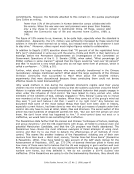
Table 4 shows the mean reported quality of personal relationships before, during, and after
CUT involvement. Paired-sample t tests across all relationships revealed higher ratings
before than during CUT involvement. In addition, all after ratings were higher than
corresponding during ratings. For spouse relationships, ratings were higher before and after
than during CUT involvement, and for other relationships, ratings were higher before than
after during ratings were the worst. In short, the reported quality of all relationships was
consistently worse during CUT involvement.
Discussion
This study investigated a sample not examined by previous research: former members of
CUT. It used the first, and as yet only, objective measure designed to assess the level of
group abusiveness, the GPA Scale (Chambers et al., 1994). A novel use of the instrument
made it possible to measure reported discrepancies between initial and post-involvement
perceptions of abusiveness, thereby assessing the extent to which individuals‘ interpretation
of events may have changed or to what extent misrepresentation on the part of the group
may have influenced their perceptions. Although the study used no comparison groups -a
design feature that may be regarded as a weakness --whenever it was appropriate and
possible, we made use of established normative values and comparative data from previous
research to evaluate the findings. They clarify the major four research questions posed
earlier.
Perceived Abusiveness and Deception
No previous study using the GPA scale has found mean values for the composite score and
each subscale score that were as high as those found here. The difference between the
overall GPA means for another cultic group, the BCC (Langone, 1995), and the CUT sample
exceeded two standard deviations. The overall GPA mean in the initial study (110.7), which
surveyed former members of 101 different cults, was only 2.2 points higher than the mean
score of the BCC sample (Langone, 1995). The present findings suggest that among groups
perceived as abusive by their former members, CUT is at the high end of reported
abusiveness. Even if sampling bias is taken into account and one assumes that the mean
score of former members who do not subscribe to the newsletter were two standard
deviations below that of subscribers, ex-CUT members‘ GPA means would be similar to
those obtained from former members of other allegedly cultic groups.
A comparison of retrospective GPA scores reflecting ex-members‘ recollections of their
perceptions when they first joined the group with their post-involvement perceptions
revealed profound differences (see Table 1). Several studies have investigated
retrospection biases (Marcus, 1986 for a review, see Dawes, 1988). These studies argue
that recollections of past beliefs are biased toward current beliefs. The large discrepancies
between retrospective perceptions and current perceptions of former CUT members suggest
that any such bias did not eliminate the differences found here. The perceptions these ex-
members remember having had at the time they joined CUT match the image CUT tries to
portray, which is clearly a nonabusive one. Respondents‘ current perceptions reflect a
highly abusive environment. If a retrospection bias toward current views operated in this
study, the retrospective scores were conservative. If we had been able to measure
abusiveness while respondents were actually joining CUT, the reported abusiveness might
have been even lower. Other studies suggest that peoples‘ investment (e.g., in time,
money, or emotion) in something biases them to exaggerate the differences between pre-
and post-involvement if there is an unconscious desire to justify the investment by viewing
the change as a positive one. In the present study, the change in perception was negative.
Thus, given the conditions and findings of this particular study, neither of these conclusions
offers an adequate explanation.