Cultic Studies Journal, Vol. 15, No. 2, 1998, page 63
Four individuals (6.6%) reported that they had received outpatient counseling before their
involvement with CUT. Three (4.9%) reported that they had received counseling during
their involvement. A total of 21 (34.4%) reported that they received counseling after
leaving the group, and 38 (62.3%) reported that they had never received any counseling.
(Percentages add up to more than 100% because some individuals had received therapy
during more than one of these periods.)
Thirty-eight (62.3%) respondents were involved in a formal or informal support group or
network at some time since their exit. Most comments relating to that involvement affirmed
the benefits of receiving validation that come from sharing with those who understand the
effects of cult involvement and the benefits of reducing their isolation.
Thirty-five respondents (57.4%) rated the overall CUT experience as very harmful, 16
(26.2%) as harmful, 4 (6.6%) as neutral, 3 (4.9%) as mildly beneficial, and another 3
(4.9%) as very beneficial. Several individuals falling into the latter two categories qualified
their responses by stating that they had learned to recognize abuse for what it was, learned
that they had the right and power not to subject themselves to it any longer, or both.
A total of 36 respondents (59.0%) reported that CUT doctrine had made it very difficult for
them to leave, 8(13.1%) rated it as difficult, 3 (4.9%) as mildly difficult, 2 (3.3%) were not
sure, and 12 (19.7%) reported no difficulties with respect to leaving the group. A total of
32 respondents (52.5%) reported that group pressure was a very difficult force to counter
in their leaving process, 10 (16.4%) found it difficult, 6 (9.8%) mildly difficult, and 11
(18.0%) reported no difficulty related to group pressure.
Results
Pre- and Post-involvement Perceptions of Abuse.
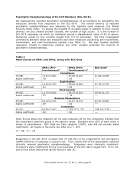
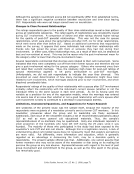
Table 1 shows the mean and standard error for each subscale, as well as for the composite
score, on both versions of the GPA. It also shows corresponding alpha coefficients. In
Table 1 and hereafter, the GPA filled out retrospectively, responding as if at the time of
joining CUT (pre-involvement), is referred to as GPA1, and the GPA responding as to current
perceptions of abuse (post-involvement) is referred to as GPA2.
Paired-sample t tests revealed that compared to the GPA1, reported abusiveness was
greater on each of the GPA2 subscales, as well as on the composite score, all t(59) 12.2,
p .001.
Comparison of GPA ratings for CUT and BCC.
With only means and standard deviations of previous studies available for statistical
analysis, a comparison of the GPA2 (post-involvement) ratings of former CUT members with
those of former BCC members was conducted using one-sample t tests for each of the
subscale means, as well as the composite mean. The means assumed according to the null
hypothesis for these t tests were those from Langone‘s (1995) investigation of the BCC.
Although Langone published the means from two separate samples of BCC ex-members, we
used the higher values to make a more conservative comparison. As shown in Table 1,
GPA2 means were higher than the corresponding BCC means on each subscale, as well as
on the Composite, all t (60) 7.7, p .001. A comparison with other groups investigated
by Langone was unnecessary, because their mean scores were significantly lower than
those for BCC. A comparison using the means of the original GPA study (Chambers et al.,
1994) was also significant for each subscale rating and the composite rating, all t 6.48, p
.001.
Evidence of discriminant validity for the GPA scale comes from the nonsignificant
correlations between the lie scale of the EPQ-R and GPA1 and GPA2 Composite scores, both
p .05.
Four individuals (6.6%) reported that they had received outpatient counseling before their
involvement with CUT. Three (4.9%) reported that they had received counseling during
their involvement. A total of 21 (34.4%) reported that they received counseling after
leaving the group, and 38 (62.3%) reported that they had never received any counseling.
(Percentages add up to more than 100% because some individuals had received therapy
during more than one of these periods.)
Thirty-eight (62.3%) respondents were involved in a formal or informal support group or
network at some time since their exit. Most comments relating to that involvement affirmed
the benefits of receiving validation that come from sharing with those who understand the
effects of cult involvement and the benefits of reducing their isolation.
Thirty-five respondents (57.4%) rated the overall CUT experience as very harmful, 16
(26.2%) as harmful, 4 (6.6%) as neutral, 3 (4.9%) as mildly beneficial, and another 3
(4.9%) as very beneficial. Several individuals falling into the latter two categories qualified
their responses by stating that they had learned to recognize abuse for what it was, learned
that they had the right and power not to subject themselves to it any longer, or both.
A total of 36 respondents (59.0%) reported that CUT doctrine had made it very difficult for
them to leave, 8(13.1%) rated it as difficult, 3 (4.9%) as mildly difficult, 2 (3.3%) were not
sure, and 12 (19.7%) reported no difficulties with respect to leaving the group. A total of
32 respondents (52.5%) reported that group pressure was a very difficult force to counter
in their leaving process, 10 (16.4%) found it difficult, 6 (9.8%) mildly difficult, and 11
(18.0%) reported no difficulty related to group pressure.
Results
Pre- and Post-involvement Perceptions of Abuse.
Table 1 shows the mean and standard error for each subscale, as well as for the composite
score, on both versions of the GPA. It also shows corresponding alpha coefficients. In
Table 1 and hereafter, the GPA filled out retrospectively, responding as if at the time of
joining CUT (pre-involvement), is referred to as GPA1, and the GPA responding as to current
perceptions of abuse (post-involvement) is referred to as GPA2.
Paired-sample t tests revealed that compared to the GPA1, reported abusiveness was
greater on each of the GPA2 subscales, as well as on the composite score, all t(59) 12.2,
p .001.
Comparison of GPA ratings for CUT and BCC.
With only means and standard deviations of previous studies available for statistical
analysis, a comparison of the GPA2 (post-involvement) ratings of former CUT members with
those of former BCC members was conducted using one-sample t tests for each of the
subscale means, as well as the composite mean. The means assumed according to the null
hypothesis for these t tests were those from Langone‘s (1995) investigation of the BCC.
Although Langone published the means from two separate samples of BCC ex-members, we
used the higher values to make a more conservative comparison. As shown in Table 1,
GPA2 means were higher than the corresponding BCC means on each subscale, as well as
on the Composite, all t (60) 7.7, p .001. A comparison with other groups investigated
by Langone was unnecessary, because their mean scores were significantly lower than
those for BCC. A comparison using the means of the original GPA study (Chambers et al.,
1994) was also significant for each subscale rating and the composite rating, all t 6.48, p
.001.
Evidence of discriminant validity for the GPA scale comes from the nonsignificant
correlations between the lie scale of the EPQ-R and GPA1 and GPA2 Composite scores, both
p .05.