Cultic Studies Journal, Vol. 15, No. 2, 1998, page 65
Group Psychological Abuse Ratings.
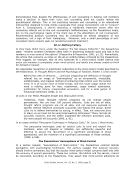
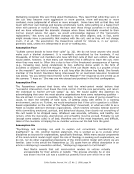
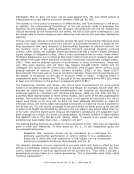
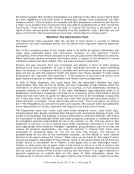
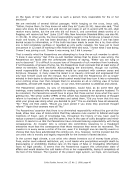
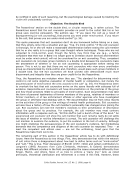
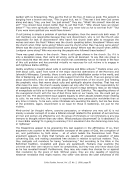
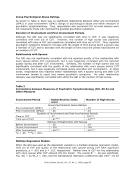
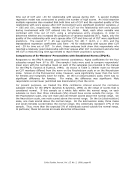
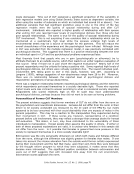
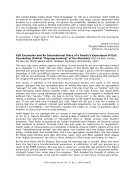
As shown in Table 2, there was no significant relationship between either pre-involvement
(GPA1) or post-involvement (GPA2) ratings of psychological abuse and either measure of
psychiatric symptomatology. Thus, respondents who perceived CUT as most abusive were
not necessarily those who reported the greatest psychiatric symptoms.
Duration of Involvement and Post-involvement Periods.
Although the GSI was not significantly correlated with time in CUT, it was negatively
correlated with time out of CUT. However, the number of high scores was positively
correlated with time in CUT and negatively correlated with time out of CUT. Thus, reported
psychiatric symptoms tended to increase with the length of time during which a person was
a member of CUT and to decrease with the length of time since the person had become an
ex-member of CUT.
Relationship with Spouse.
The GSI was not significantly correlated with the reported quality of the relationship with
one‘s spouse before CUT involvement, but it was negatively correlated with the reported
quality during and after CUT involvement. Similarly, the number of high scores was not
significantly correlated with the quality of the relationship with one‘s spouse before CUT
involvement, but it was negatively correlated during and after CUT involvement. In other
words, respondents who reported better relationships with a spouse during and after CUT
involvement tended to report less severe psychiatric symptoms. No other relationship
category was significantly correlated with either the GSI or the number of high scores.
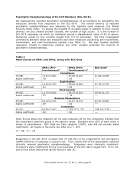
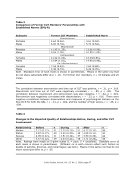
Table 2
Correlations between Measures of Psychiatric Symptomatology (SCL-90-R) and
Other Measures
Involvement Period Global Severity Index
(GSI)
Number of High Scores
Group Psychological Abuse Ratings
Pre-involvement (GPA1) -.15 -.16
Post-involvement (GPA2) -.16 -.03
Duration of involvement and Post-Involvement Periods
Time in CUT .27 .39***
Time out of CUT -.51*** -.53***
Ratings of Relationship with Spouse
Before Involvement -.26 -.19
During Involvement -.38* -.39*
After Involvement -.48*** -.56***
*p .05. ***p .001.
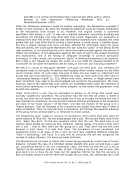
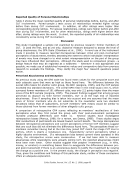
Multiple Regression Models.
When the GSI was used as the dependent variable in a multiple stepwise regression model,
time out of CUT and quality of the relationship with spouse during CUT were significant
predictors, p .001 and p .017, respectively. Neither time in CUT nor the relationship
with one‘s spouse after CUT entered into the model. The overall R2 =.46 was significant,
F(2, 40) =13.49, p .001, and the standardized regression coefficients (βs) were -.55 for
Group Psychological Abuse Ratings.
As shown in Table 2, there was no significant relationship between either pre-involvement
(GPA1) or post-involvement (GPA2) ratings of psychological abuse and either measure of
psychiatric symptomatology. Thus, respondents who perceived CUT as most abusive were
not necessarily those who reported the greatest psychiatric symptoms.
Duration of Involvement and Post-involvement Periods.
Although the GSI was not significantly correlated with time in CUT, it was negatively
correlated with time out of CUT. However, the number of high scores was positively
correlated with time in CUT and negatively correlated with time out of CUT. Thus, reported
psychiatric symptoms tended to increase with the length of time during which a person was
a member of CUT and to decrease with the length of time since the person had become an
ex-member of CUT.
Relationship with Spouse.
The GSI was not significantly correlated with the reported quality of the relationship with
one‘s spouse before CUT involvement, but it was negatively correlated with the reported
quality during and after CUT involvement. Similarly, the number of high scores was not
significantly correlated with the quality of the relationship with one‘s spouse before CUT
involvement, but it was negatively correlated during and after CUT involvement. In other
words, respondents who reported better relationships with a spouse during and after CUT
involvement tended to report less severe psychiatric symptoms. No other relationship
category was significantly correlated with either the GSI or the number of high scores.
Table 2
Correlations between Measures of Psychiatric Symptomatology (SCL-90-R) and
Other Measures
Involvement Period Global Severity Index
(GSI)
Number of High Scores
Group Psychological Abuse Ratings
Pre-involvement (GPA1) -.15 -.16
Post-involvement (GPA2) -.16 -.03
Duration of involvement and Post-Involvement Periods
Time in CUT .27 .39***
Time out of CUT -.51*** -.53***
Ratings of Relationship with Spouse
Before Involvement -.26 -.19
During Involvement -.38* -.39*
After Involvement -.48*** -.56***
*p .05. ***p .001.
Multiple Regression Models.
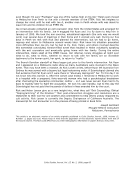
When the GSI was used as the dependent variable in a multiple stepwise regression model,
time out of CUT and quality of the relationship with spouse during CUT were significant
predictors, p .001 and p .017, respectively. Neither time in CUT nor the relationship
with one‘s spouse after CUT entered into the model. The overall R2 =.46 was significant,
F(2, 40) =13.49, p .001, and the standardized regression coefficients (βs) were -.55 for