Cultic Studies Journal, Vol. 15, No. 2, 1998, page 64
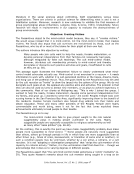
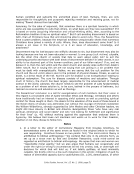
Psychiatric Symptomatology of Ex-CUT Members (SCL-90-R).
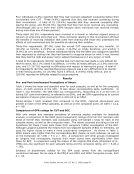
We assessed the reported psychiatric symptomatology of ex-members by calculating two
measures derived from responses to the SCL-90-R. The overall severity of reported
psychiatric symptomatology was assessed by the typically used measure, the Global
Severity Index (GSI). To assess the breadth of elevated scales in addition to their overall
severity, we also created another variable, the number of high scores. It is the number of
SCL-90-R subscales on which an individual scored a standardized value of 63 or above.
Numerical values for this variable ranged from 0-9 (9 subscales). We then investigated
correlations between these two measures and other measures concerning pre-involvement,
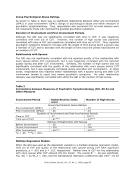
involvement, and post-involvement periods (see Table 2). We also created multiple
regression models to determine whether any other variable predicted the severity of
psychiatric symptomatology.
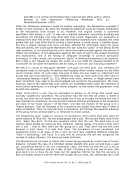
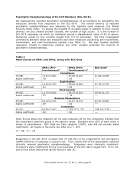
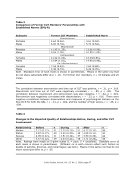
Table 1
Mean Scores on GPA1 and GPA2, along with BCC Data
GPA1 (Pre-
Involvement)a
GPA2 (Post
Involvement)1a
BCC Datab
Compliance
M (SE) 17.03 (0.80) 33.98 (0.26) 31.86 (O.85)
Alpha coefficient .78 .82 ---
Exploitation
M (SE) 13.45 (0.73) 29.26 (0.98) 21.79 (0.73)
Alpha coefficient .61 .63 ---
Mind Control
M (SE) 11.70 (0.60) 34.33 (0.20) 30.43 (1.17)
Alpha coefficient .81 .78 ---
Anxious Dependency
M (SE) 19.72 (0.73) 31.67 (0.33) 24.43 (0.84)
Alpha coefficient .69 .63 ---
Composite
M (SE) 62.90 (2.47) 129.23 (1.31) 108.50 (2.91)
Alpha coefficient .90 .84 ---
Note. Scores above the midpoint (21 for each subscale, 84 for the composite) indicate that
the respondent rated the group in the abusive range. Standard error (SE) of each mean is
shown in parentheses. BCC data are from Langone (1995), who did not provide alpha
coefficients. All means in the same row differ at p .001.
a n =60. b n =15
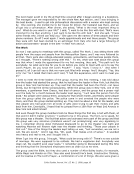
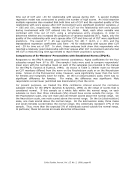
Responses to the SCL-90-R revealed that 27 (49.1%) of the respondents met Derogatis‘s
(1994) definition of caseness or positive risk. Thus, nearly half of the respondents reported
clinically relevant psychiatric symptomatology. Responses were internally consistent:
Cronbach‘s alpha coefficients for the nine subscales of the SCL-90-R ranged from .75 to .95,
and for the entire instrument (all 90 items) it was .97.
Psychiatric Symptomatology of Ex-CUT Members (SCL-90-R).
We assessed the reported psychiatric symptomatology of ex-members by calculating two
measures derived from responses to the SCL-90-R. The overall severity of reported
psychiatric symptomatology was assessed by the typically used measure, the Global
Severity Index (GSI). To assess the breadth of elevated scales in addition to their overall
severity, we also created another variable, the number of high scores. It is the number of
SCL-90-R subscales on which an individual scored a standardized value of 63 or above.
Numerical values for this variable ranged from 0-9 (9 subscales). We then investigated
correlations between these two measures and other measures concerning pre-involvement,
involvement, and post-involvement periods (see Table 2). We also created multiple
regression models to determine whether any other variable predicted the severity of
psychiatric symptomatology.
Table 1
Mean Scores on GPA1 and GPA2, along with BCC Data
GPA1 (Pre-
Involvement)a
GPA2 (Post
Involvement)1a
BCC Datab
Compliance
M (SE) 17.03 (0.80) 33.98 (0.26) 31.86 (O.85)
Alpha coefficient .78 .82 ---
Exploitation
M (SE) 13.45 (0.73) 29.26 (0.98) 21.79 (0.73)
Alpha coefficient .61 .63 ---
Mind Control
M (SE) 11.70 (0.60) 34.33 (0.20) 30.43 (1.17)
Alpha coefficient .81 .78 ---
Anxious Dependency
M (SE) 19.72 (0.73) 31.67 (0.33) 24.43 (0.84)
Alpha coefficient .69 .63 ---
Composite
M (SE) 62.90 (2.47) 129.23 (1.31) 108.50 (2.91)
Alpha coefficient .90 .84 ---
Note. Scores above the midpoint (21 for each subscale, 84 for the composite) indicate that
the respondent rated the group in the abusive range. Standard error (SE) of each mean is
shown in parentheses. BCC data are from Langone (1995), who did not provide alpha
coefficients. All means in the same row differ at p .001.
a n =60. b n =15
Responses to the SCL-90-R revealed that 27 (49.1%) of the respondents met Derogatis‘s
(1994) definition of caseness or positive risk. Thus, nearly half of the respondents reported
clinically relevant psychiatric symptomatology. Responses were internally consistent:
Cronbach‘s alpha coefficients for the nine subscales of the SCL-90-R ranged from .75 to .95,
and for the entire instrument (all 90 items) it was .97.