Cultic Studies Review, Vol. 5, No. 2, 2006, Page 73
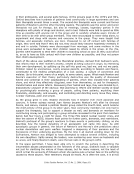
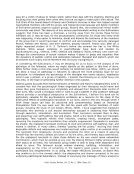
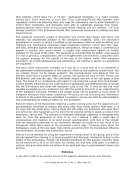
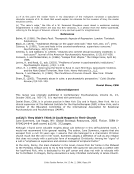
The largest group (38 percent) of mosque participants prefers a flexible approach to
understanding Islam. Only 8 percent of participants follow the Salafi approach, which
can be described as very conservative. About 50 percent of participants follow various
classical schools.
Obviously, the residents of Muslim nations may hold very different views from Muslims
living in Detroit. Because some of these nations are authoritarian, the reliability of surveys,
if they even exist, might be called into question. However, there are indications that
extremism is not as popular as the clash-of-civilizations question in the Pew survey might
lead one to believe. A Pew Global Attitudes Project report (2005, July 14), for example,
found the following percentages of respondents affirming that Islamic extremism was a
threat to their country: Morocco, 73% Pakistan, 52% Turkey, 45% Indonesia, 45%
Lebanon, 26% (53% among Christians, 4% among Muslims), Jordan, 10%. Although the
lower figures among Jordanian and Lebanese Muslims might indicate that their populations
are more radicalized or, conversely, that they feel more confident in the stability of their
countries, the fact remains that residents in major Muslim countries share Westerners‘
concerns about extremism and, consequently, shouldn‘t be viewed as supporting it.
This survey also found that support for suicide bombing is not high. The disparity in the
percentages of respondents saying that suicide bombing is never justified reveals major
differences among Muslim nations: Jordan, 11% Lebanon, 33% Pakistan, 47% Indonesia,
66% Turkey, 66% Morocco, 79%.
High percentages of respondents also believed that democracy could work in their countries
and was not only for the West: Turkey, 48% Pakistan, 43% Lebanon, 80% Jordan, 80%
Morocco, 83% Indonesia, 77%. These figures are supported by another survey, conducted
by the Institute for Social Research, which found that Muslims and Westerners differed more
on their attitudes toward sex than toward democracy (Swanbrow, 2003, March 10). This
survey found that
68 percent in both the West and Islamic nations strongly disagree that
democracies are indecisive and have trouble keeping order, and 61 percent
in both societies strongly disagree that it's best for a country to have a
powerful leader who decides what to do without bothering about elections
and government procedures. Fully 86 percent of those surveyed in the West,
and 87 percent of those in Muslim nations, strongly agree that democracy
may have problems but it's better than any other form of government.
Walker (2006), in an essay that challenges alarming portrayals of the Muslim threat to
Europe (e.g., Fallaci, 2004 Bawer, 2006), says an
opinion poll conducted in Britain for the BBC after the London bombings
found that almost nine in 10 of the more than 1,000 Muslims surveyed said
they would and should help the police tackle extremists in Britain‘s Muslim
communities. More than half wanted foreign Muslim clerics barred or expelled
from Britain. Fifty-six percent said they were optimistic about their children‘s
future in Britain. And only one in five said that Muslim communities had
already integrated too much with British society, while 40 percent wanted
more integration.
The Pew Global Attitudes Project (2005, July 14) also found that residents of some Muslim
nations tended to have favorable attitudes toward Christians (Indonesia, 58% Lebanon,
91% Jordan, 58%), although in other nations the favorability ratings were low (Morocco,
33% Turkey, 21% Pakistan, 22%). Unfortunately, the favorability ratings of Jews in all
Muslim nations in the survey were dismal (Turkey, 18% Pakistan, 5% Indonesia, 13%
Lebanon, 0% Jordan, 0% Morocco, 8%).
The largest group (38 percent) of mosque participants prefers a flexible approach to
understanding Islam. Only 8 percent of participants follow the Salafi approach, which
can be described as very conservative. About 50 percent of participants follow various
classical schools.
Obviously, the residents of Muslim nations may hold very different views from Muslims
living in Detroit. Because some of these nations are authoritarian, the reliability of surveys,
if they even exist, might be called into question. However, there are indications that
extremism is not as popular as the clash-of-civilizations question in the Pew survey might
lead one to believe. A Pew Global Attitudes Project report (2005, July 14), for example,
found the following percentages of respondents affirming that Islamic extremism was a
threat to their country: Morocco, 73% Pakistan, 52% Turkey, 45% Indonesia, 45%
Lebanon, 26% (53% among Christians, 4% among Muslims), Jordan, 10%. Although the
lower figures among Jordanian and Lebanese Muslims might indicate that their populations
are more radicalized or, conversely, that they feel more confident in the stability of their
countries, the fact remains that residents in major Muslim countries share Westerners‘
concerns about extremism and, consequently, shouldn‘t be viewed as supporting it.
This survey also found that support for suicide bombing is not high. The disparity in the
percentages of respondents saying that suicide bombing is never justified reveals major
differences among Muslim nations: Jordan, 11% Lebanon, 33% Pakistan, 47% Indonesia,
66% Turkey, 66% Morocco, 79%.
High percentages of respondents also believed that democracy could work in their countries
and was not only for the West: Turkey, 48% Pakistan, 43% Lebanon, 80% Jordan, 80%
Morocco, 83% Indonesia, 77%. These figures are supported by another survey, conducted
by the Institute for Social Research, which found that Muslims and Westerners differed more
on their attitudes toward sex than toward democracy (Swanbrow, 2003, March 10). This
survey found that
68 percent in both the West and Islamic nations strongly disagree that
democracies are indecisive and have trouble keeping order, and 61 percent
in both societies strongly disagree that it's best for a country to have a
powerful leader who decides what to do without bothering about elections
and government procedures. Fully 86 percent of those surveyed in the West,
and 87 percent of those in Muslim nations, strongly agree that democracy
may have problems but it's better than any other form of government.
Walker (2006), in an essay that challenges alarming portrayals of the Muslim threat to
Europe (e.g., Fallaci, 2004 Bawer, 2006), says an
opinion poll conducted in Britain for the BBC after the London bombings
found that almost nine in 10 of the more than 1,000 Muslims surveyed said
they would and should help the police tackle extremists in Britain‘s Muslim
communities. More than half wanted foreign Muslim clerics barred or expelled
from Britain. Fifty-six percent said they were optimistic about their children‘s
future in Britain. And only one in five said that Muslim communities had
already integrated too much with British society, while 40 percent wanted
more integration.
The Pew Global Attitudes Project (2005, July 14) also found that residents of some Muslim
nations tended to have favorable attitudes toward Christians (Indonesia, 58% Lebanon,
91% Jordan, 58%), although in other nations the favorability ratings were low (Morocco,
33% Turkey, 21% Pakistan, 22%). Unfortunately, the favorability ratings of Jews in all
Muslim nations in the survey were dismal (Turkey, 18% Pakistan, 5% Indonesia, 13%
Lebanon, 0% Jordan, 0% Morocco, 8%).