Cultic Studies Review, Vol. 5, No. 2, 2006, Page 30
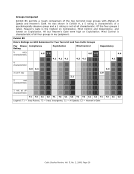
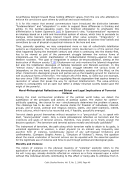
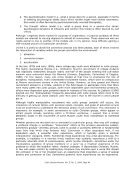
Total GPA Scores
Exhibit C
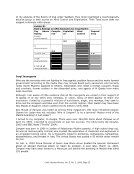
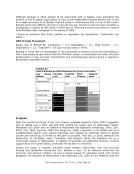
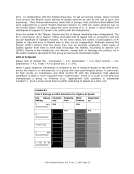
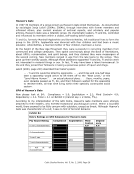
Dole’s Ratings on Total GPA for Two Terrorist and Two Cultic
Groups Compared to 51 Cultic Groups
Psy Abuse
Rating
Iraqi
Rulers
Insurg
ents
Al Qaeda Heaven’s
Gate
51 Cultic
Groups
5 very
characteristic 4.4
4.1 4.0
4 characteristic 3.6
3.8
3 can‘t say
2 not
characteristic
1 not at all
characteristic
My ratings (mean of all means) as shown on Exhibit C for the four groups were: Iraqi Rulers
=3.6, somewhat less than characteristic of a psychologically abusive group Iraqi
Insurgents =3.8 Afghan Al Qaeda =4.4 and Heaven's Gate =4.1, all characteristic of a
psychologically abusive group. Note that my ratings may be compared with those of the
members of 51 groups in the Chambers et al. (1994) study, who averaged 4.0,
characteristic.
In my eyes, then, Bin Laden and his followers, like the suicidal supporters of Ti and Do,
overall were decidedly cult-like the Iraqi militants headed by Zarqawi, including some who
were recruited by fundamentalist immams, shared with the Iraqi rulers before Gulf War I
some cultic features.
Implications
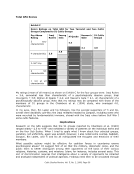
Research on the GPA suggests that the 51 groups reported by Chambers et al. (1994)
ranged widely—2.5 to 4.96—and exhibited a variety of patterns on the individual items and
on the four Sub Scales. When I tried to apply what I knew about four selected groups,
variation, not uniformity, again was evident, However, I also noted some overlap. Saddam,
Zarqawi, Bin Laden, and Ti and Do all manipulated the thoughts and emotions of their
members.
What possible actions might be effective for coalition forces in countering enemy
psychological abuse? I'd suggest first of all that the military, diplomatic corps, and the
public learn to better distinguish among their opponents on the basis of their various
religions, histories, customs, and missions. Islam, for instance, includes several sects. This
sort of discrimination requires that intelligence about a variety of opponents be collected
and analyzed independent of political agendas. Findings need then to be circulated through