Cultic Studies Review, Vol. 5, No. 2, 2006, Page 25
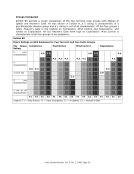
In my analysis of the Rulers of Iraq under Saddam, they most resembled a psychologically
abusive group in their scores on Mind Control and Exploitation. Their Total score does not
suggest a strongly cultic group.
Exhibit B1
Dole’s Ratings on GPA Subscales for Iraqi Rulers
Psy Abuse
Rating
Complia
nce
Exploitati
on
Mind
Control
Depend
ency
5 very
characteristic
4.1 4.3
4
characteristic
3.3
3 can‘t say 2.9
2 not
characteristic
1 not at all
characteristic
Iraqi Insurgents
Who are the terrorists who are fighting in Iraq against coalition forces and the newly formed
government? According to the media they may include Baath party secularists who formerly
ruled, Sunni Muslims opposed to Shiites, nationalists who resist a foreign occupier, thugs
and criminals, former soldiers in the disbanded army, and agents of Al Qaeda from many
Arab countries.
Although I am aware of little evidence that all the insurgents are united in their support of
Al Qaeda or of any other sect, ideology, or vision, many of them appear to share one
motivation. Fueled by a powerful mixture of humiliation, anger, and revenge, they seek to
drive out the occupiers and take over from the current regime. Their leader may have been
Abu Musab al-Zaqarwi, whom coalition forces killed in early 2006.
Abu Musab al-Zarqawi was listed as among Time magazine's 100 most influential people
Osama bin Laden was not included. Who is Zarqawi? Is he a terrorist? Master mind of the
Madrid bombing? A cult leader?
I turned to my computer, to Google. There were over 284,000 items about Zarqawi as of
April 14, 2005. I decided to concentrate on just two sources: The China Daily (Al-Zarqawi,
2005) and BBC News (―Profile‖ 2004).
Zarqawi was born in 1966 in Jordan of Palestinian Muslim parents. A high school drop out,
he was an obscure petty criminal who studied the application of chemicals and explosives in
an al Qaeda training camp. He is frequently linked to bombings, kidnappings, beheadings,
assassinations, and threats in Iraq. The United States had posted a 50 million dollar reward
for him.
On Feb. 5, 2003 Prime Minister of Spain Jose Maria Aznar briefed the Spanish Parliament
about an alleged chemical attack on Spain by Zarqawi. A year later, March 11, 2004,
Zarqawi may have been linked to a Moroccan cell behind the bombing in Madrid that killed
191 people.
In my analysis of the Rulers of Iraq under Saddam, they most resembled a psychologically
abusive group in their scores on Mind Control and Exploitation. Their Total score does not
suggest a strongly cultic group.
Exhibit B1
Dole’s Ratings on GPA Subscales for Iraqi Rulers
Psy Abuse
Rating
Complia
nce
Exploitati
on
Mind
Control
Depend
ency
5 very
characteristic
4.1 4.3
4
characteristic
3.3
3 can‘t say 2.9
2 not
characteristic
1 not at all
characteristic
Iraqi Insurgents
Who are the terrorists who are fighting in Iraq against coalition forces and the newly formed
government? According to the media they may include Baath party secularists who formerly
ruled, Sunni Muslims opposed to Shiites, nationalists who resist a foreign occupier, thugs
and criminals, former soldiers in the disbanded army, and agents of Al Qaeda from many
Arab countries.
Although I am aware of little evidence that all the insurgents are united in their support of
Al Qaeda or of any other sect, ideology, or vision, many of them appear to share one
motivation. Fueled by a powerful mixture of humiliation, anger, and revenge, they seek to
drive out the occupiers and take over from the current regime. Their leader may have been
Abu Musab al-Zaqarwi, whom coalition forces killed in early 2006.
Abu Musab al-Zarqawi was listed as among Time magazine's 100 most influential people
Osama bin Laden was not included. Who is Zarqawi? Is he a terrorist? Master mind of the
Madrid bombing? A cult leader?
I turned to my computer, to Google. There were over 284,000 items about Zarqawi as of
April 14, 2005. I decided to concentrate on just two sources: The China Daily (Al-Zarqawi,
2005) and BBC News (―Profile‖ 2004).
Zarqawi was born in 1966 in Jordan of Palestinian Muslim parents. A high school drop out,
he was an obscure petty criminal who studied the application of chemicals and explosives in
an al Qaeda training camp. He is frequently linked to bombings, kidnappings, beheadings,
assassinations, and threats in Iraq. The United States had posted a 50 million dollar reward
for him.
On Feb. 5, 2003 Prime Minister of Spain Jose Maria Aznar briefed the Spanish Parliament
about an alleged chemical attack on Spain by Zarqawi. A year later, March 11, 2004,
Zarqawi may have been linked to a Moroccan cell behind the bombing in Madrid that killed
191 people.