Cultic Studies Review, Vol. 5, No. 2, 2006, Page 31
education and public relations. Finally, some methods of interrogating prisoners, consistent
with the Geneva Convention and basic human rights, might be adapted from effective exit
consultation or other methods of behavioral change with former cult members. For example,
mainstream Islamic interrogators carefully selected from neutral Arab counties might be
coached in "soft" interviewing. .Thus, according to James Brandon in the Christian Science
Monitor (2005), Islamic scholars successfully challenged the theology of five Al Qaeda
prisoners in Yemen.
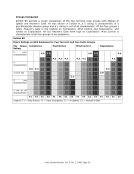
What do my exploratory findings mean for counter cultists? Of the many groups that use
power, psychological control, and compliance to exploit their members, very few murder
innocent outsiders. Aum Shinrikyo and Timothy McVeigh are exceptions. Cultic groups differ
in their dynamics and their harmfulness
To cope with physically abusive groups, soft power and constructive action, more electricity
and water in Iraq and Afghanistan, for instance, plus careful consideration of their particular
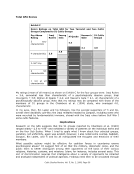
grievances, may help to resolve conflicts. To cope with psychologically abusive groups,
success may depend in part on continued research on intensive case studies like those of
Heaven‘s Gate, the development and application of measures like the GPA, and studies of
effective interventions. Multidisciplinary investigations of group dynamics especially are
needed. For example, we need to expand our knowledge of revenge and conflict resolution.
In conclusion: Are terrorists cultists? In my opinion some, like Al Qaeda, certainly are.
Others, like the Iraqi Rulers and Iraqi Insurgents, are in some respects victims of
psychological abuse that fuels their extreme physical abuse of others.
Or are cultists terrorists? Many, like Heaven‘s Gate, definitely are not.
References
Almendros, C., Carrobles, J. A., Rodríguez-Carballeira, A., &Jansa, J. M. (2003). Psychometric
properties of the Spanish version of the group psychological abuse Scale. Cultic Studies Review,
2, 203-224.
Al-Zarqawi reportedly arrested in Iraq. (2005, April 14). [Electronic version]. The CHINA Daily, p. 1.
Armstrong, K. (2000). Islam. New York: Modern Library.
Bergin, P. L. (2001). Holy War, Inc.: Inside the secret world of Osama bin Laden. New York: Free
Press.
Beit-Hallahmi, B. (1993). The illustrated encyclopedia of active new religions, sects, and cults. New
York: Rosen.
Bowden, M. (2002). Tales of the tyrant. The private life and inner world of Saddam Hussein. Atlantic
Monthly, 35-53.
Brandon, J. (2005, Feb. 4). Koranic duels ease terror. Christian Science Monitor.
Carr, C. (2002). The lessons of terror. A history of warfare against civilians: Why it has always failed
and why it will fail again. New York: Random House.
Chambers, W. V., Langone, M. D., Dole, A. A. and Grice, J. W. (1994). The group psychological abuse
scale: A measure of the varieties of cultic abuse. Cultic Studies Journal, 11(1), 88-117.
Coll, S. (2004). Ghost wars. The secret history of the CIA, Afghanistan, and bin Laden, from the
Soviet invasion to September 10, 2001. New York: Penguin
Dole, A. A. (2002). Terrorists and cultists. In Stout, C. E. (Ed.), The Psychology of Terrorism (Vol. 3,
pp. 213-228). Westport, CT: Praeger.
Esposito, J. L. (2002). Unholy war. Terror in the name of Islam. New York: Oxford.
Gregorian, V. (2003). Islam: A mosaic, not a monolith. Washington, D. C.: Brookings Institute.
International Cultic Studies Association. (2005). ICSA. {Brochure}. Bonita Springs, FL: Author
Isaac, S. &Michael, W. B. (2004). Handbook in research and evaluation. San Diego, CA: EdITS.
Kent, S. A. (2004). Scientific evaluation of the dangers posed by religious groups: A partial model.
Cultic Studies Review, 3, 107-131.
Kinsley, M. (2001, October 5). Defining terrorism. Washington Post, p A37
Lalich, J. (2004a). Bounded choice: True believers and charismatic cults. Berkeley, ÇA: University of
California Press.
education and public relations. Finally, some methods of interrogating prisoners, consistent
with the Geneva Convention and basic human rights, might be adapted from effective exit
consultation or other methods of behavioral change with former cult members. For example,
mainstream Islamic interrogators carefully selected from neutral Arab counties might be
coached in "soft" interviewing. .Thus, according to James Brandon in the Christian Science
Monitor (2005), Islamic scholars successfully challenged the theology of five Al Qaeda
prisoners in Yemen.
What do my exploratory findings mean for counter cultists? Of the many groups that use
power, psychological control, and compliance to exploit their members, very few murder
innocent outsiders. Aum Shinrikyo and Timothy McVeigh are exceptions. Cultic groups differ
in their dynamics and their harmfulness
To cope with physically abusive groups, soft power and constructive action, more electricity
and water in Iraq and Afghanistan, for instance, plus careful consideration of their particular
grievances, may help to resolve conflicts. To cope with psychologically abusive groups,
success may depend in part on continued research on intensive case studies like those of
Heaven‘s Gate, the development and application of measures like the GPA, and studies of
effective interventions. Multidisciplinary investigations of group dynamics especially are
needed. For example, we need to expand our knowledge of revenge and conflict resolution.
In conclusion: Are terrorists cultists? In my opinion some, like Al Qaeda, certainly are.
Others, like the Iraqi Rulers and Iraqi Insurgents, are in some respects victims of
psychological abuse that fuels their extreme physical abuse of others.
Or are cultists terrorists? Many, like Heaven‘s Gate, definitely are not.
References
Almendros, C., Carrobles, J. A., Rodríguez-Carballeira, A., &Jansa, J. M. (2003). Psychometric
properties of the Spanish version of the group psychological abuse Scale. Cultic Studies Review,
2, 203-224.
Al-Zarqawi reportedly arrested in Iraq. (2005, April 14). [Electronic version]. The CHINA Daily, p. 1.
Armstrong, K. (2000). Islam. New York: Modern Library.
Bergin, P. L. (2001). Holy War, Inc.: Inside the secret world of Osama bin Laden. New York: Free
Press.
Beit-Hallahmi, B. (1993). The illustrated encyclopedia of active new religions, sects, and cults. New
York: Rosen.
Bowden, M. (2002). Tales of the tyrant. The private life and inner world of Saddam Hussein. Atlantic
Monthly, 35-53.
Brandon, J. (2005, Feb. 4). Koranic duels ease terror. Christian Science Monitor.
Carr, C. (2002). The lessons of terror. A history of warfare against civilians: Why it has always failed
and why it will fail again. New York: Random House.
Chambers, W. V., Langone, M. D., Dole, A. A. and Grice, J. W. (1994). The group psychological abuse
scale: A measure of the varieties of cultic abuse. Cultic Studies Journal, 11(1), 88-117.
Coll, S. (2004). Ghost wars. The secret history of the CIA, Afghanistan, and bin Laden, from the
Soviet invasion to September 10, 2001. New York: Penguin
Dole, A. A. (2002). Terrorists and cultists. In Stout, C. E. (Ed.), The Psychology of Terrorism (Vol. 3,
pp. 213-228). Westport, CT: Praeger.
Esposito, J. L. (2002). Unholy war. Terror in the name of Islam. New York: Oxford.
Gregorian, V. (2003). Islam: A mosaic, not a monolith. Washington, D. C.: Brookings Institute.
International Cultic Studies Association. (2005). ICSA. {Brochure}. Bonita Springs, FL: Author
Isaac, S. &Michael, W. B. (2004). Handbook in research and evaluation. San Diego, CA: EdITS.
Kent, S. A. (2004). Scientific evaluation of the dangers posed by religious groups: A partial model.
Cultic Studies Review, 3, 107-131.
Kinsley, M. (2001, October 5). Defining terrorism. Washington Post, p A37
Lalich, J. (2004a). Bounded choice: True believers and charismatic cults. Berkeley, ÇA: University of
California Press.