Cultic Studies Review, Vol. 5, No. 2, 2006, Page 24
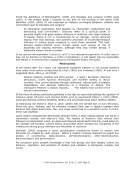
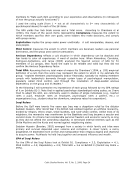
members to "Rate each item according to your experience and observations (in retrospect)
of how the group actually functioned.")
I used the rating scale (from 1 =not at all characteristic to 5= very characteristic of
psychological abuse) for each of the 28 items.
The GPA yields four Sub Scale scores and a Total score. According to Chambers et al
(1994), the mean of the seven items representing Compliance measures the extent to
which members sacrifice their own goals, serve leaders who make decisions, and comply
with group norms.
Exploitation implies the group seeks power unethically. A cult manipulates, abuses, and
uses people.
Mind Control measures the extent to which members are deceived, leaders use personal
dominance, and the group uses coercive persuasion.
Anxious Dependency reflects a cult situation in which dependency can be absolute and
fear tends to color all experiences. A word of caution here: When Almendros, Carrobles,
Rodriguez-Carballeira, and Jansa (2003) analyzed the Spanish version of GPA for 61
members of 21 groups, they found the scale to be reliable and valid but they did not
confirm the Anxious Dependency factor.
Total GPA: Assuming that my total mean of means fits Chambers‘ (1994, p. 105) empirical
definition of a cult, then this score may represent the extent to which in my estimate the
group: "exploits members psychologically and/or financially, typically by making members
comply with leadership's demands through certain types of psychological manipulation,
popularly called mind control, and through the inculcation of deep-seated anxious
dependency on the group and its leaders."
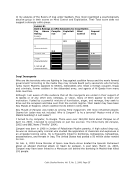
In the following I will summarize my impressions of each group followed by my GPA ratings
of it on Exhibits B1-5. Note that in applied psychology standardized rating scales, as I have
tried to adapt the GPA, are commonly used in studies of single individuals (e.g., teacher
rates a pupil, employer rates an employee, psychologist rates a patient, etc.) or
organizations (e.g., student rates her dormitory, employee rates his corporation).
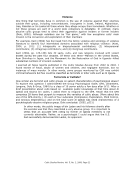
Iraqi Rulers
Before the Gulf wars twenty five years ago Iraq was a despotism ruled by the dictator
Saddam Hussein. After World War I the British had cobbled together an artificial monarchy,
divided by religion, ethnic origin, tribal loyalties, and rural-urban conflict. Unlike most of its
neighbors, the monarchy was overthrown by the Baathists and Iraq became a secular and
socialist state. Its citizens had considerable personal freedom and economic security so long
as they did not offend the controlling oligarchy. It terrorized internal enemies such as the
Shiite Muslims and the Kurds and warred against neighboring states.
Saddam Hussein (Bowden, 2002) emerged from a society in which family and tribe were
primary and survival depended upon violence and corruption. A clever tyrant, a canny
pragmatist, he depended more on fear and manipulation than religious dogma and charisma
to acquire power. Ruthlessly he held Iraq together and amassed influence and wealth.
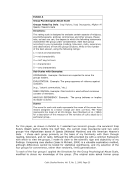
GPA of Iraqi Rulers
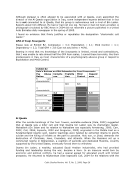
For the GPA of the Iraqi Rulers look at Exhibit B1. Compliance =3.3 Exploitation =4.1
Mind Control =4.3 Dependency =2.9 Total GPA =3.6 on Exhibit C (Cannot say items =
25%).
members to "Rate each item according to your experience and observations (in retrospect)
of how the group actually functioned.")
I used the rating scale (from 1 =not at all characteristic to 5= very characteristic of
psychological abuse) for each of the 28 items.
The GPA yields four Sub Scale scores and a Total score. According to Chambers et al
(1994), the mean of the seven items representing Compliance measures the extent to
which members sacrifice their own goals, serve leaders who make decisions, and comply
with group norms.
Exploitation implies the group seeks power unethically. A cult manipulates, abuses, and
uses people.
Mind Control measures the extent to which members are deceived, leaders use personal
dominance, and the group uses coercive persuasion.
Anxious Dependency reflects a cult situation in which dependency can be absolute and
fear tends to color all experiences. A word of caution here: When Almendros, Carrobles,
Rodriguez-Carballeira, and Jansa (2003) analyzed the Spanish version of GPA for 61
members of 21 groups, they found the scale to be reliable and valid but they did not
confirm the Anxious Dependency factor.
Total GPA: Assuming that my total mean of means fits Chambers‘ (1994, p. 105) empirical
definition of a cult, then this score may represent the extent to which in my estimate the
group: "exploits members psychologically and/or financially, typically by making members
comply with leadership's demands through certain types of psychological manipulation,
popularly called mind control, and through the inculcation of deep-seated anxious
dependency on the group and its leaders."
In the following I will summarize my impressions of each group followed by my GPA ratings
of it on Exhibits B1-5. Note that in applied psychology standardized rating scales, as I have
tried to adapt the GPA, are commonly used in studies of single individuals (e.g., teacher
rates a pupil, employer rates an employee, psychologist rates a patient, etc.) or
organizations (e.g., student rates her dormitory, employee rates his corporation).
Iraqi Rulers
Before the Gulf wars twenty five years ago Iraq was a despotism ruled by the dictator
Saddam Hussein. After World War I the British had cobbled together an artificial monarchy,
divided by religion, ethnic origin, tribal loyalties, and rural-urban conflict. Unlike most of its
neighbors, the monarchy was overthrown by the Baathists and Iraq became a secular and
socialist state. Its citizens had considerable personal freedom and economic security so long
as they did not offend the controlling oligarchy. It terrorized internal enemies such as the
Shiite Muslims and the Kurds and warred against neighboring states.
Saddam Hussein (Bowden, 2002) emerged from a society in which family and tribe were
primary and survival depended upon violence and corruption. A clever tyrant, a canny
pragmatist, he depended more on fear and manipulation than religious dogma and charisma
to acquire power. Ruthlessly he held Iraq together and amassed influence and wealth.
GPA of Iraqi Rulers
For the GPA of the Iraqi Rulers look at Exhibit B1. Compliance =3.3 Exploitation =4.1
Mind Control =4.3 Dependency =2.9 Total GPA =3.6 on Exhibit C (Cannot say items =
25%).