Cultic Studies Review, Vol. 5, No. 2, 2006, Page 108
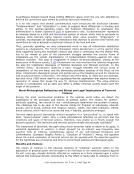
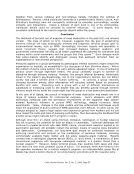
With the richness of thought and lofty efforts of the Roerich agenda for humanity,
Stasulane‘s study should impress any reader. She shows that, among theosophists, Nicholas
Roerich stands out mightily as a particularly accomplished artist and teacher. In the end,
she writes that Roerich in 1926 visited and approached the Kremlin with his blessings for
the communist regime. The author does not mention this, but Roerich did praise Lenin at
the time as a ―mahatma‖ on the order of his Morya. In the author‘s opinion, Roerich
believed that Theosophy, as a ―theosophocracy,‖ would be the proper route for the people in
a ―New Russia.‖
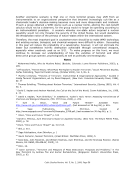
Notes
i Religion, State and Society, Vol. 28, No. 1/2000, 134-148 (www.vatican.va).
i i Ibid.
Joseph Szimhart
With the richness of thought and lofty efforts of the Roerich agenda for humanity,
Stasulane‘s study should impress any reader. She shows that, among theosophists, Nicholas
Roerich stands out mightily as a particularly accomplished artist and teacher. In the end,
she writes that Roerich in 1926 visited and approached the Kremlin with his blessings for
the communist regime. The author does not mention this, but Roerich did praise Lenin at
the time as a ―mahatma‖ on the order of his Morya. In the author‘s opinion, Roerich
believed that Theosophy, as a ―theosophocracy,‖ would be the proper route for the people in
a ―New Russia.‖
Notes
i Religion, State and Society, Vol. 28, No. 1/2000, 134-148 (www.vatican.va).
i i Ibid.
Joseph Szimhart