Cultic Studies Review, Vol. 3, Nos. 2 &3, 2004, Page 76
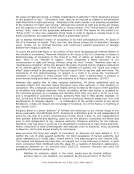
4 In my considerable experience with cult-related interventions since the early 1980s, I consistently
meet people with a superficial knowledge of deprogramming who assume that a deprogrammer's work
almost always includes coercion. My first non-professional, non-coercive deprogramming came at the
end of 1980 when I dissuaded several members of Church Universal and Triumphant to defect one
month after I rejected CUT teachings. At that time I also helped a young lady reassess and leave her
small ―Bible‖ cult, a voluntary ―intervention‖ that led to her reunion with her family. My career as an
exit counselor/ deprogrammer was launched. My continuing interest and studies in the field led to my
first ―professional‖ (first time I was paid professional fees) intervention in January of 1986. Until 1992,
in a low percentage of my cases, I included situations in which families elected to confine and
sometimes abduct a ―cultist‖ for a deprogramming. At the time, however reluctantly, I saw it as part
of my job, a view I have since rejected as of 1992. I, like many of my colleagues in exit counseling,
refuse to work with anyone who has been illegally coerced or confined by their family or a
deprogrammer. In April 1993 I withstood a jury trial in Idaho over a failed 1991 intervention that was
initiated by an abduction days before I arrived on the case. I was acquitted of all charges. (Idaho vs.
Szimhart, et al, Case No. 18597, April 27, 1993)
5 See Freedom in references. Another example of anti-deprogramming propaganda was distributed by
Church Universal and Triumphant in 1992 through several articles in their newsletters. Black, 1992,
writes of a case that involved me.
6 Many controversial new religions and cults have reacted to the anti-cultists with harsh propaganda
about deprogramming. In 1995 Scientology published a magazine: A Special Report from FREEDOM
about ―Cult Awareness Network, The serpent of hatred, intolerance, violence and death.‖ This
magazine is a prime example of anti-deprogramming propaganda in its more egregious form.
Ironically, as a result of a successful civil suit Scientology managed to take over the CAN business.
See Goodstein. ―Anti-Cult Group Dismembered As Former Foes Buy Its Assets‖ and endnote 21.
7 From interviews with many colleagues who work non-coercively in the ―exit
counselor/deprogrammer‖ milieu, all have noted that most ―cult‖ members who avoid their families do
so partially to avoid an abusive deprogramming. This ―phobia‖ even exists toward families that would
never use coercion
8 Nearly all families (many hundreds) who have called the author over the years seek non-coercive
means to dissuade loved ones from any alleged cult. Those that elected to use coercive means to
initiate deprogramming knew that abuse of the client in any way (sleep deprivation, assault, drugs,
lying, constant haranguing, etc.) was not permitted, nor would they accept it, beyond the initial
abduction or prevention from escape. Typical coercive deprogrammings, in the author‘s experience
and from gathered information, were most like that described in Dubrow-Eichel. Also see Valentine. In
these presentations, any initial ―trauma‖ to the deprogramee is generally over-ridden by a ―joy‖ in a
new sense of freedom. Respect, caring and intelligent conversation were the most effective tools used
by deprogrammers in these settings.
9 During the early 1990s a spate of stories about failed deprogrammings that involved illegal coercion
made the news. Litigants included deprogrammers Galen Kelly, Rick Ross, Mary Alice Chrnalogar,
Randall Burkey, the author (myself), and a few others in at least five incidents. For examples see:
French, re. Ted Patrick Ostrander, re: R. Burkey Threlkeld re: author and M. A. Chrnalogar Orth,
Mellillo, re. Galen Kelly who served 16 months of his sentence before charges were overturned by an
appellate court. See: Hall, Colwell re: Rick Ross.
10 In rare circumstances a family will allow a thorough reconstruction of a successful deprogramming
that involved some coercion or an abduction. In the author‘s experience a feature writer for DETAILs
Magazine followed the author over a year (1990-1991) on several non-coercive interventions. The
magazine editor/publisher refused to accept the article unless a kidnap-style intervention was
described. The author managed to bring the writer in on one such case that did not involve a
kidnapping, but did involve a security team that would not allow the deprogramee to leave the
premises after talks began. This intervention became the central theme of the 5000 word feature. See
Disend, 1991. Non-coercive interventions have been mentioned, but not described in depth, recently
in at least two articles. See Brenner Tomson.
11 Pratkanis &Aronson, 1991. See chapter 33 for effects of news reports and the need for action and
violence for news reporters to show any interest. Also, see chapter 35: ―How to become a Cult
Leader.‖
12 See Patrick with Dulack. Patrick‘s opinion that cult members must be held or contained for
deprogramming to work, added to the media myth.
13 Studies by scholars interested in or attracted to the cult/deprogramming controversy added to the
sense of prevalence of the kidnap/deprogram approach. For instance, a by now obscure study, but
4 In my considerable experience with cult-related interventions since the early 1980s, I consistently
meet people with a superficial knowledge of deprogramming who assume that a deprogrammer's work
almost always includes coercion. My first non-professional, non-coercive deprogramming came at the
end of 1980 when I dissuaded several members of Church Universal and Triumphant to defect one
month after I rejected CUT teachings. At that time I also helped a young lady reassess and leave her
small ―Bible‖ cult, a voluntary ―intervention‖ that led to her reunion with her family. My career as an
exit counselor/ deprogrammer was launched. My continuing interest and studies in the field led to my
first ―professional‖ (first time I was paid professional fees) intervention in January of 1986. Until 1992,
in a low percentage of my cases, I included situations in which families elected to confine and
sometimes abduct a ―cultist‖ for a deprogramming. At the time, however reluctantly, I saw it as part
of my job, a view I have since rejected as of 1992. I, like many of my colleagues in exit counseling,
refuse to work with anyone who has been illegally coerced or confined by their family or a
deprogrammer. In April 1993 I withstood a jury trial in Idaho over a failed 1991 intervention that was
initiated by an abduction days before I arrived on the case. I was acquitted of all charges. (Idaho vs.
Szimhart, et al, Case No. 18597, April 27, 1993)
5 See Freedom in references. Another example of anti-deprogramming propaganda was distributed by
Church Universal and Triumphant in 1992 through several articles in their newsletters. Black, 1992,
writes of a case that involved me.
6 Many controversial new religions and cults have reacted to the anti-cultists with harsh propaganda
about deprogramming. In 1995 Scientology published a magazine: A Special Report from FREEDOM
about ―Cult Awareness Network, The serpent of hatred, intolerance, violence and death.‖ This
magazine is a prime example of anti-deprogramming propaganda in its more egregious form.
Ironically, as a result of a successful civil suit Scientology managed to take over the CAN business.
See Goodstein. ―Anti-Cult Group Dismembered As Former Foes Buy Its Assets‖ and endnote 21.
7 From interviews with many colleagues who work non-coercively in the ―exit
counselor/deprogrammer‖ milieu, all have noted that most ―cult‖ members who avoid their families do
so partially to avoid an abusive deprogramming. This ―phobia‖ even exists toward families that would
never use coercion
8 Nearly all families (many hundreds) who have called the author over the years seek non-coercive
means to dissuade loved ones from any alleged cult. Those that elected to use coercive means to
initiate deprogramming knew that abuse of the client in any way (sleep deprivation, assault, drugs,
lying, constant haranguing, etc.) was not permitted, nor would they accept it, beyond the initial
abduction or prevention from escape. Typical coercive deprogrammings, in the author‘s experience
and from gathered information, were most like that described in Dubrow-Eichel. Also see Valentine. In
these presentations, any initial ―trauma‖ to the deprogramee is generally over-ridden by a ―joy‖ in a
new sense of freedom. Respect, caring and intelligent conversation were the most effective tools used
by deprogrammers in these settings.
9 During the early 1990s a spate of stories about failed deprogrammings that involved illegal coercion
made the news. Litigants included deprogrammers Galen Kelly, Rick Ross, Mary Alice Chrnalogar,
Randall Burkey, the author (myself), and a few others in at least five incidents. For examples see:
French, re. Ted Patrick Ostrander, re: R. Burkey Threlkeld re: author and M. A. Chrnalogar Orth,
Mellillo, re. Galen Kelly who served 16 months of his sentence before charges were overturned by an
appellate court. See: Hall, Colwell re: Rick Ross.
10 In rare circumstances a family will allow a thorough reconstruction of a successful deprogramming
that involved some coercion or an abduction. In the author‘s experience a feature writer for DETAILs
Magazine followed the author over a year (1990-1991) on several non-coercive interventions. The
magazine editor/publisher refused to accept the article unless a kidnap-style intervention was
described. The author managed to bring the writer in on one such case that did not involve a
kidnapping, but did involve a security team that would not allow the deprogramee to leave the
premises after talks began. This intervention became the central theme of the 5000 word feature. See
Disend, 1991. Non-coercive interventions have been mentioned, but not described in depth, recently
in at least two articles. See Brenner Tomson.
11 Pratkanis &Aronson, 1991. See chapter 33 for effects of news reports and the need for action and
violence for news reporters to show any interest. Also, see chapter 35: ―How to become a Cult
Leader.‖
12 See Patrick with Dulack. Patrick‘s opinion that cult members must be held or contained for
deprogramming to work, added to the media myth.
13 Studies by scholars interested in or attracted to the cult/deprogramming controversy added to the
sense of prevalence of the kidnap/deprogram approach. For instance, a by now obscure study, but