Cultic Studies Review, Vol. 3, Nos. 2 &3, 2004, Page 18
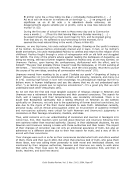
V. Conclusion
In these and numerous other cases, groups‘ abilities to negotiate with competing
contenders for legitimacy and resources diminish significantly when founding figures have
translated their biopsychosocial dysfunctions into the cultural ethos of their respective
groups. Negotiation becomes exceedingly difficult paranoia increases dangerously, and
compromise become impossible. In such cases, the likelihood of violence increases as
members feel that they have few options when trying to protect their groups‘ messages. In
the domain of intergroup relations, as in the related domains of intragroup and
interpersonal relationships, biopsychosocial issues can have a profound impact upon the
quality, direction, and content of social discourse and conflict resolution.
Of course, a biopsychosocial model that discusses the potential for religious danger must
remain, at best, only partial in its explanatory power. So many items, for example, can
interact with religions, especially in the intergroup domain, that the ‗science‘ (or perhaps
the skill) of predicting danger becomes increasingly complex. Factors such as nationalism,
ethnicity, gender, resource availability, and class weave together in complex ways to affect
possibilities of religious danger. Also important are the reactions to these groups by agents
of social control, since groups and authorities can lock themselves in spirals of deviance
amplification and escalation that end tragically. Regardless, however, of what external,
socio-political factors may put pressure on groups, a significant aspect of members‘
responses to these factors likely will reflect their leaders‘ biopsychosocial issues. These
issues have infused the groups‘ theologies and impacted previous social interactions, all of
which influence groups‘ responses to perceived outside threats.
Into complex social situations that reflect national or even global issues, religion can ignite
dangerous social and political issues by adding powder to already explosive situations.
Often, it makes stakeholders less willing to compromise and combatants more willing to
inflict suffering and die in the process. By teaching that all extremist action gets forgiven (if
not rewarded) in heaven, religion can assist in people refusing to see their own
contributions to the creation of hell on earth.
When social scientists discuss the possibilities of religious danger, they should not forget to
consider the biopsychosocial factors of the founders and/or leaders at work in any if not all
domains of human behavior that are relevant to the issues at hand. Some academics,
however, have chosen to do so, and this article offers a corrective against their choices.
Complex, frequently troubled personalities interact amidst rapidly changing, globalized
societies, and sometimes those personalities help shape the actions of hundreds if not
thousands of both innocent and complicitous people caught in their influence. Yet even on
smaller scales, where family violence literature helps to prepare researchers for interpreting
religiously violent situations, victims may experience the less-noble dimensions of divinely
sanctioned human action. Overemphasizing the extent to which the biopsychosocial issues
of founders and/or leaders heighten the prospects of religious danger is alarmist, but
understating or ignoring their importance is exceedingly unwise.
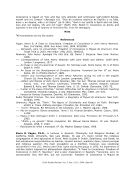
Appendix: Sects, Cults, and New Religions Involved with Violent Deaths
During the Past Four Decades
On February 21, 1966, at least three members of the Nation of Islam in Philadelphia fatally
shot Malcolm X, who was critical of the then-current leader of the organization (Evanzz
1999:311, 320).
Charles Manson‘s ‗Family‘ killed at least nine people in California between July 27 and
August 26, 1969, although the actual number of murders may reach at least into the thirties
(Bugliosi with Gentry, 1974:474-481).
V. Conclusion
In these and numerous other cases, groups‘ abilities to negotiate with competing
contenders for legitimacy and resources diminish significantly when founding figures have
translated their biopsychosocial dysfunctions into the cultural ethos of their respective
groups. Negotiation becomes exceedingly difficult paranoia increases dangerously, and
compromise become impossible. In such cases, the likelihood of violence increases as
members feel that they have few options when trying to protect their groups‘ messages. In
the domain of intergroup relations, as in the related domains of intragroup and
interpersonal relationships, biopsychosocial issues can have a profound impact upon the
quality, direction, and content of social discourse and conflict resolution.
Of course, a biopsychosocial model that discusses the potential for religious danger must
remain, at best, only partial in its explanatory power. So many items, for example, can
interact with religions, especially in the intergroup domain, that the ‗science‘ (or perhaps
the skill) of predicting danger becomes increasingly complex. Factors such as nationalism,
ethnicity, gender, resource availability, and class weave together in complex ways to affect
possibilities of religious danger. Also important are the reactions to these groups by agents
of social control, since groups and authorities can lock themselves in spirals of deviance
amplification and escalation that end tragically. Regardless, however, of what external,
socio-political factors may put pressure on groups, a significant aspect of members‘
responses to these factors likely will reflect their leaders‘ biopsychosocial issues. These
issues have infused the groups‘ theologies and impacted previous social interactions, all of
which influence groups‘ responses to perceived outside threats.
Into complex social situations that reflect national or even global issues, religion can ignite
dangerous social and political issues by adding powder to already explosive situations.
Often, it makes stakeholders less willing to compromise and combatants more willing to
inflict suffering and die in the process. By teaching that all extremist action gets forgiven (if
not rewarded) in heaven, religion can assist in people refusing to see their own
contributions to the creation of hell on earth.
When social scientists discuss the possibilities of religious danger, they should not forget to
consider the biopsychosocial factors of the founders and/or leaders at work in any if not all
domains of human behavior that are relevant to the issues at hand. Some academics,
however, have chosen to do so, and this article offers a corrective against their choices.
Complex, frequently troubled personalities interact amidst rapidly changing, globalized
societies, and sometimes those personalities help shape the actions of hundreds if not
thousands of both innocent and complicitous people caught in their influence. Yet even on
smaller scales, where family violence literature helps to prepare researchers for interpreting
religiously violent situations, victims may experience the less-noble dimensions of divinely
sanctioned human action. Overemphasizing the extent to which the biopsychosocial issues
of founders and/or leaders heighten the prospects of religious danger is alarmist, but
understating or ignoring their importance is exceedingly unwise.
Appendix: Sects, Cults, and New Religions Involved with Violent Deaths
During the Past Four Decades
On February 21, 1966, at least three members of the Nation of Islam in Philadelphia fatally
shot Malcolm X, who was critical of the then-current leader of the organization (Evanzz
1999:311, 320).
Charles Manson‘s ‗Family‘ killed at least nine people in California between July 27 and
August 26, 1969, although the actual number of murders may reach at least into the thirties
(Bugliosi with Gentry, 1974:474-481).