Cultic Studies Review, Vol. 3, Nos. 2 &3, 2004, Page 142
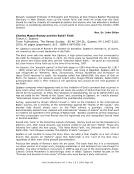
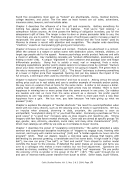
do believe that there are valid comparisons to be made between the two. They note that
during the 1970s the seminar ministry was filling not only churches but also stadiums. Like
Kane, the people in general loved Bill Gothard. But back at the institute anyone who
challenged Gothard‘s rule was marked for mistreatment. One female staff person fell victim
to Gothard‘s authoritarian ways when she was fired in 1971 because she did not obey his
order to forego dating.
―The Emerald City‖ is the title of the third chapter. There the authors compare Christians
who found themselves in the strange and scary world of the Vietnam protests, sexual
revolution, and youth rebellion to Dorothy who had found herself in the frightening Land of
Oz. Just as Dorothy was looking to the wizard for answers, Christians looked to Bill Gothard
as the authority with all the answers that could get them safely home and out of the chaos
that had surrounded them during those turbulent years. The authors also draw upon
contemporary literature for chapter titles. They begin chapter seven (―The Orwellian World
of Bill Gothard‖) with a quotation from Animal Farm by George Orwell in which one of the
animals warns the others if they were allowed to make their own decisions, they might in
fact make the wrong decisions! Overall the presentation is clear and the organization of the
book is appropriate.
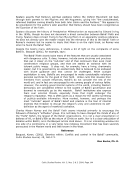
One of the strengths of the book is the relating of the stories of followers who followed the
directions of the leaders of IBLP. One moving story is that of Pastor Johnny Jones in
chapter seven who moved his family from California to Michigan to be part of an African
American presence in IBLP. But he discovered instead broken promises, power struggles
and backstabbing. A typical power struggle was when Emmett Mitchell was brought in as
the General Director of the Character Inn in Flint, Michigan where Pastor Jones was working
for IBLP. In a short while it became clear that Mitchell was a mere figurehead director who
had been brought in because of his connections in the banking industry. The real authority
was a staff member named Pat LaMantia, who was in charge of the front desk office. At one
point Johnny and his wife Shantelle felt that they were under surveillance, that their mail
was being opened, and that someone was sifting through possessions that they had put into
storage. After a time of feeling increasingly harassed by Ms. LaMantia, Johnny learned that
she was actually running the Character Inn and loyally following the directives of Gothard.
Pastor Jones and his family left after discovering that a sixteen-year-old girl was sent to
prepare and bring a meal to Bill Gothard. This girl told Pastor Jones that Bill Gothard was
her best friend and that Bill Gothard called her all the time to come to see him. Scandalized
by this activity, Pastor Jones turned in his resignation, and his family departed from the
Character Inn. The Joneses had been promised an offering in July 2000 to help them in
their move from California to Michigan. The balance of this money was never paid to him.
As he reflected on his experience of his involvement with IBLP, Pastor Jones felt that the
real lesson that he learned was that Bill Gothard did not live up to the principles that he
taught in his seminars and materials. He has a growing concern for others who like him and
his family have been devastated by Gothard and IBLP.
The book is less useful in those sections in which they authors theologize. Those parts of
the book have less interest and appeal outside of the conservative Protestant world in which
the authors operate. A typical example of this occurs in chapter five when the authors
discuss for over ten pages how Gothard‘s theology of grace turns away from the
Reformation toward what they term the Roman Catholic doctrine of salvation based on
works. So too the last ten pages of the epilogue contain a somewhat tedious discussion
about sanctification by works, the righteousness of the Law, and grace as the unmerited
favor of God.
Bill Gothard has had success in reaching the core leadership of American Christian
conservative churches. This book effectively and thoroughly sounds the alarm on how this
ministry has exerted abusive spiritual authority on many of its participants. Dr. Robert
do believe that there are valid comparisons to be made between the two. They note that
during the 1970s the seminar ministry was filling not only churches but also stadiums. Like
Kane, the people in general loved Bill Gothard. But back at the institute anyone who
challenged Gothard‘s rule was marked for mistreatment. One female staff person fell victim
to Gothard‘s authoritarian ways when she was fired in 1971 because she did not obey his
order to forego dating.
―The Emerald City‖ is the title of the third chapter. There the authors compare Christians
who found themselves in the strange and scary world of the Vietnam protests, sexual
revolution, and youth rebellion to Dorothy who had found herself in the frightening Land of
Oz. Just as Dorothy was looking to the wizard for answers, Christians looked to Bill Gothard
as the authority with all the answers that could get them safely home and out of the chaos
that had surrounded them during those turbulent years. The authors also draw upon
contemporary literature for chapter titles. They begin chapter seven (―The Orwellian World
of Bill Gothard‖) with a quotation from Animal Farm by George Orwell in which one of the
animals warns the others if they were allowed to make their own decisions, they might in
fact make the wrong decisions! Overall the presentation is clear and the organization of the
book is appropriate.
One of the strengths of the book is the relating of the stories of followers who followed the
directions of the leaders of IBLP. One moving story is that of Pastor Johnny Jones in
chapter seven who moved his family from California to Michigan to be part of an African
American presence in IBLP. But he discovered instead broken promises, power struggles
and backstabbing. A typical power struggle was when Emmett Mitchell was brought in as
the General Director of the Character Inn in Flint, Michigan where Pastor Jones was working
for IBLP. In a short while it became clear that Mitchell was a mere figurehead director who
had been brought in because of his connections in the banking industry. The real authority
was a staff member named Pat LaMantia, who was in charge of the front desk office. At one
point Johnny and his wife Shantelle felt that they were under surveillance, that their mail
was being opened, and that someone was sifting through possessions that they had put into
storage. After a time of feeling increasingly harassed by Ms. LaMantia, Johnny learned that
she was actually running the Character Inn and loyally following the directives of Gothard.
Pastor Jones and his family left after discovering that a sixteen-year-old girl was sent to
prepare and bring a meal to Bill Gothard. This girl told Pastor Jones that Bill Gothard was
her best friend and that Bill Gothard called her all the time to come to see him. Scandalized
by this activity, Pastor Jones turned in his resignation, and his family departed from the
Character Inn. The Joneses had been promised an offering in July 2000 to help them in
their move from California to Michigan. The balance of this money was never paid to him.
As he reflected on his experience of his involvement with IBLP, Pastor Jones felt that the
real lesson that he learned was that Bill Gothard did not live up to the principles that he
taught in his seminars and materials. He has a growing concern for others who like him and
his family have been devastated by Gothard and IBLP.
The book is less useful in those sections in which they authors theologize. Those parts of
the book have less interest and appeal outside of the conservative Protestant world in which
the authors operate. A typical example of this occurs in chapter five when the authors
discuss for over ten pages how Gothard‘s theology of grace turns away from the
Reformation toward what they term the Roman Catholic doctrine of salvation based on
works. So too the last ten pages of the epilogue contain a somewhat tedious discussion
about sanctification by works, the righteousness of the Law, and grace as the unmerited
favor of God.
Bill Gothard has had success in reaching the core leadership of American Christian
conservative churches. This book effectively and thoroughly sounds the alarm on how this
ministry has exerted abusive spiritual authority on many of its participants. Dr. Robert