Cultic Studies Review, Vol. 3, Nos. 2 &3, 2004, Page 104
House, R. J. &Shamir, B. (1993). Toward the integration of transformational, charismatic and
visionary theories. In M. M. Chemers &R. Ayman (Eds.), Leadership theory and research:
Perspectives and directions. San Diego: Academic Press.
Kelley, D. M. (1995). Waco: The massacre, the aftermath. First Things, May 1995.
Keinan, G., Friedland, N., &Even-Haim, G. (2000). The effect of stress and self-esteem on social
stereotyping. Journal of Social and Clinical Psychology, 19 (2), 206-219.
Layton, D. (1998). Seductive poison. New York: Doubleday.
Leming, M. R., &Smith, T. C. (1974). The Children of God as a social movement. Journal of Voluntary
Action Research, 3, 77-83.
Lifton, R. J. (1961). Thought reform and the psychology of totalism: A study of Brainwashing in China.
New York: W. W. Norton.
Maaga, M. M. (1998). Hearing the voices of Jonestown. Syracuse, New York. Syracuse University
Press.
National Public Radio: Father Cares. Weekly Edition, January 23, 1999.
Ofshe, R. (1980).The social development of the Synanon cult: The managerial strategy of
organizational transformation. Sociological Analysis, 41, 109-127.
Pittman, T. S. (1975). Attribution of arousal as a mediator in dissonance reduction. Journal of
Experimental Social Psychology, 11, 53-63.
Pratkanis, A. R., &Aronson, E. (2000). Age of Propaganda (2nd ed.). New York: Freeman.
Pool, G. J., Wood, W., &Leck, K. (1998). The self-esteem motive in social influence: Agreement with
valued majorities and disagreement with derogated minorities. Journal of Personality &Social
Psychology, 75, 967-975.
Reavis, D. J. (1998). The ashes of Waco: An investigation. Syracuse, New York: Syracuse University
Press.
Sanbonmatsu, D. M., &Kardes, F. R. (1988). The effects of physiological arousal on information
processing and persuasion. Journal of Consumer Research, 15, 379-385.
Sargant, W. (1957). Battle for the mind: How evangelists, psychiatrists, politicians, and medicine
men can change your beliefs and behavior. Garden City, NY: Doubleday.
Schein, E. H., Schneier, I., &Barker, C. H. (1961). Coercive persuasion: A socio-psychological
analysis of the “brainwashing” of American civilian prisoners by the Chinese communists. New
York: W. W. Norton.
Singer, M., &Lalich, J. (1995). Cults in our midst. San Francisco: Jossey-Bass.
Weightman, J. M. (1984). Making sense of the Jonestown suicides. New York: Mellon.
Yee, M. (1997). Charles Dederich, founder of cult-like religious group Synanon, dies at 83. The
Associated Press, March 5, 1997.
Acknowledgement
This article is reprinted with permission (print only) from Sage Publishing Ltd. The article
originally appeared as Chapter 5, "Aberrations of power: Leadership in groups" in
Leadership and power, edited by Daan van Knippenberg and Michael Hogg, Sage
Publications, 2004.
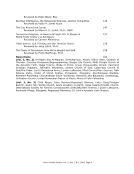
Robert S. Baron, Ph.D., is Professor of Psychology at the University of Iowa. He has
published widely on topics in group influence including papers on group polarization,
conformity and indoctrination procedures. He (with Norbert Kerr) is the author of Group
Process, Group Decision, Group Action. Requests for reprints and correspondence should go
to Professor Robert Baron, E 11 Seashore Hall, University of Iowa, Iowa City, IA 52242
Kevin Crawley was from 1980 to 1990, Co-Director of Unbound, Inc, a residential
counseling center for former members of totalist groups. He wrote "Reintegration of Exiting
Cult Members with their Families: A Brief Intervention Model," with Diana Paulina and Ron
White. He is currently Interactive Specialist with the City of Iowa City.
Diana Paulina was from 1980 to 1990, Co-Director of Unbound, Inc, a residential
counseling center for former members of totalist groups. She has taught at the High School
House, R. J. &Shamir, B. (1993). Toward the integration of transformational, charismatic and
visionary theories. In M. M. Chemers &R. Ayman (Eds.), Leadership theory and research:
Perspectives and directions. San Diego: Academic Press.
Kelley, D. M. (1995). Waco: The massacre, the aftermath. First Things, May 1995.
Keinan, G., Friedland, N., &Even-Haim, G. (2000). The effect of stress and self-esteem on social
stereotyping. Journal of Social and Clinical Psychology, 19 (2), 206-219.
Layton, D. (1998). Seductive poison. New York: Doubleday.
Leming, M. R., &Smith, T. C. (1974). The Children of God as a social movement. Journal of Voluntary
Action Research, 3, 77-83.
Lifton, R. J. (1961). Thought reform and the psychology of totalism: A study of Brainwashing in China.
New York: W. W. Norton.
Maaga, M. M. (1998). Hearing the voices of Jonestown. Syracuse, New York. Syracuse University
Press.
National Public Radio: Father Cares. Weekly Edition, January 23, 1999.
Ofshe, R. (1980).The social development of the Synanon cult: The managerial strategy of
organizational transformation. Sociological Analysis, 41, 109-127.
Pittman, T. S. (1975). Attribution of arousal as a mediator in dissonance reduction. Journal of
Experimental Social Psychology, 11, 53-63.
Pratkanis, A. R., &Aronson, E. (2000). Age of Propaganda (2nd ed.). New York: Freeman.
Pool, G. J., Wood, W., &Leck, K. (1998). The self-esteem motive in social influence: Agreement with
valued majorities and disagreement with derogated minorities. Journal of Personality &Social
Psychology, 75, 967-975.
Reavis, D. J. (1998). The ashes of Waco: An investigation. Syracuse, New York: Syracuse University
Press.
Sanbonmatsu, D. M., &Kardes, F. R. (1988). The effects of physiological arousal on information
processing and persuasion. Journal of Consumer Research, 15, 379-385.
Sargant, W. (1957). Battle for the mind: How evangelists, psychiatrists, politicians, and medicine
men can change your beliefs and behavior. Garden City, NY: Doubleday.
Schein, E. H., Schneier, I., &Barker, C. H. (1961). Coercive persuasion: A socio-psychological
analysis of the “brainwashing” of American civilian prisoners by the Chinese communists. New
York: W. W. Norton.
Singer, M., &Lalich, J. (1995). Cults in our midst. San Francisco: Jossey-Bass.
Weightman, J. M. (1984). Making sense of the Jonestown suicides. New York: Mellon.
Yee, M. (1997). Charles Dederich, founder of cult-like religious group Synanon, dies at 83. The
Associated Press, March 5, 1997.
Acknowledgement
This article is reprinted with permission (print only) from Sage Publishing Ltd. The article
originally appeared as Chapter 5, "Aberrations of power: Leadership in groups" in
Leadership and power, edited by Daan van Knippenberg and Michael Hogg, Sage
Publications, 2004.
Robert S. Baron, Ph.D., is Professor of Psychology at the University of Iowa. He has
published widely on topics in group influence including papers on group polarization,
conformity and indoctrination procedures. He (with Norbert Kerr) is the author of Group
Process, Group Decision, Group Action. Requests for reprints and correspondence should go
to Professor Robert Baron, E 11 Seashore Hall, University of Iowa, Iowa City, IA 52242
Kevin Crawley was from 1980 to 1990, Co-Director of Unbound, Inc, a residential
counseling center for former members of totalist groups. He wrote "Reintegration of Exiting
Cult Members with their Families: A Brief Intervention Model," with Diana Paulina and Ron
White. He is currently Interactive Specialist with the City of Iowa City.
Diana Paulina was from 1980 to 1990, Co-Director of Unbound, Inc, a residential
counseling center for former members of totalist groups. She has taught at the High School