Cultic Studies Journal, Vol. 12, No. 1, 1995, page 67
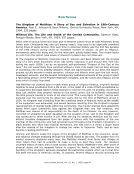
Medieval Christian moral theologians held to a catalogue of seven deadly vices (pride, envy,
anger, covetousness, sloth, gluttony, and lust). Peters builds his book around “Seven Steps
Down the Path to Radical Evil” as a progression “from innocence to maximum profanity” (p.
10). The steps are anxiety, unfaith, pride, concupiscence, self-justification, cruelty, and
blasphemy.
Anxiety rooted in human fear of death and nonbeing becomes the breeding ground for a
deepening distrust of divine providence. Pride seeks to co-opt divinity for oneself in human
hubris. Concupiscence, the lusting after what others have, denies one‟s own limits and is
expressed through the consumption of someone else‟s life-giving power. Looking good while
scapegoating others, human self-justification progresses towards a cruelty defined as
enjoyment of the neighbor‟s suffering.
“The worst of the seven deadly sins on my lists is blasphemy,” Peters writes (p. 16), “-- that
is, radical evil.... In its overt form, blasphemy is the conscious use of divine symbols in the
worship of radical evil.” In the peak chapter of his work, entitled “Blasphemy --Satanic
Rituals and the Destruction of the Inner Soul,” Peters competently and concisely defines the
current forms of Satanism and ritual abuse, reviews the current literature, identifies the
parties in the current debate over Satanism, and concludes by observing that “Satan is
present when we hear the call to shed innocent blood” (p. 257).
For the past 15 months, I have been part of a recovery team of clergy, therapists, and
physicians working with a 40-year-old ritual abuse victim named Mary who has survived as
a Multiple Personality Disorder with 26 alters. Working with her parish pastor, we found
ourselves called upon to decontaminate the sacred symbols of God‟s unconditional love for
this woman --the church‟s Scriptures, calendar, rituals, and sacraments from the
blasphemous perversion to which they had been subjected in her childhood experience of
unspeakable atrocities. Peters‟ theory is verified in my pastoral experience.
Ronald M. Enroth makes the same point in Recovering from Churches That Abuse.
Presenting her story (with her encouragement as well as permission) as a case history to
Professor Duane Larson‟s class at the Lutheran Theological Seminary at Gettysburg,
Pennsylvania, I had the unnerving experience of doing this presentation of radical sin and
evil--as well as divine redemption --on April 19, 1995, the second anniversary of the
Branch Davidian firestorm in Waco, Texas, and almost the very hour the bomb was
detonated at the Federal Building in Oklahoma City.
Peters is empowered to take the reader deeply into the discomforting arena of sin and
radical evil by his overriding confidence in the ultimate victory of God‟s unconditional love,
which for him and for me is focused in Jesus Christ. “There are two prerequisites for making
the transition from the present to such a future beyond evil,” he writes, “forgiveness of sin
and life without death” (p. 33).
Peters‟s theology is confirmed in my pastoral experience in that the factor of unconditional
acceptance has been the basic unmet need (among a number of others) in every recovering
cult victim with whom I have ever worked, as well as in most sufferers of eating disorders
and the chemically addicted.
We have not heard the last from Ted Peters by his own admission. His final two chapters set
out an agenda for further study: theodicy, natural evil, the ecological myth of holism, the
unhappy unconscious, free will, a theological view of Satan, the double tie to eternity as
well as biological determinism.
Professor Peters addresses the radical evil that, in the experience of many of us, has broken
through the liberal optimism of the 1960s and confronted many in the destructive effects of
cults, especially in cases of Satanic Ritual Abuse. In so doing he has aligned himself as a
Medieval Christian moral theologians held to a catalogue of seven deadly vices (pride, envy,
anger, covetousness, sloth, gluttony, and lust). Peters builds his book around “Seven Steps
Down the Path to Radical Evil” as a progression “from innocence to maximum profanity” (p.
10). The steps are anxiety, unfaith, pride, concupiscence, self-justification, cruelty, and
blasphemy.
Anxiety rooted in human fear of death and nonbeing becomes the breeding ground for a
deepening distrust of divine providence. Pride seeks to co-opt divinity for oneself in human
hubris. Concupiscence, the lusting after what others have, denies one‟s own limits and is
expressed through the consumption of someone else‟s life-giving power. Looking good while
scapegoating others, human self-justification progresses towards a cruelty defined as
enjoyment of the neighbor‟s suffering.
“The worst of the seven deadly sins on my lists is blasphemy,” Peters writes (p. 16), “-- that
is, radical evil.... In its overt form, blasphemy is the conscious use of divine symbols in the
worship of radical evil.” In the peak chapter of his work, entitled “Blasphemy --Satanic
Rituals and the Destruction of the Inner Soul,” Peters competently and concisely defines the
current forms of Satanism and ritual abuse, reviews the current literature, identifies the
parties in the current debate over Satanism, and concludes by observing that “Satan is
present when we hear the call to shed innocent blood” (p. 257).
For the past 15 months, I have been part of a recovery team of clergy, therapists, and
physicians working with a 40-year-old ritual abuse victim named Mary who has survived as
a Multiple Personality Disorder with 26 alters. Working with her parish pastor, we found
ourselves called upon to decontaminate the sacred symbols of God‟s unconditional love for
this woman --the church‟s Scriptures, calendar, rituals, and sacraments from the
blasphemous perversion to which they had been subjected in her childhood experience of
unspeakable atrocities. Peters‟ theory is verified in my pastoral experience.
Ronald M. Enroth makes the same point in Recovering from Churches That Abuse.
Presenting her story (with her encouragement as well as permission) as a case history to
Professor Duane Larson‟s class at the Lutheran Theological Seminary at Gettysburg,
Pennsylvania, I had the unnerving experience of doing this presentation of radical sin and
evil--as well as divine redemption --on April 19, 1995, the second anniversary of the
Branch Davidian firestorm in Waco, Texas, and almost the very hour the bomb was
detonated at the Federal Building in Oklahoma City.
Peters is empowered to take the reader deeply into the discomforting arena of sin and
radical evil by his overriding confidence in the ultimate victory of God‟s unconditional love,
which for him and for me is focused in Jesus Christ. “There are two prerequisites for making
the transition from the present to such a future beyond evil,” he writes, “forgiveness of sin
and life without death” (p. 33).
Peters‟s theology is confirmed in my pastoral experience in that the factor of unconditional
acceptance has been the basic unmet need (among a number of others) in every recovering
cult victim with whom I have ever worked, as well as in most sufferers of eating disorders
and the chemically addicted.
We have not heard the last from Ted Peters by his own admission. His final two chapters set
out an agenda for further study: theodicy, natural evil, the ecological myth of holism, the
unhappy unconscious, free will, a theological view of Satan, the double tie to eternity as
well as biological determinism.
Professor Peters addresses the radical evil that, in the experience of many of us, has broken
through the liberal optimism of the 1960s and confronted many in the destructive effects of
cults, especially in cases of Satanic Ritual Abuse. In so doing he has aligned himself as a