Cultic Studies Journal, Vol. 12, No. 1, 1995, page 25
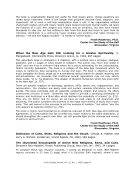
Chapters in Texts
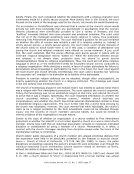
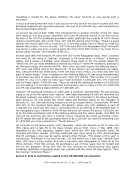
Ofshe, R. “Coercive persuasion and attitude change,” in E.F. Borgatta &M.L. Borgatta
(Eds.), Encyclopedia of sociology (New York: Macmillan 1992).
Singer, M. “Group psychodynamics,” in Merck Manual of Diagnosis and Treatment, 15th ed.,
Psychiatry Section (Rahway, NJ: Merck, Sharp and Dohme 1986).
Singer, M., &Addis, M. “Cults, coercion, and contumely,” in A. Kales, C.M. Pierce, &M.
Greenblatt (Eds.), The mosaic of contemporary psychiatry in perspective (New York:
Springer-Verlag 1992).
West, L.J., &Singer, M.T. “Cults, quacks and nonprofessional psychotherapies,” in H.I.
Kaplan, A.M. Freedman, &B.J. Sadock (Eds.), Comprehensive textbook of psychiatry,
III (Baltimore: Williams &Wilkens 1980).
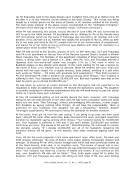
Additional Authorities
American Law Institute. Restatement (Second) of Torts.
Bardin, D. “Psychological Coercion and Human Rights” (pamphlet) (Washington, DC: AFF
and CAN 1994).
Colloquy between Mr. Saxton and Mr. Porter during House of Representatives consideration
of the 1995 Labor, HHS and Education Appropriations Bill. 141 Congressional Record,
“Daily Edition,” August 2, 1995, p. H8248. (The House of Representatives passed the
bill on August 3, 1995).
Joint Statement of AFF President Rosedale and CAN President Rehling at Oversight Hearings
on Federal Law Enforcement Actions Related to the Branch Davidian Compound in
Waco, Texas, July 19, 1995, before Subcommittee on Crime of the Committee on the
Judiciary and Subcommittee on National Security, International Affairs, and Criminal
Justice of the Committee on Government Reform &Oversight, U. S. House of
Representatives.
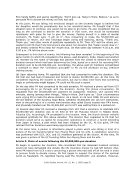
New organizations operating under the protection afforded to religious bodies: Resolution of
the European Parliament. Reprinted 2(2) Cultic Studies Journal 275-277 (1985).
Sects or new religious movements: A pastoral challenge. Vatican Report on Cults, reprinted
3(1) Cultic Studies Journal 93-116 (1986).
State of Israel report of the interministerial committee set up to examine cults (Anew
groups”) in Israel. Reprinted 6(1) Cultic Studies Journal 32-68 (1989).
The Council of Europe‟s report on sects and new religious movements. Reprinted 9(1) Cultic
Studies Journal 89-119 (1992).
˜˜˜
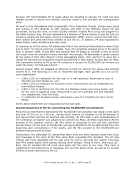
Appendix
Expert Testimony: Daubert and the Changing Standards
for Admission of Psychiatric, Psychological, and Other Evidence
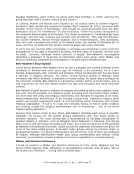
A key element in many fraud and undue influence cases involving cults is evidence of the
mental relationship between the parties. To the degree that the individuals charged can be
shown to have mentally controlled or manipulated the alleged injured party, the greater the
likelihood that the plaintiff‟s suit will succeed. Issues which evaluate why a person acted are
difficult, if not impossible, to answer in some instances. In addition to available extrinsic
evidence, psychiatric or psychological testimony from experts on the mental state of the
individuals involved can be helpful in these cases, if not essential.
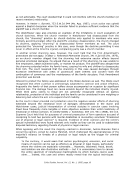
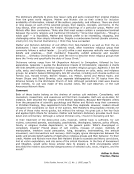
In Molko v. Holy Spirit Assn., 762 P.2d 46 (Cal. 1988), discussed earlier, the admissibility of
testimony from a psychologist and a psychiatrist, both experts on cult use of persuasive
coercion, was a central factor in the case. The trial court and the court of appeals ruled
inadmissible testimony from the experts that the Unification Church used sophisticated
indoctrination techniques which rendered the two ex-member plaintiffs incapable of
Chapters in Texts
Ofshe, R. “Coercive persuasion and attitude change,” in E.F. Borgatta &M.L. Borgatta
(Eds.), Encyclopedia of sociology (New York: Macmillan 1992).
Singer, M. “Group psychodynamics,” in Merck Manual of Diagnosis and Treatment, 15th ed.,
Psychiatry Section (Rahway, NJ: Merck, Sharp and Dohme 1986).
Singer, M., &Addis, M. “Cults, coercion, and contumely,” in A. Kales, C.M. Pierce, &M.
Greenblatt (Eds.), The mosaic of contemporary psychiatry in perspective (New York:
Springer-Verlag 1992).
West, L.J., &Singer, M.T. “Cults, quacks and nonprofessional psychotherapies,” in H.I.
Kaplan, A.M. Freedman, &B.J. Sadock (Eds.), Comprehensive textbook of psychiatry,
III (Baltimore: Williams &Wilkens 1980).
Additional Authorities
American Law Institute. Restatement (Second) of Torts.
Bardin, D. “Psychological Coercion and Human Rights” (pamphlet) (Washington, DC: AFF
and CAN 1994).
Colloquy between Mr. Saxton and Mr. Porter during House of Representatives consideration
of the 1995 Labor, HHS and Education Appropriations Bill. 141 Congressional Record,
“Daily Edition,” August 2, 1995, p. H8248. (The House of Representatives passed the
bill on August 3, 1995).
Joint Statement of AFF President Rosedale and CAN President Rehling at Oversight Hearings
on Federal Law Enforcement Actions Related to the Branch Davidian Compound in
Waco, Texas, July 19, 1995, before Subcommittee on Crime of the Committee on the
Judiciary and Subcommittee on National Security, International Affairs, and Criminal
Justice of the Committee on Government Reform &Oversight, U. S. House of
Representatives.
New organizations operating under the protection afforded to religious bodies: Resolution of
the European Parliament. Reprinted 2(2) Cultic Studies Journal 275-277 (1985).
Sects or new religious movements: A pastoral challenge. Vatican Report on Cults, reprinted
3(1) Cultic Studies Journal 93-116 (1986).
State of Israel report of the interministerial committee set up to examine cults (Anew
groups”) in Israel. Reprinted 6(1) Cultic Studies Journal 32-68 (1989).
The Council of Europe‟s report on sects and new religious movements. Reprinted 9(1) Cultic
Studies Journal 89-119 (1992).
˜˜˜
Appendix
Expert Testimony: Daubert and the Changing Standards
for Admission of Psychiatric, Psychological, and Other Evidence
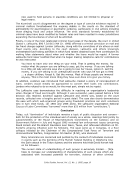
A key element in many fraud and undue influence cases involving cults is evidence of the
mental relationship between the parties. To the degree that the individuals charged can be
shown to have mentally controlled or manipulated the alleged injured party, the greater the
likelihood that the plaintiff‟s suit will succeed. Issues which evaluate why a person acted are
difficult, if not impossible, to answer in some instances. In addition to available extrinsic
evidence, psychiatric or psychological testimony from experts on the mental state of the
individuals involved can be helpful in these cases, if not essential.
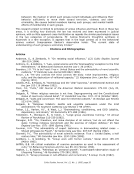
In Molko v. Holy Spirit Assn., 762 P.2d 46 (Cal. 1988), discussed earlier, the admissibility of
testimony from a psychologist and a psychiatrist, both experts on cult use of persuasive
coercion, was a central factor in the case. The trial court and the court of appeals ruled
inadmissible testimony from the experts that the Unification Church used sophisticated
indoctrination techniques which rendered the two ex-member plaintiffs incapable of