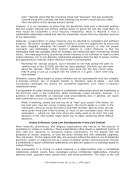
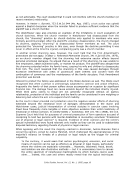
Cultic Studies Journal, Vol. 12, No. 1, 1995, page 42
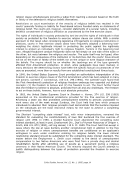
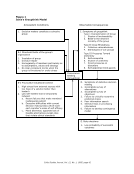
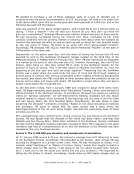
Figure 1
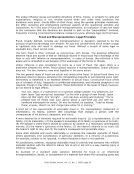
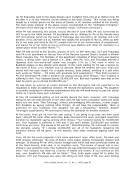
Janis’s Groupthink Model
Antecedent Conditions Observable Consequences
C. Symptoms of groupthink
Type 1 Overestimation of Group
1. Illusion of invulnerability
2. Belief in the inherent
morality of the group
Type II Close-Mindedness
3. Collective rationalizations
4. Stereotypes of out-groups
Type III Pressures Toward
Uniformity
5. Self-censorship
6. Illusion of unanimity
7. Direct pressures on
dissenters
8. Self-appointed mind guards
1. Decision makers constitute a cohesive
group
B-1 Structural faults of the group‟s
organization
1. Insulation of group
2. Directive leader
3. Homogeneity of members particularly as
to assumptions, values and ideology
4. No clear procedural norms when the
group is threatened or under stress
Concurrence
Seeking
(Groupthink)
B-2 Provocative situational context
1. High stress from external sources with
low hope of a solution better than
leader‟s
2. Low self-esteem that is temporarily
induced:
a. Recent failures that make members‟
inadequacies salient
b. Excessive difficulties with current
decision making tasks which lower
each member‟s sense of self-efficacy
c. Moral dilemmas: apparent lack of
feasible alternatives except ones
that violate ethical standards
D. Symptoms of defective decision
making
1. Incomplete survey of
alternatives
2. Incomplete survey of
objectives
3. Failure to critically reexamine
preferred choice
4. Poor information search
5. Selective bias in processing
information
6. Failure to develop contingency
model
E. Risky decisions
1. Low probability of successful
outcomes
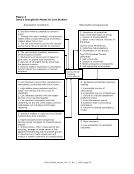
Figure 1
Janis’s Groupthink Model
Antecedent Conditions Observable Consequences
C. Symptoms of groupthink
Type 1 Overestimation of Group
1. Illusion of invulnerability
2. Belief in the inherent
morality of the group
Type II Close-Mindedness
3. Collective rationalizations
4. Stereotypes of out-groups
Type III Pressures Toward
Uniformity
5. Self-censorship
6. Illusion of unanimity
7. Direct pressures on
dissenters
8. Self-appointed mind guards
1. Decision makers constitute a cohesive
group
B-1 Structural faults of the group‟s
organization
1. Insulation of group
2. Directive leader
3. Homogeneity of members particularly as
to assumptions, values and ideology
4. No clear procedural norms when the
group is threatened or under stress
Concurrence
Seeking
(Groupthink)
B-2 Provocative situational context
1. High stress from external sources with
low hope of a solution better than
leader‟s
2. Low self-esteem that is temporarily
induced:
a. Recent failures that make members‟
inadequacies salient
b. Excessive difficulties with current
decision making tasks which lower
each member‟s sense of self-efficacy
c. Moral dilemmas: apparent lack of
feasible alternatives except ones
that violate ethical standards
D. Symptoms of defective decision
making
1. Incomplete survey of
alternatives
2. Incomplete survey of
objectives
3. Failure to critically reexamine
preferred choice
4. Poor information search
5. Selective bias in processing
information
6. Failure to develop contingency
model
E. Risky decisions
1. Low probability of successful
outcomes